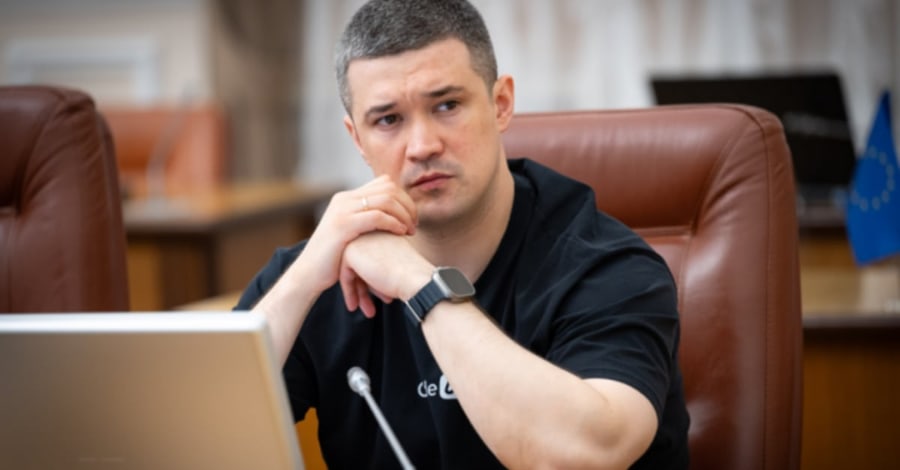
The public dialogue between Digital Transformation Minister Mykhailo Fedorov and SpaceX founder Elon Musk regarding the operation of satellite communication for the Armed Forces of Ukraine took an unexpected turn. Initially, Fedorov reported on the partial restoration of access, but Musk's reaction forced a re-evaluation of who exactly makes key decisions in this area.
Statement on restoration and gratitude
On the social network X, Fedorov published information that the Starlink service had begun restoring operation at speeds up to 160 km/h. In his post, he emphasised that it is critically important to fully lift the speed restrictions on the Starshield system to ensure the state's defence capability. He then addressed Musk with thanks for his support.
Such a publication could have created the impression among the audience that the owner of SpaceX directly influenced the decision or that the changes were a result of their communication.
Clarification from Elon Musk
Musk promptly responded to the Ukrainian minister's post, clarifying the details of system management. He stressed that Starshield is military infrastructure owned and controlled by the government of the United States. According to the businessman, any restrictions on speed or usage parameters are set by the US military, and the final word remains with the President of the United States.
Difference between Starlink and Starshield
Separately, Musk drew a clear line between the two products. Starlink remains a commercial development by SpaceX, intended for civilian or defence use. In contrast, Starshield was created exclusively for government and military tasks and operates under a different control model.
This response effectively shifted the focus from Musk's personal role to decisions by the US state authorities. For Fedorov, this situation proved disadvantageous: his public thanks, which was meant to demonstrate successful communication, was instantly devalued by Musk's statement that key decisions regarding Starshield are outside his competence.
Context of the problem
This episode occurred against the backdrop of technical difficulties with satellite communication for Ukrainian drones. According to Western media, sudden speed restrictions could have hindered the operation of strike and interceptor drones, which rely on a satellite channel while in motion. Following this, the Ukrainian side began publicly demanding the full lifting of such restrictions, arguing that this directly affects defence capability.
Musk's statement added a political dimension to the situation: if his explanation is accurate, then Ukraine's access to Starshield is primarily a matter for Washington, not a subject of private agreements with SpaceX leadership.
Recall that on 6 October and during the night of 7 October, the Defence Forces of Ukraine struck a number of Russian military facilities, including the "Sescha" airfield, electronic warfare and radar stations, UAV control points, and warehouses.



Comments
No comments yet. Be the first!