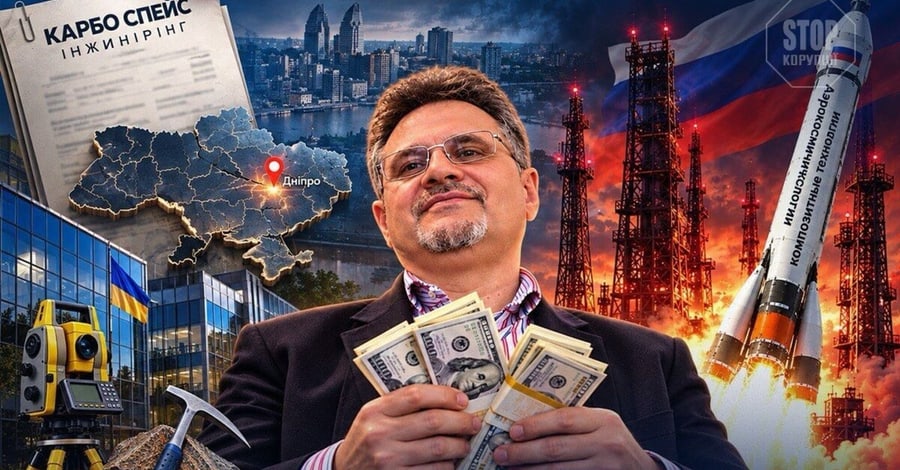
German businessman with Russian space background opens company in Dnipro
A firm registered in Dnipro with a code for aircraft manufacturing is managed by a former Pivdenmash designer and owned by a German linked to a Russian joint venture.
A firm registered in Dnipro with a code for aircraft manufacturing is managed by a former Pivdenmash designer and owned by a German linked to a Russian joint venture.

In the capital, additional buses have been launched to ensure passenger transport to Lisova station due to damage to the tracks and platform at Chernihivska metro station.

The Agency for the Recovery and Management of Assets has announced the auction of 819 Apple electronic devices seized within the jurisdiction of the Lviv Customs.
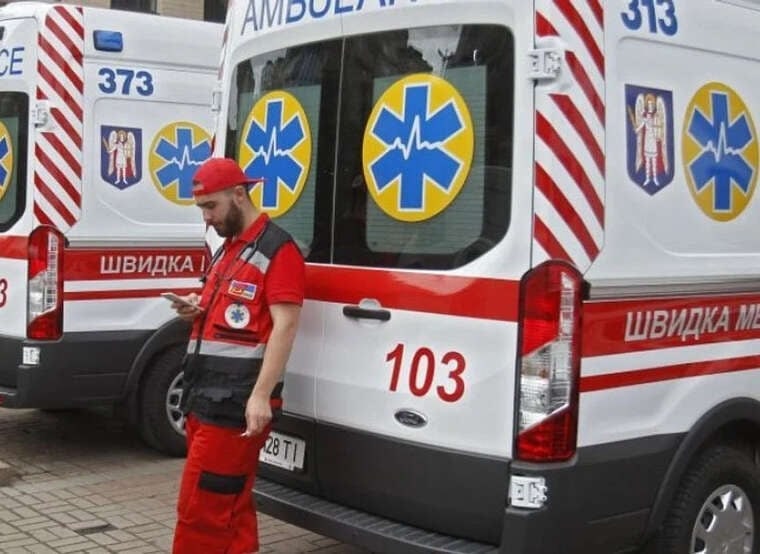
Kyiv Oblast local authorities updated data on attack aftermath: 84 objects damaged in Irpin.

From 1 November 2026, the procedure for taking the German language integration exam in Germany will change. A successful result will now require demonstrating a sufficient level of knowledge in each component.

Courts ruled the authorities made an error in renting the premises, but the State Audit Service, State Tax Service, NABU and NAKA have not initiated any checks or investigations.
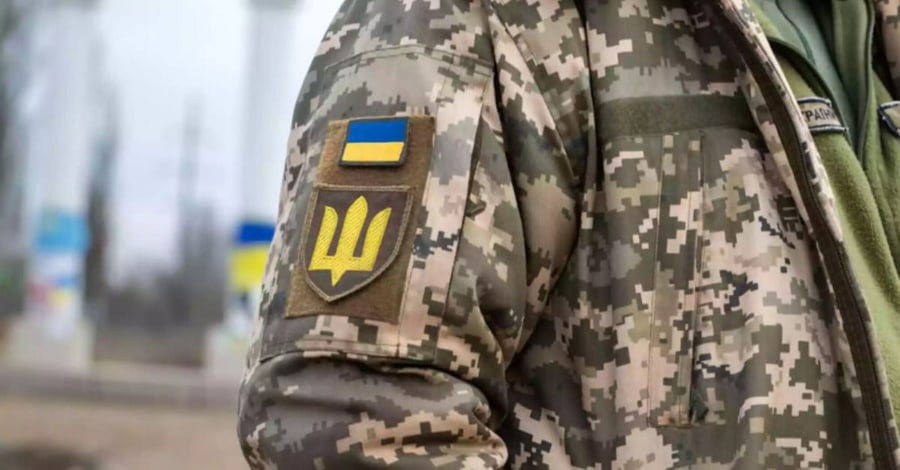
In Zhytomyr, it was explained that the order of military discharge will depend exclusively on a future presidential decree. Currently, there is no universal rule in Ukraine regarding the number of years of service that guarantees an automatic return home.

The SBU notified a local branch director of a foreign company and a laboratory head of suspicion, who laundered nearly 8,000 tonnes of wheat stolen by occupiers.
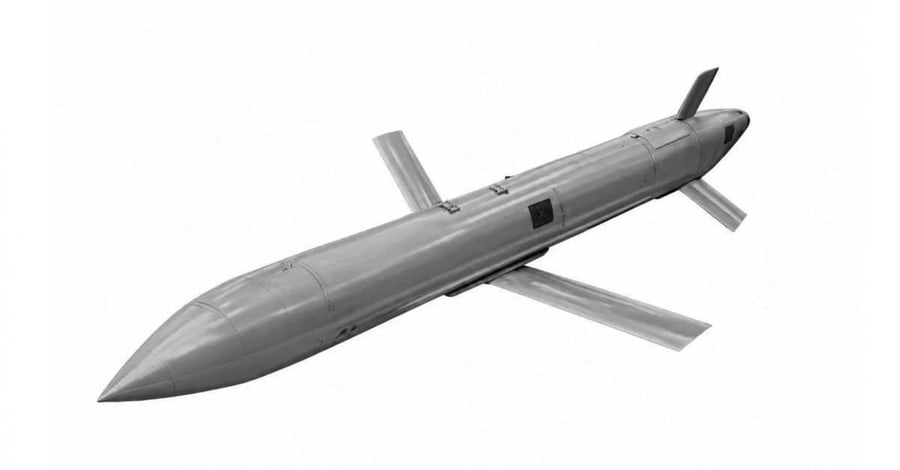
On the night of 14 October, when Russia launched the first wave of ballistic missile strikes, Ukraine did not receive warnings from international partners. However, according to Yuriy Ignat, spokesperson for the Air Force of the Armed Forces of Ukraine, information on the subsequent three waves of attacks was already being received.
The Air Force representative clarified that the statement indicating a lack of information from partners was published around 22:40. Meanwhile, during the subsequent waves of attacks, warnings about the use of Russian ballistic missiles were already reaching Ukrainian military units.
Ukrainian specialists, together with international partners, are investigating why the first missile strike occurred without a warning. Yuriy Ignat noted that similar situations had arisen before.
At the same time, he emphasised that Ukraine has its own radar surveillance systems. These systems allow for the tracking of airspace and the detection of hostile targets. The particularity of ballistic missiles lies in their high flight speed, so the timely receipt of information about launches is of great importance for warning the population about the danger.
The issue of intelligence information exchange has attracted particular attention following several Russian ballistic attacks during which Ukraine did not receive advance warnings. Previously, President Volodymyr Zelensky had stated that there were no notifications from partners regarding certain launches of Russian missiles.
Foreign Minister Andriy Sybiha assured that Ukraine continues to receive intelligence information from the United States. Thus, the Air Force does not claim that the transfer of data has completely ceased. It concerns the absence of warnings during specific waves of Russian attacks, the circumstances of which are still being established.
Comments
No comments yet. Be the first!