
Bundestag MP Max Krach claims US supports Russia
Politician from the Alternative for Germany believes Washington's mass purchases of Russian diesel indicate the end of US neutrality.
Politician from the Alternative for Germany believes Washington's mass purchases of Russian diesel indicate the end of US neutrality.

Clashes broke out near government buildings in Albania, leading to a suspension of the parliamentary session.

Massive power outages and water supply issues recorded in Volyn. Cause — enemy UAV hit to infrastructure.

Parts of the capital and adjacent areas were left without electricity on the evening of 15 October due to damage to critical infrastructure.
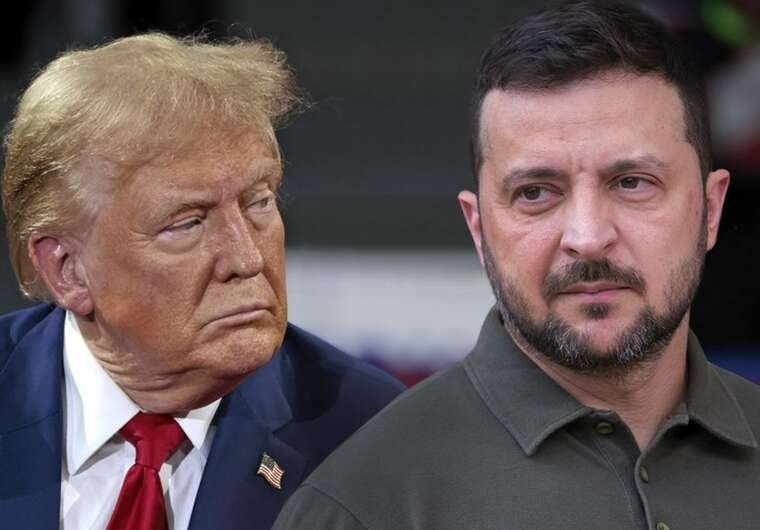
Presidential adviser Dmytro Lytvyn and an anonymous source in the Ukrainian leader's circle responded to the American publication, stating that Kyiv does not intend to capitulate.

Students at a Warsaw school in the Praga-Południe district received threats to kill their teacher and plans to buy weapons from a classmate.

Poland's Ministry of Interior proposed raising financial requirements for foreigners, as current thresholds no longer reflect modern prices.
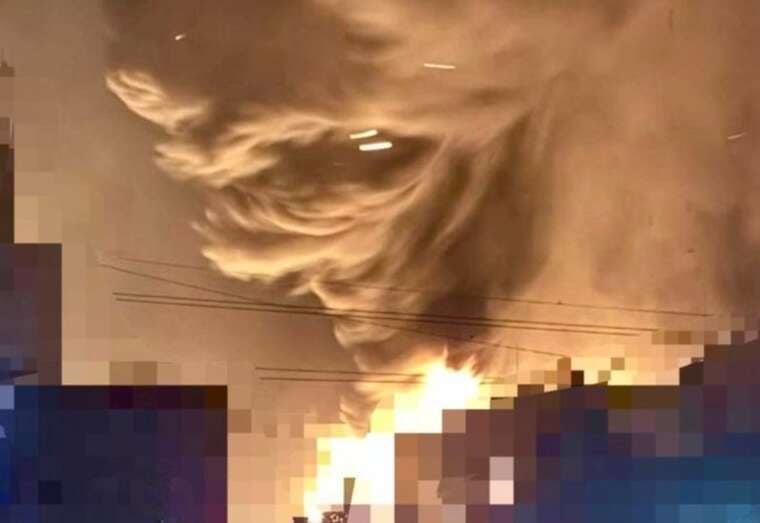
A private enterprise in Zaporizhzhia was damaged and a fire broke out following an enemy attack on the evening of 15 October. Preliminary data indicates there are no injured.
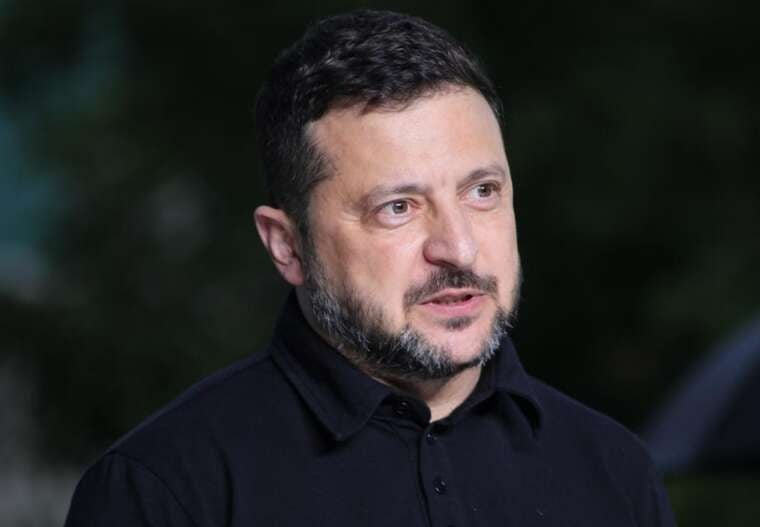
Donald Trump's recent moves within the framework of the so-called "diesel deal" with Vladimir Putin have had a heavy impact in Kyiv. As journalist Simon Schuster writes in a piece for The Atlantic, these steps have destroyed what the Ukrainian authorities considered their "best hope for victory".
Several members of President Volodymyr Zelensky's team have expressed concern about the consequences of these agreements. One official involved in developing military plans explained:
«Якщо США стануть на бік Росії, у Києва не залишиться іншого виходу, крім як відмовитися від ескалації та укласти мир» (If the US sides with Russia, Kyiv will have no choice but to abandon escalation and make peace).
The article discusses an operation codenamed M&Ms, which involved strikes on Russian airports. Western media had written about this plan as early as August. Following these publications, on 1 September, Volodymyr Zelensky stated that "the sky over the Russian Federation is closing" and called on foreign airlines to stop flights to Russia. However, according to Schuster, almost no one responded to this call.
A participant in the operation explained that at that time, the military lacked a large fleet of specialised drones necessary for the prolonged blockade of Moscow's airports.
«Ми не довели справу до кінця», — зізнався український чиновник журналісту. (We did not see the job through to the end, a Ukrainian official admitted to the journalist).
Ukrainian weapons manufacturers continue to develop a fleet of drones that use map-matching technology with artificial intelligence to identify targets and make strike decisions, a second source familiar with the details of the plan reported.
According to him, Ukraine used this type of device for the first time in mid-September, when several drones hit targets in the Donbas. They have not yet been used on a large scale against Russian airports.
Instead, Ukrainian forces achieved a similar effect through other means. The mere presence of drones in the sky over Moscow was enough for Russian authorities to cancel flights or close runways until the threat was eliminated. One of Zelensky's advisers called this a "side effect" of regular strikes on targets in Russia.
Two "architects" of the campaign against airports stated that it is only just beginning. Currently, Ukraine is using long-range drones to block the airspace around airports without direct strikes. This weekend, debris from a shot-down Ukrainian drone reportedly fell on an airport in Sochi, causing a fire in an administrative building.
However, according to Schuster, Volodymyr Zelensky has not yet given the military permission to transition to the initial version of Operation "M&M", which involves a more aggressive tactic. The plan's authors explain that the more ambitious scenario includes the use of AI-powered drones capable of breaking through Russian air defence and striking Moscow's airports and those in other cities directly. One of the developers reported that such devices will soon go into mass production.
The journalist emphasises that several members of Zelensky's team have admitted that Donald Trump's recent moves within the framework of the "diesel deal" with Vladimir Putin have destroyed their main hope for victory.
An official who was involved in developing the plan to attack Moscow's airports added:
«Тепер стало зрозуміло, що Росія не впаде через економічні проблеми. Це означає, що нам потрібно змінювати стратегію. Принаймні найближчим часом Росія не впаде» (It has now become clear that Russia will not fall due to economic problems. This means we need to change our strategy. At least in the near future, Russia will not fall).
As the author notes, Ukraine still has many ways to make life difficult for Russia, but it will likely require more effort to force Vladimir Putin to agree to a ceasefire.
Comments
No comments yet. Be the first!