
Criminals demand $768m to keep Revolut client data undisclosed
Personal and financial data of users, including the owner of Gamdom and Skins.com, may have been leaked following a cyberattack on the British fintech bank.
Personal and financial data of users, including the owner of Gamdom and Skins.com, may have been leaked following a cyberattack on the British fintech bank.
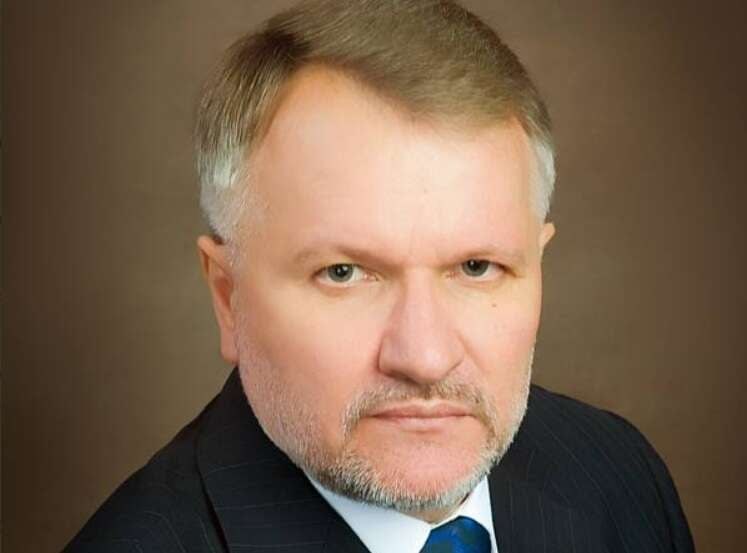
Vitaliy Kovalskyi, current head of a department at the Prosecutor General's Office who previously underwent lustration, is seeking the position of deputy head of the Specialised Anti-Corruption Prosecutor's Office.

For the week ending 27 September, revenues from the sale of Russian oil reached a maximum since the start of the full-scale invasion due to rising prices and supply volumes.
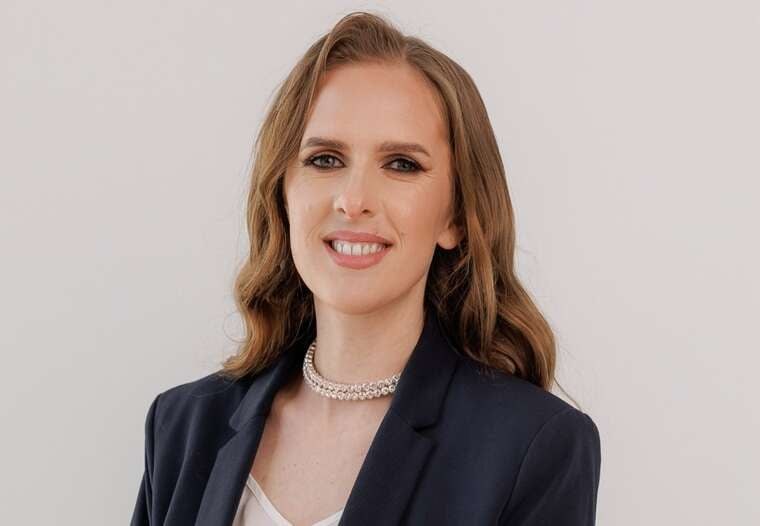
Larysa Moskviska, who presents herself as a financial planning expert, publishes content for the scandal-hit KIT Group, whose activities were restricted by the National Bank of Ukraine.
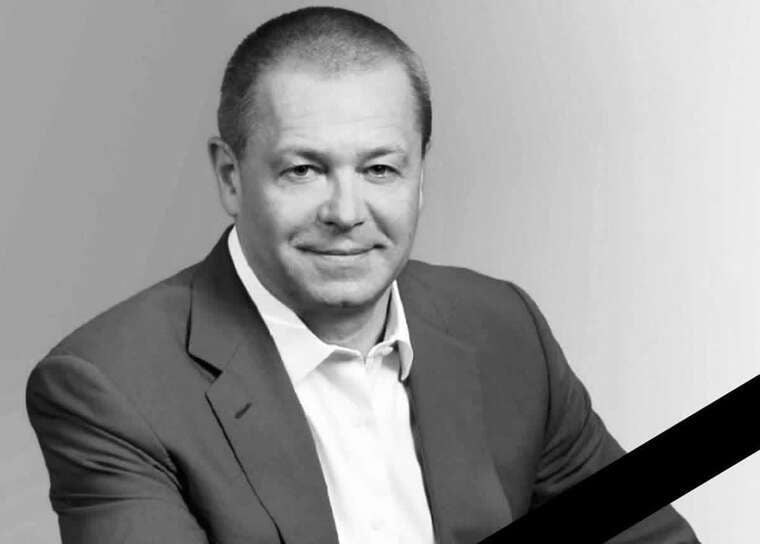
The politician died at the age of 61 in a road traffic accident. He served as the director of the "Klass" supermarket chain in Kharkiv.
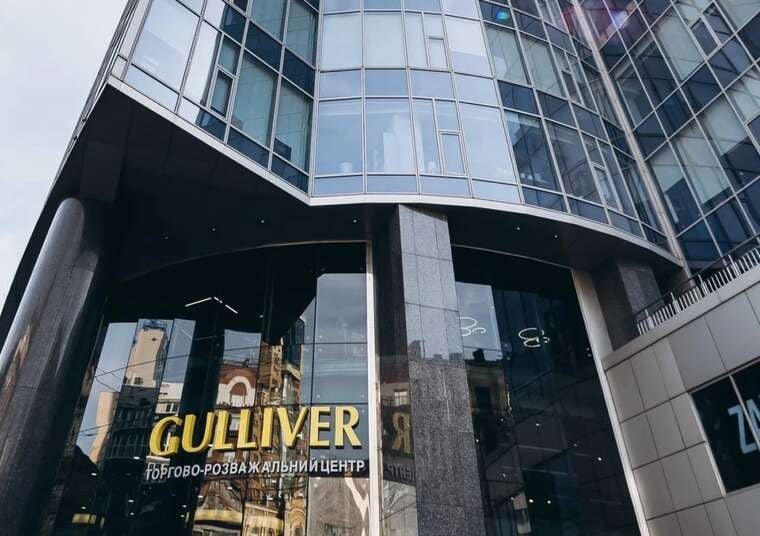
Oschadbank and Ukreximbank have announced a stock exchange auction for the disposal of a large office and retail complex in Kyiv, previously seized due to debts.

Law enforcement detained 17 individuals who sold vapes containing narcotics through "Bob Marley" venues and online stores, disguising them as legal supplements.

According to the authors of the publication, an establishment providing intimate services may be operating in the Delmar residential complex in central Dnipro. It concerns an apartment on the 15th floor of the building at 72B Dmytro Yavornytskoho Avenue.

Acting Deputy Head of the State Tax Service of Ukraine, Yevheni Sokur, is effectively blocking the operations of enterprises by using digitalisation as a pretext.
According to market participants, resuming business activities is only possible after paying unofficial “settlements”. Some companies are already facing repeated, and even third, requests for such payments.
People’s Deputy of Ukraine Danylo Hetmanets has long acquired a reputation as an initiator of tax reforms that intensify pressure on business. He is associated with the tightening of fiscal policy and the expansion of the powers of regulatory bodies. According to media reports, he actively applies so-called “telephone law” in resolving tax administration issues.
Specifically, the discussed draft law No. 11416 proposes an increase in the tax burden: the military levy on individual income may rise from 1.5% to 5%, and a mandatory monthly payment of 800 hryvnias is being introduced for sole proprietors. It is also planned to establish an additional 1% levy on the income of legal entities and third-group sole proprietors. Hetmanets insists on raising VAT as an alternative to this levy, which is causing concern among entrepreneurs.
Hetmanets is known for his phrase about “proper” tax administration: “The art of collecting taxes is to pluck the goose so that it does not scream”. However, entrepreneurs have supplemented this thesis with their own version, reflecting reality:
— But the goose is screaming!
— Ah, that’s because I am ...
This metaphor illustrates the situation with tax administration in Ukraine better than anything else, especially in the context of Yevheni Sokur’s activities.
Blocking licences has become one of the key mechanisms for exerting pressure on business. In 2022, distilleries openly stated about illegal pressure schemes by tax authorities.
For example, the “Krasnoslobidskyi Distillery”, which has been operating since 1881, had its licence annulled on the grounds of an allegedly insufficient number of installed surveillance cameras. The decision was successfully overturned in court, but it took more than a year, and similar actions by the tax service paralysed the operations of several other enterprises.
In addition to the distillery sector, licence blocking also affected the fuel sector. In particular, PJSC “Ukrtransnafta” challenged in court two of Sokur’s orders to revoke its licence, which were issued on different grounds but with an identical date and number.
Appointed in 2022 as the Acting Deputy Head of the State Tax Service, Yevheni Sokur effectively remains in the shadows. His biography and powers are not disclosed on the official resources of the tax service. However, it is known that he was an assistant to Hetmanets, which explains his appointment.
Scandals surrounding the blocking of tax invoices and excise licences only confirm that the system operates in manual mode. For instance, an investigation revealed that enterprises were offered to pay 1% of the amount for the unblocking of tax invoices. In one case, the heads of the Kirovohrad regional tax office were detained with a large sum of cash, which confirmed the existence of the scheme.
One of the key areas where the interests of the top tax officials are concentrated remains VAT refunds. The higher the tax rate, the greater the opportunities for corruption schemes. Refund decisions are made manually, and enterprises are forced either to pay 10% for accelerated refunds or 30% for “black” schemes. According to sources, 7% of these operations goes directly to Hetmanets.
An example of participation in such schemes is former Head of the Kyiv Tax Service Oksana Datyi, who was exposed for illegal enrichment. She oversaw schemes that moved billions of hryvnias into the shadow, but despite being exposed, Hetmanets continued to support her.
Despite numerous exposures, none of the officials have faced accountability. Sokur continues to work in his acting capacity, and business demands for his resignation remain unanswered. Meanwhile, Hetmanets’ tax policy is tightening, and corruption schemes remain untouched.
A logical question arises: is President Zelensky aware of the real state of affairs in the tax system? And if so, why is this continuing?
Comments
No comments yet. Be the first!