
Criminals demand $768m to keep Revolut client data undisclosed
Personal and financial data of users, including the owner of Gamdom and Skins.com, may have been leaked following a cyberattack on the British fintech bank.
Personal and financial data of users, including the owner of Gamdom and Skins.com, may have been leaked following a cyberattack on the British fintech bank.
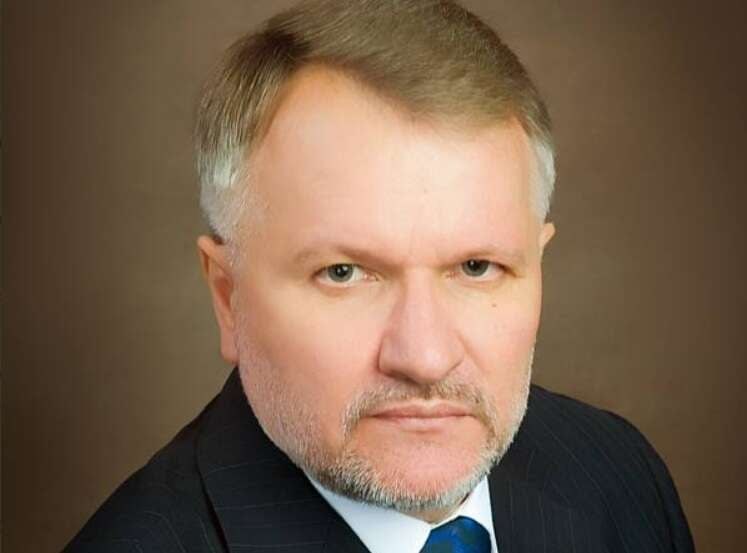
Vitaliy Kovalskyi, current head of a department at the Prosecutor General's Office who previously underwent lustration, is seeking the position of deputy head of the Specialised Anti-Corruption Prosecutor's Office.
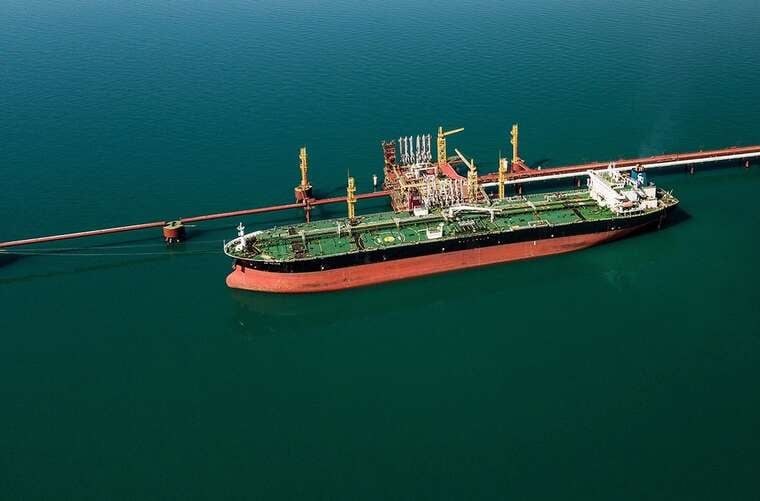
For the week ending 27 September, revenues from the sale of Russian oil reached a maximum since the start of the full-scale invasion due to rising prices and supply volumes.

Larysa Moskviska, who presents herself as a financial planning expert, publishes content for the scandal-hit KIT Group, whose activities were restricted by the National Bank of Ukraine.
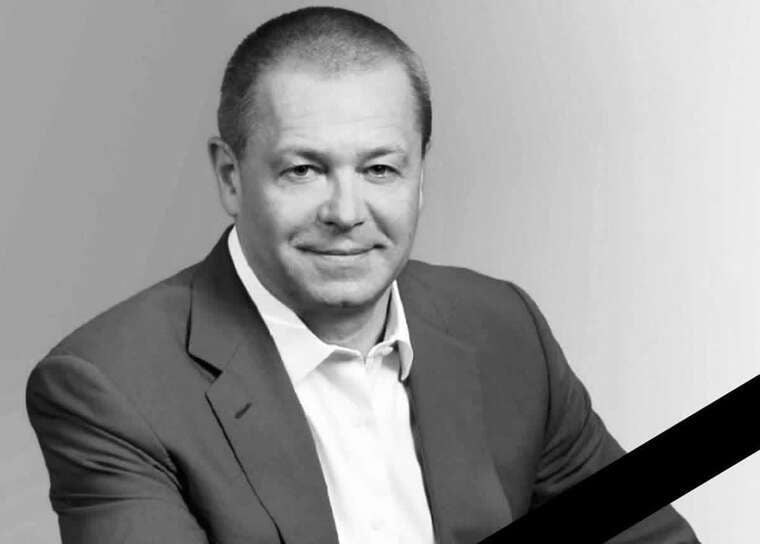
The politician died at the age of 61 in a road traffic accident. He served as the director of the "Klass" supermarket chain in Kharkiv.
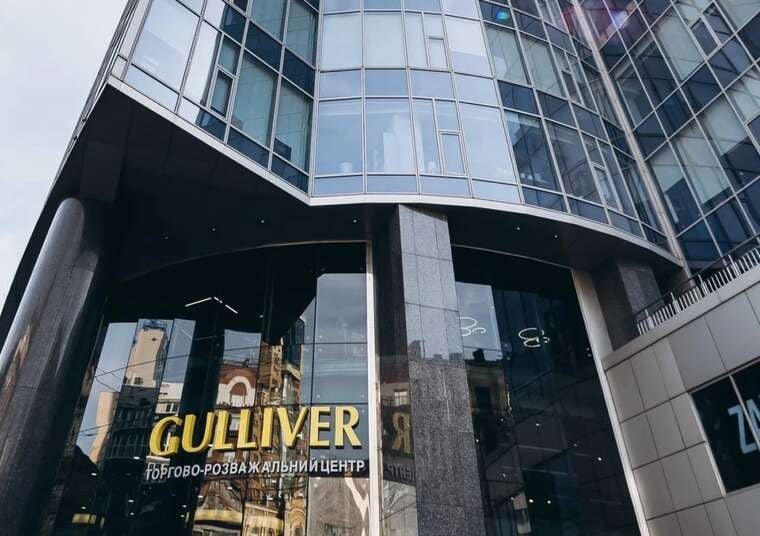
Oschadbank and Ukreximbank have announced a stock exchange auction for the disposal of a large office and retail complex in Kyiv, previously seized due to debts.

Law enforcement detained 17 individuals who sold vapes containing narcotics through "Bob Marley" venues and online stores, disguising them as legal supplements.

According to the authors of the publication, an establishment providing intimate services may be operating in the Delmar residential complex in central Dnipro. It concerns an apartment on the 15th floor of the building at 72B Dmytro Yavornytskoho Avenue.

Recent attempts to form a new composition of the Public Council at the Ministry of Defence have sparked public resonance. During the open online voting process, particular attention was drawn to the applications from Aleksandr Lemenov and Gleb Kanevsky, founders of the analytical centre StateWatch. Both activists had previously found themselves at the centre of scandals involving corruption and evasion of military service.
Aleksandr Lemenov, one of the candidates for a seat on the council, has repeatedly been accused of evading mobilisation. According to sources, he attempted to avoid receiving a summons by hiding in neighbours' apartments or locking himself in his own. Such behaviour caused outrage in society, especially against the backdrop of his active work in the anti-corruption sphere.
His associate Gleb Kanevsky has also been observed engaging in similar actions. Initially, he avoided conscription, and then took up the position of acting director of the Ministry of Defence's Procurement Policy Department. However, this activity proved to be no less scandalous.
Kanevsky came under close scrutiny by journalists when, as part of one of the contracts for the needs of the front, he purchased army canteens at three times the market price. An investigation by journalists from «NGL Media» shed light on the fraud, revealing serious violations in the Department's operations.
The appearance of such figures in the composition of the Public Council at the Ministry of Defence causes concern. This body should serve as a guarantor of transparency and public control, not become a tool for the personal interests of people with a questionable reputation.
Questions about why candidates with such a background are allowed to participate in the voting should become the subject of public discussion and scrutiny. Resolving such situations is a guarantee of citizens' trust in state institutions.
Comments
No comments yet. Be the first!