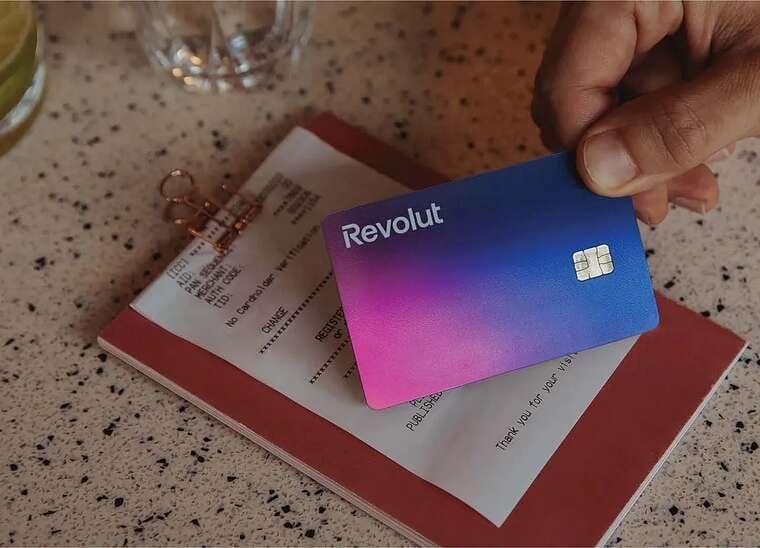
Criminals demand $768m to keep Revolut client data undisclosed
Personal and financial data of users, including the owner of Gamdom and Skins.com, may have been leaked following a cyberattack on the British fintech bank.
Personal and financial data of users, including the owner of Gamdom and Skins.com, may have been leaked following a cyberattack on the British fintech bank.
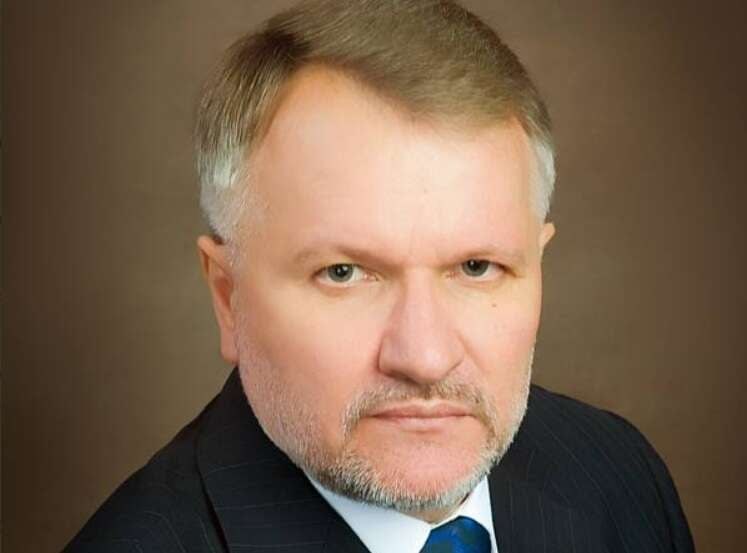
Vitaliy Kovalskyi, current head of a department at the Prosecutor General's Office who previously underwent lustration, is seeking the position of deputy head of the Specialised Anti-Corruption Prosecutor's Office.
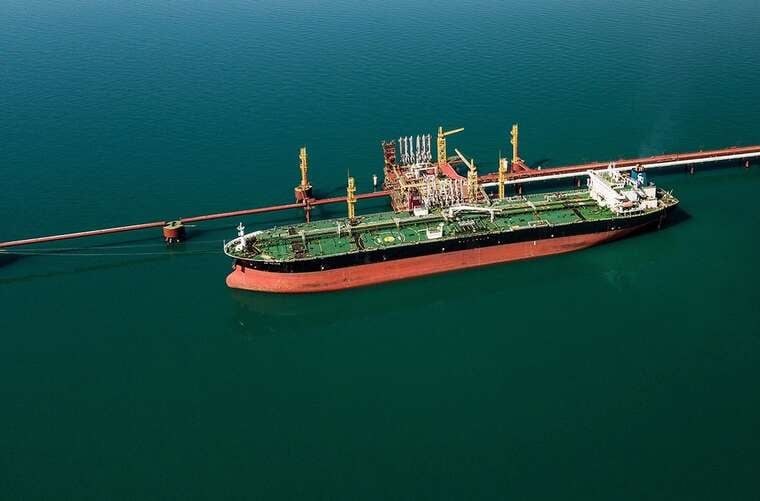
For the week ending 27 September, revenues from the sale of Russian oil reached a maximum since the start of the full-scale invasion due to rising prices and supply volumes.

Larysa Moskviska, who presents herself as a financial planning expert, publishes content for the scandal-hit KIT Group, whose activities were restricted by the National Bank of Ukraine.
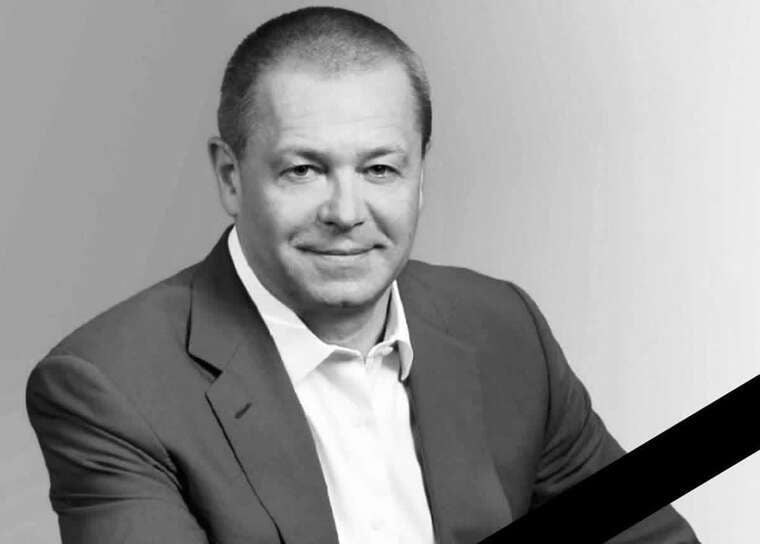
The politician died at the age of 61 in a road traffic accident. He served as the director of the "Klass" supermarket chain in Kharkiv.
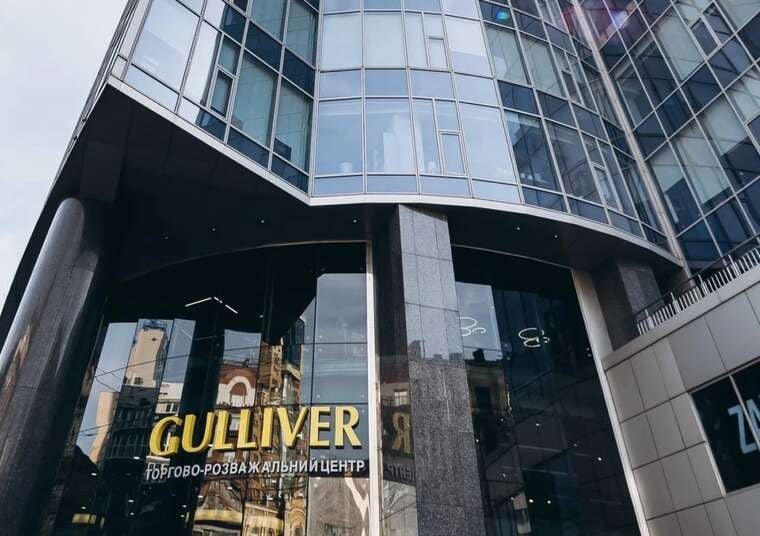
Oschadbank and Ukreximbank have announced a stock exchange auction for the disposal of a large office and retail complex in Kyiv, previously seized due to debts.
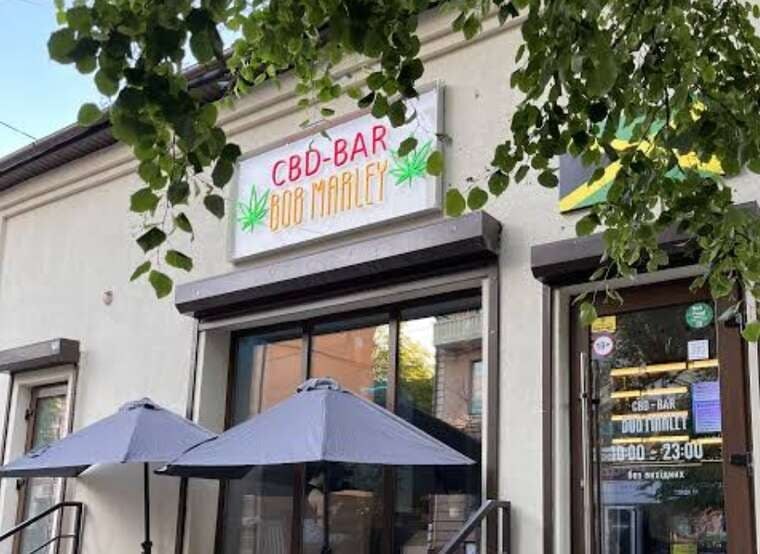
Law enforcement detained 17 individuals who sold vapes containing narcotics through "Bob Marley" venues and online stores, disguising them as legal supplements.

According to the authors of the publication, an establishment providing intimate services may be operating in the Delmar residential complex in central Dnipro. It concerns an apartment on the 15th floor of the building at 72B Dmytro Yavornytskoho Avenue.

Large-scale student protests have begun in Serbia, marking the largest demonstrations since the era of Slobodan Milošević's rule and posing a serious threat to the authority of President Aleksandar Vučić.
On 24 January, the country witnessed a general strike; on 26 January, a protest involving pots and pans took place in Belgrade; and on 27 January, a blockade of a key transport junction – Autokomanda – began.
The primary trigger for the protests was the collapse of a concrete canopy at the railway station in Novi Sad in late 2024, which claimed the lives of 15 people. The demonstrations started with student demands for a fair investigation into the tragedy. However, they were soon joined by professors, prominent figures, and a broad segment of the population, who, in addition to calling for an investigation, began demanding the resignation of the government and the Serbian Progressive Party led by Vučić.
Political analyst Aleksandar Đokić noted that these protests are non-partisan and lack a clear structure with which Vučić could negotiate. Students continue to fight because the demands they have put forward are unlikely to be met by the regime. The protests have already taken on a political character, and, as the expert suggests, participants may begin proposing the formation of a transitional government.
President Vučić, for his part, is attempting to weather the protest wave, hoping that elections will not be held before spring. However, these protests pose a serious threat to his power, and there is a real risk that they will lead to elections in which Vučić's party could lose its absolute majority in parliament.
Comments
No comments yet. Be the first!