
Criminals demand $768m to keep Revolut client data undisclosed
Personal and financial data of users, including the owner of Gamdom and Skins.com, may have been leaked following a cyberattack on the British fintech bank.
Personal and financial data of users, including the owner of Gamdom and Skins.com, may have been leaked following a cyberattack on the British fintech bank.
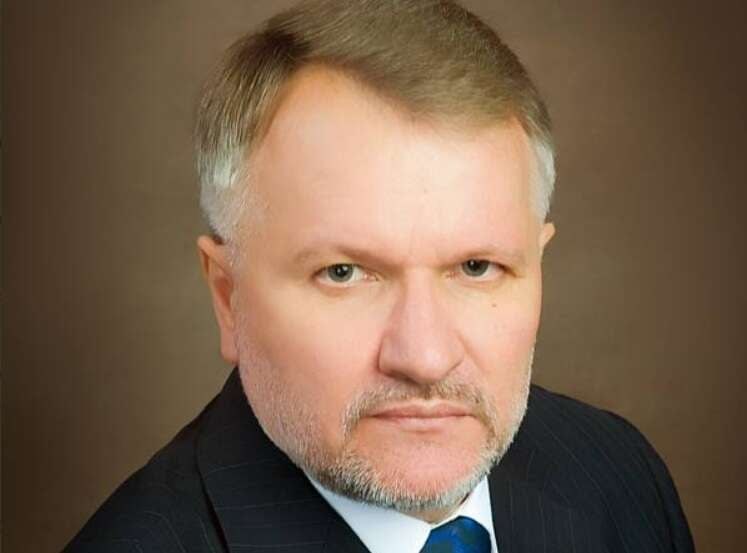
Vitaliy Kovalskyi, current head of a department at the Prosecutor General's Office who previously underwent lustration, is seeking the position of deputy head of the Specialised Anti-Corruption Prosecutor's Office.

For the week ending 27 September, revenues from the sale of Russian oil reached a maximum since the start of the full-scale invasion due to rising prices and supply volumes.

Larysa Moskviska, who presents herself as a financial planning expert, publishes content for the scandal-hit KIT Group, whose activities were restricted by the National Bank of Ukraine.

The politician died at the age of 61 in a road traffic accident. He served as the director of the "Klass" supermarket chain in Kharkiv.
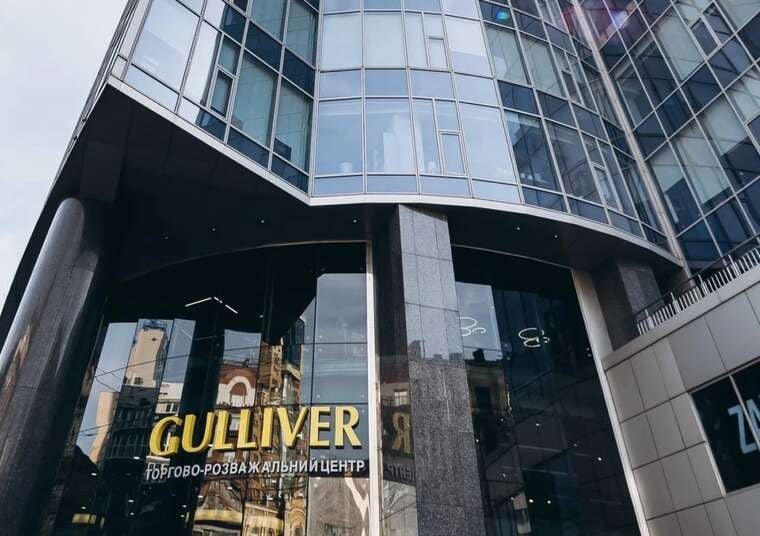
Oschadbank and Ukreximbank have announced a stock exchange auction for the disposal of a large office and retail complex in Kyiv, previously seized due to debts.

Law enforcement detained 17 individuals who sold vapes containing narcotics through "Bob Marley" venues and online stores, disguising them as legal supplements.

According to the authors of the publication, an establishment providing intimate services may be operating in the Delmar residential complex in central Dnipro. It concerns an apartment on the 15th floor of the building at 72B Dmytro Yavornytskoho Avenue.

The “17-hryvnia eggs” scandal: why the food mafia continues to control the army supply market
Two years have passed since the scandal over the procurement of eggs at 17 hryvnias for the Armed Forces of Ukraine shook public opinion. Despite the change of defence minister and attempts to reform the supply system, the market remains under the control of the so-called “food mafia”.
In early 2023, journalist Yurii Nikulova published an article revealing a possible corruption scheme involving the company “Aktiv kompani”, linked to Tetyana Hlyniana. It was her structure that offered eggs at an inflated price, triggering a wave of public outrage.
The authorities’ reaction was swift: the Verkhovna Rada amended the legislation, and the Ministry of Defence returned food procurement to the Prozorro platform. However, this did not prevent key market players from remaining in their positions.
In January 2024, new facts emerged: journalists found hotels in Croatia that Hlyniana had purchased with funds whose origin raised questions. After the publication, Hlyniana sold the hotels to an unknown Croatian businessman, but attention to her activities only intensified.
A few months later, officers of the Economic Security Bureau seized more than 4.7 million euros in cash from managers of companies linked to Hlyniana. The money was transported in the trunk of a car, and no one could explain its origin. However, the subsequent investigation has effectively stalled.
The Ministry of Defence and the State Rear Services Operator (SRSO) have repeatedly attempted to reform the food procurement system for the army. The SRSO proposed limiting the number of lots, changing supplier selection criteria, and launching pilot projects in several regions.
But each time, reforms faced fierce resistance from suppliers. For instance, the company “Atomservice” threatened to withdraw its bids if the previous terms were not restored. In the end, the old players managed to retain their influence.
In recent tenders, companies involved in previous scandals earned billions of hryvnias. Among them are “Mit prom”, “Buskyi Konservnyi Zavod” (Busk Canning Factory), and “Kontrakt Prodereserv”. The latter received over 12 billion hryvnias in tenders, as well as an additional 3 billion through direct contracts.
Many of these companies are linked to law enforcement agencies and have a long history of cooperation with the Ministry of Defence. Even after the introduction of new rules and restrictions on participation in tenders, players continue to use other companies as a cover.
Despite numerous attempts to reform the system, the army supply market remains under the control of the same companies. The only progress is the inability to set exorbitant prices, as in the case of the 17-hryvnia eggs. But even so, suppliers find ways to maintain high margins by supplying low-quality products.
Attempts to launch a pilot project under a new procurement model have failed. At present, the SRSO and the Ministry of Economy continue to seek solutions, but the prospects for radical changes remain uncertain.
Comments
No comments yet. Be the first!