
Criminals demand $768m to keep Revolut client data undisclosed
Personal and financial data of users, including the owner of Gamdom and Skins.com, may have been leaked following a cyberattack on the British fintech bank.
Personal and financial data of users, including the owner of Gamdom and Skins.com, may have been leaked following a cyberattack on the British fintech bank.
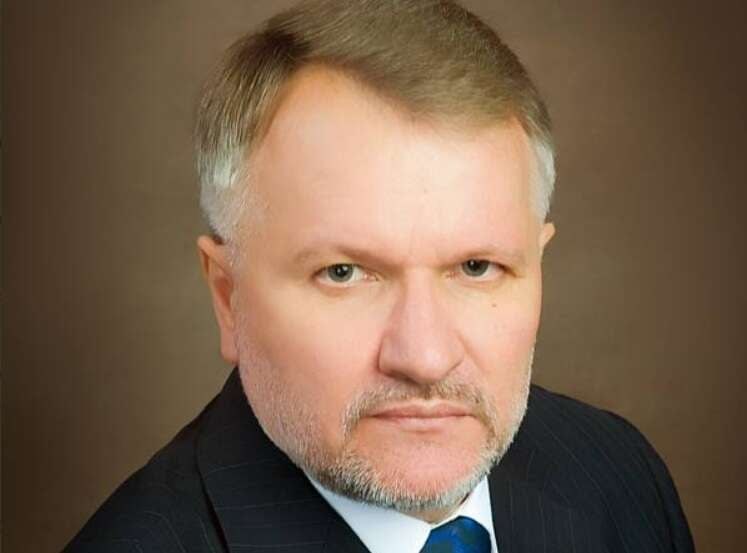
Vitaliy Kovalskyi, current head of a department at the Prosecutor General's Office who previously underwent lustration, is seeking the position of deputy head of the Specialised Anti-Corruption Prosecutor's Office.

For the week ending 27 September, revenues from the sale of Russian oil reached a maximum since the start of the full-scale invasion due to rising prices and supply volumes.
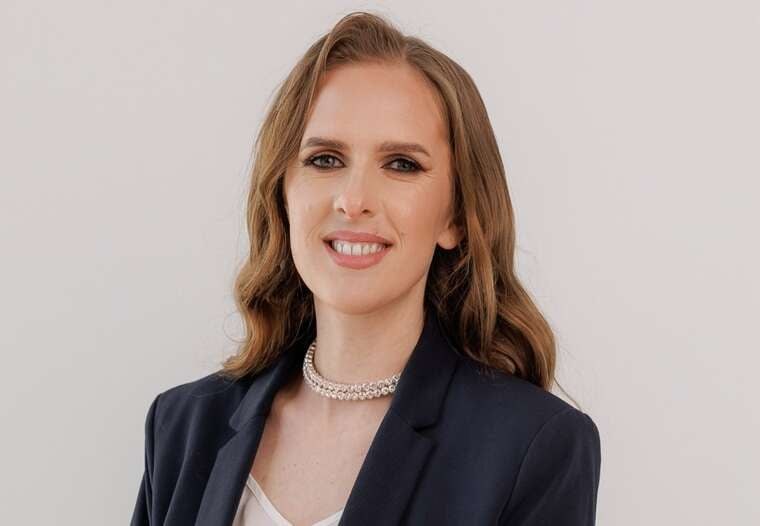
Larysa Moskviska, who presents herself as a financial planning expert, publishes content for the scandal-hit KIT Group, whose activities were restricted by the National Bank of Ukraine.
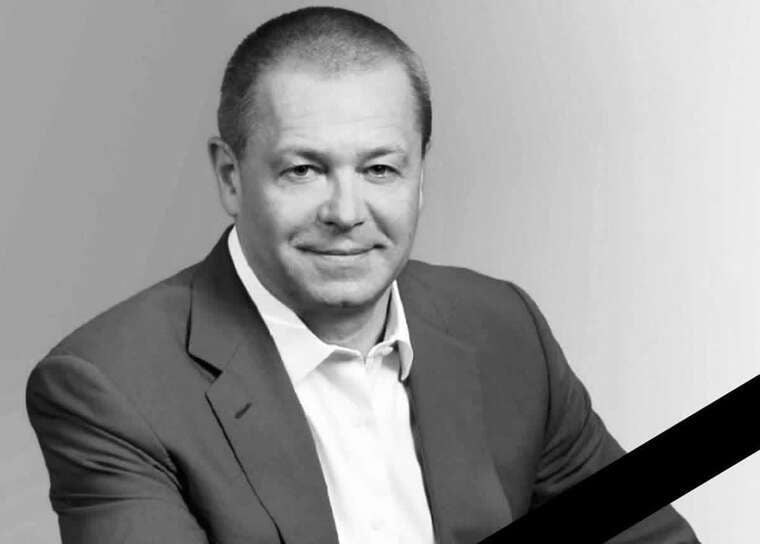
The politician died at the age of 61 in a road traffic accident. He served as the director of the "Klass" supermarket chain in Kharkiv.
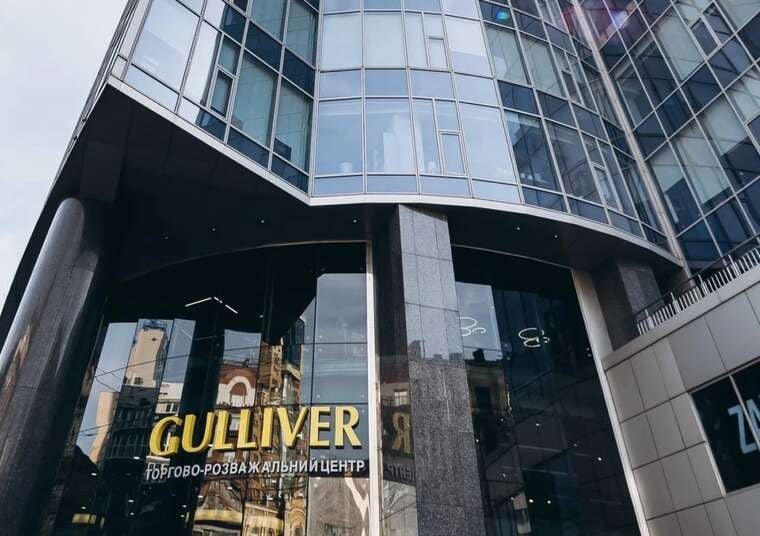
Oschadbank and Ukreximbank have announced a stock exchange auction for the disposal of a large office and retail complex in Kyiv, previously seized due to debts.

Law enforcement detained 17 individuals who sold vapes containing narcotics through "Bob Marley" venues and online stores, disguising them as legal supplements.

According to the authors of the publication, an establishment providing intimate services may be operating in the Delmar residential complex in central Dnipro. It concerns an apartment on the 15th floor of the building at 72B Dmytro Yavornytskoho Avenue.

Attention from law enforcement agencies has been drawn to suspicious schemes in the cryptocurrency market that are disguised as educational projects.
One such case involves the investigation into the activities of the Financial Freedom Academy (FFA) community, whose nominal founder is 26-year-old Alexander Orlovsky. Andrey Karpinsky writes about this topic in his article for the CRiME and “Gromkiye dela” projects.
On 13 November, the National Securities and Stock Market Commission of Ukraine (NSSMC), which operates under the leadership of the country's president, included three FFA divisions – FFA Crypto, FFA Crypto RISE, and FFA Crypto Capitalist – in the list of suspicious investment projects.
The following day, the International Organization of Securities Commissions (IOSCO) issued a warning about the risks of cooperating with these projects.
It is worth noting that inclusion in the NSSMC blacklist serves not only as a warning to potential investors but also as grounds for law enforcement action. Projects placed on this list exhibit signs of financial fraud, which is classified as a criminal offence under Article 190 of the Criminal Code of Ukraine.
FFA Crypto, FFA Crypto RISE, and FFA Crypto Capitalist possess several indicators of fraudulent activity from the list published by the NSSMC. These include:
The projects promise participants unrealistic returns – ranging from 100% to 10,000% profit.
The absence of legal entity registration, licences, a physical office, and other regulatory documents.
The lack of signed contracts between the organisers and clients. Instead, Alexander Orlovsky actively encourages participants to involve their relatives and friends.
An aggressive online marketing campaign where information is either false or difficult to verify.
One example is an advertising post in the “Batalon Monako” Telegram channel, which claimed that FFA students had nominated the academy for the “prestigious” “Choice of the Country” award, which it allegedly won. In reality, anyone willing to pay the participation fee can become a laureate of this award.
Disguising its projects as educational programmes, Orlovsky offers citizens to pay for training in investing in highly liquid crypto assets. However, in essence, this is a form of fraud known as “info-gypsyism,” where a useless information product is sold for a significant amount of money. The cost of participation in the courses ranges from several hundred to several thousand dollars, depending on their “level”.
Additionally, FFA's schemes include an element of a financial pyramid. Participants are motivated to bring in new people by offering them a percentage of their contributions. Furthermore, Alexander Orlovsky earns from partner crypto projects by attracting his students through referral links, which may also exhibit signs of fraud and links to the aggressor state.
Following the exposure of Orlovsky's schemes, the NSSMC will likely turn its attention to other similar projects. For example, the “academy” Profit Lady, whose nominal founder is Ekaterina Shukhina. Previous investigations have already linked Orlovsky and Shukhina to the same beneficial owners of their financial schemes.
Charitable activities and their use in PR
Interestingly, Alexander Orlovsky uses the theme of charity to enhance his reputation. Since September, Financial Freedom Academy's advertising campaigns have actively emphasised support for the Armed Forces of Ukraine. Previously, Orlovsky promoted his projects by demonstrating his own “success” in the crypto market and promising a luxurious lifestyle.
To be fair, it should be noted that as far back as December last year, he announced a fundraising campaign for 10 million hryvnia for drones for the Ukrainian army. The funds were supposed to be transferred to the account of the Odesa charity fund “Khvylya’91,” which indeed engages in the procurement and modernisation of UAVs. However, questions later arose regarding the authenticity of the transfer receipts provided by Orlovsky.
In September, Financial Freedom Academy announced a fundraising effort for the Superhumans fund, which deals with prosthetics and rehabilitation for wounded military personnel. According to PR materials, Orlovsky personally donated 826,000 hryvnia. However, the investigation revealed that the transfer was made by another person – entrepreneur V.V. Samoilova.
Comments
No comments yet. Be the first!