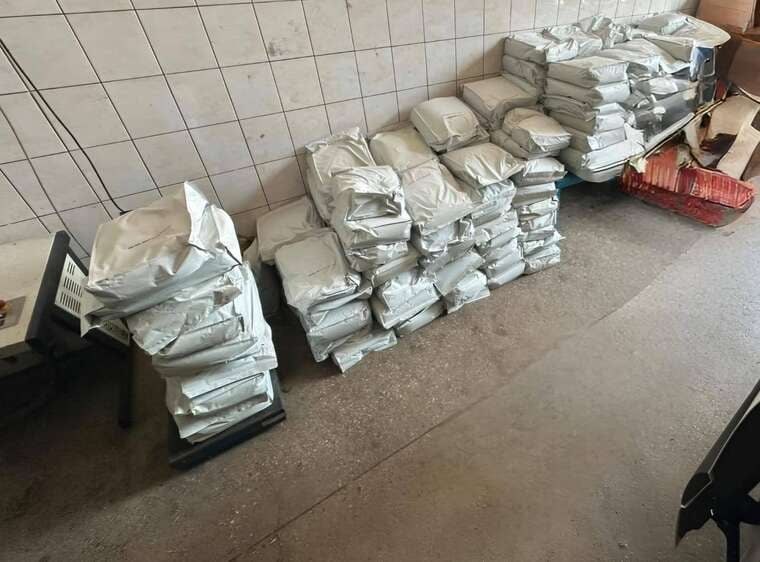
Court to try organiser of 942 kg kratom smuggling in Bukovina
Court to hear case of 43-year-old man who disguised the import of nearly a tonne of kratom into Ukraine as matcha tea.
Court to hear case of 43-year-old man who disguised the import of nearly a tonne of kratom into Ukraine as matcha tea.

Journalist Maryna Danyliuk-Yarmolaieva highlighted an account belonging to a woman posting photos of a penthouse and travels, referencing the lack of electricity in Ukraine.
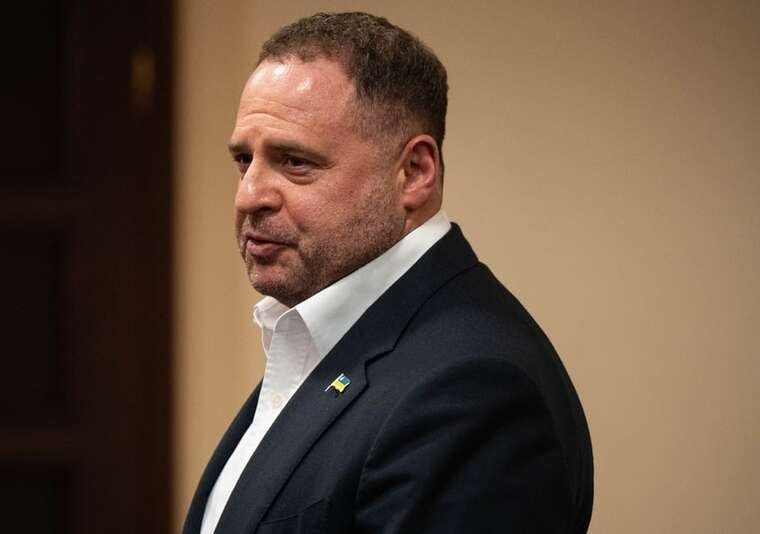
Investigative judge lifts restrictions on former Office of the President aide leaving Kyiv and several regions, leaving other preventive measures unchanged.
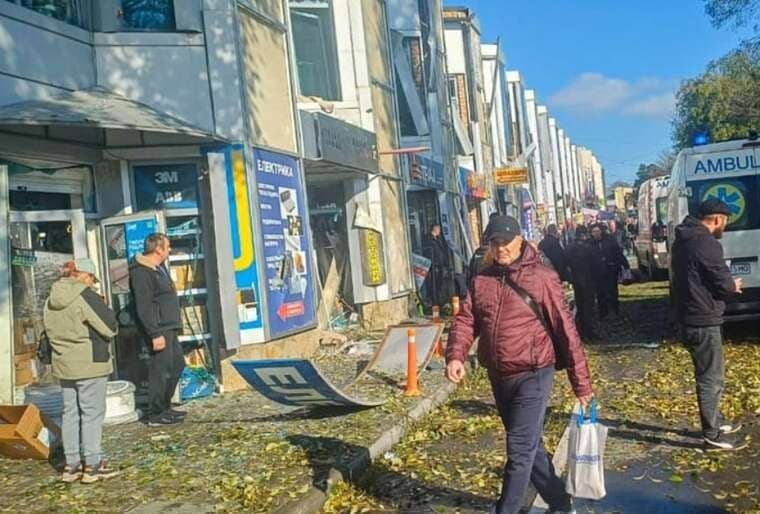
The regional military administration reported three deaths and 11 injuries among residents following an attack on a trading point in the city centre.
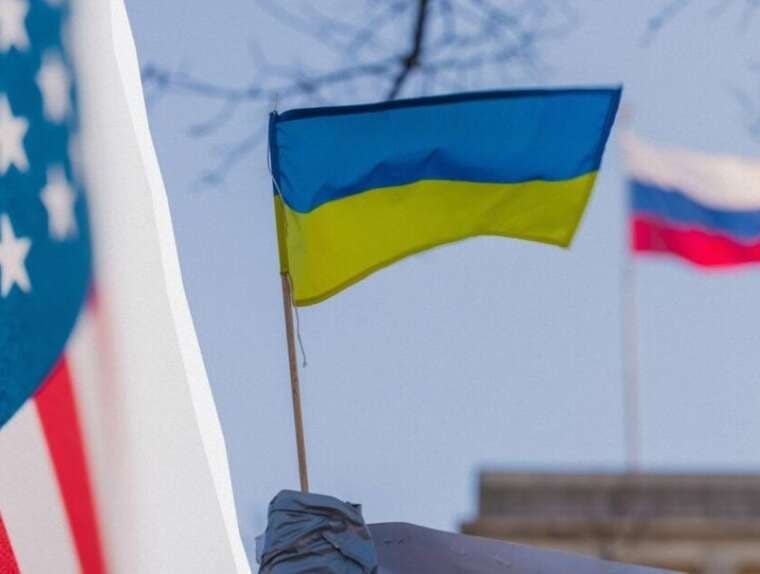
Kyiv called the data on Ukraine rejecting a US initiative on territorial issues unverified, emphasising the immutability of its position.

German chain Lidl attempted to buy Ukrainian retailer ATB in 2026, engaging Deloitte for financial due diligence, but the deal was blocked due to valuation discrepancies amid war risks.
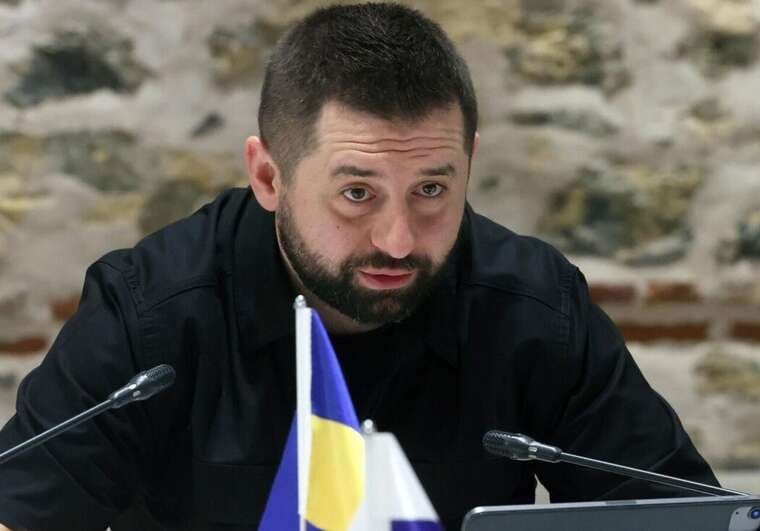
Head of the Servant of the People faction David Arakhamia stated that the trilateral contacts in the UAE became one of the most difficult rounds, as Russian representatives acted on strict instructions.
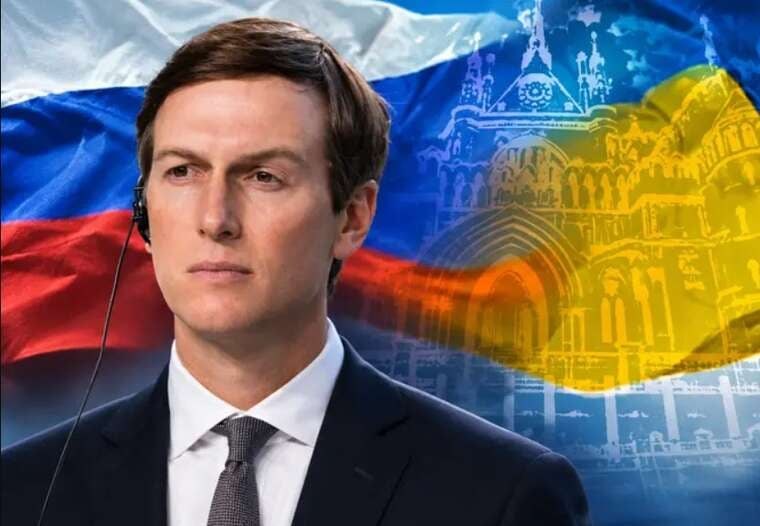
The US special envoy announced a visit to Russia, during which he aims to persuade the Russian side to expand the circle of participants in the peace process to include European countries.
David Arakhamia, who heads the Servant of the People faction in the Verkhovna Rada, stated that the trilateral negotiations held on 10–11 November in Abu Dhabi (UAE) became one of the most difficult stages of the diplomatic process. According to him, the complexity of the situation was caused by the fact that the Russian delegation arrived at the meeting with extremely strict instructions.
“Насамперед дякую вам, хлопці, за те, що ви зробили. Я думаю, що цей процес… можна справедливо сказати, що це був один із найскладніших. І я вважаю, що росіяни приїхали з дуже-дуже суворими вказівками, і було дуже важко пом’якшити тон обговорення” (First of all, thank you, guys, for what you did. I think that this process… it can fairly be said that it was one of the most difficult. And I believe that the Russians came with very, very strict instructions, and it was very difficult to soften the tone of the discussion), the parliamentarian emphasised during a briefing held on Wednesday after the end of the negotiations.
According to Arakhamia’s assessment, it was the American side that managed to “structure” the discussion, focusing on the post-war perspective for both states. In his opinion, this approach allowed opening up dialogue and making the work more productive.
The politician noted that the meeting itself should be considered an achievement. He recalled that just six months ago, there was a conviction that restoring trilateral negotiations by spring would be impossible.
David Arakhamia placed particular emphasis on the agreement on the exchange of a large number of people. “Гірше, коли доводиться проводити три, чотири, п’ять таких раундів лише для того, щоб звільнити цих людей. Тому я сподіваюся, що завтра цифра буде великою” (It is worse when you have to conduct three, four, five such rounds just to release these people. Therefore, I hope that tomorrow the number will be large), he added, calling the conclusion of such an agreement a significant step.
As previously reported, the first day of negotiations in Abu Dhabi (Tuesday) ended after lunch, with the duration of the contacts being about four hours. On Wednesday, bilateral Russian-Ukrainian negotiations lasting approximately two hours took place in the UAE capital, as well as a round of discussions with representatives of European countries.
During the meetings, an agreement was reached on a large-scale prisoner exchange. Ukrainian President Volodymyr Zelensky informed about plans to exchange “a thousand for a thousand, maybe a thousand and a half for a thousand and a half” in the near future.
The participants focused mainly on issues of security guarantees for Ukraine and Europe as a whole. They also separately discussed Russia’s demands for security guarantees for itself, as well as the issue of Ukraine’s reconstruction and the formation of a new European security architecture in the context of a crisis of trust. In total, the negotiation process lasted about four hours.
The Ukrainian side was represented at the negotiations by:
From the United States of America, the following participated in the negotiations:
The Russian delegation was headed by Vladimir Putin’s aide Vladimir Medinsky. Its composition also included:
Comments
No comments yet. Be the first!