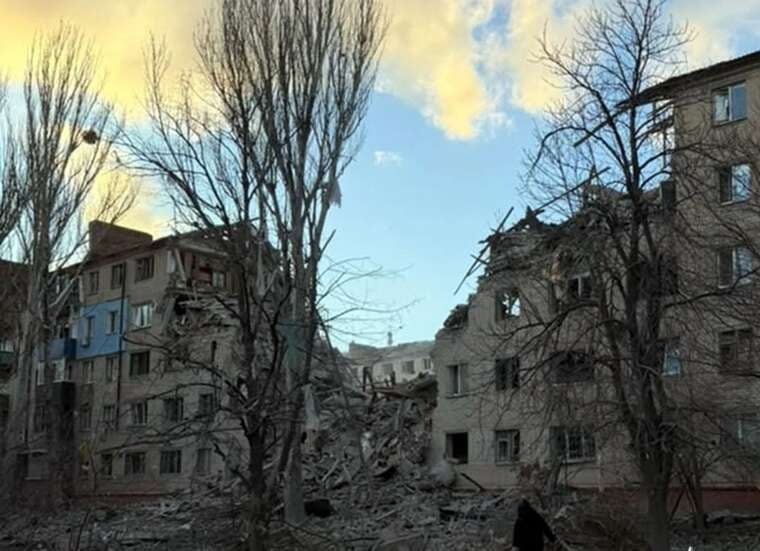
Two killed, three injured in Russian air strike on Sloviansk
Russian occupiers used a FAB-500 aerial bomb against a residential area in Sloviansk, resulting in the deaths of two residents and injuries to three others.
Russian occupiers used a FAB-500 aerial bomb against a residential area in Sloviansk, resulting in the deaths of two residents and injuries to three others.
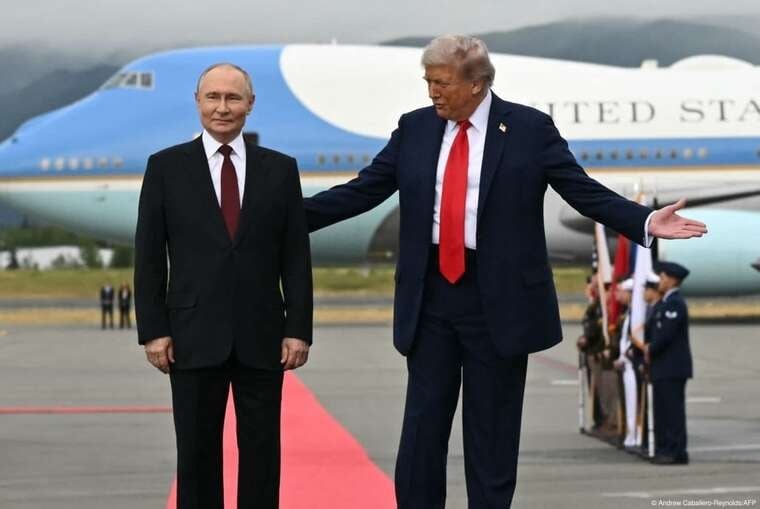
US National Intelligence Director Jay Clayton backed Donald Trump after the publication of a photo with Vladimir Putin, calling the trilateral summit a key achievement in nuclear security.

French presidential candidate Marine Le Pen confirmed to the Ukrainian ambassador that financial support for Ukraine would be halted due to budget constraints if she wins the election.
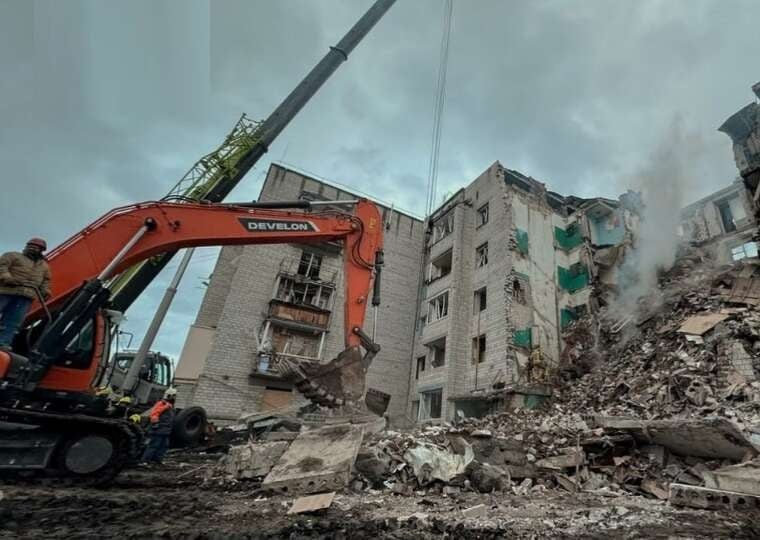
Ukrainian President reported on prolonged rescue operations in Kyiv Oblast following a suicide drone strike on a residential building, and noted the consequences of attacks in Vyshneve and Bilotserkivskyi district.

A jet-powered drone hit a railway station in Kharkiv Oblast, the building is fully engulfed in flames, and there are casualties.
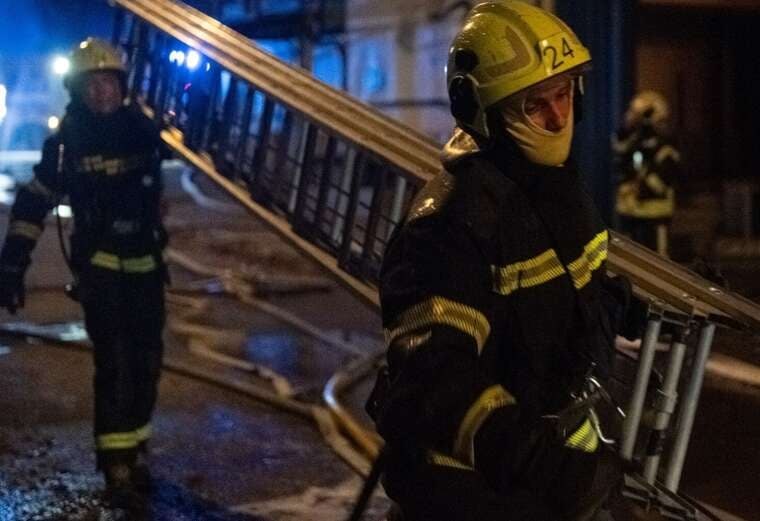
Interior Minister Ihor Vyhivskyi announced the rescue of a child following a strike on a residential building in Kyiv Oblast. The boy spent nearly 14 hours under the debris.
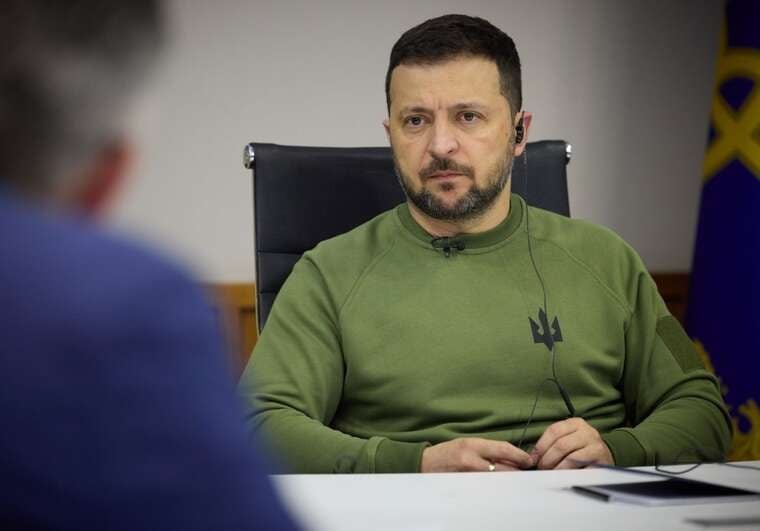
President stated that next week must be productive for state support and will boost the country's European integration.

Kateryna Kobernyk warns that the erosion of public trust in institutions of power is a desired outcome for Russia, which is actively working to achieve this goal.
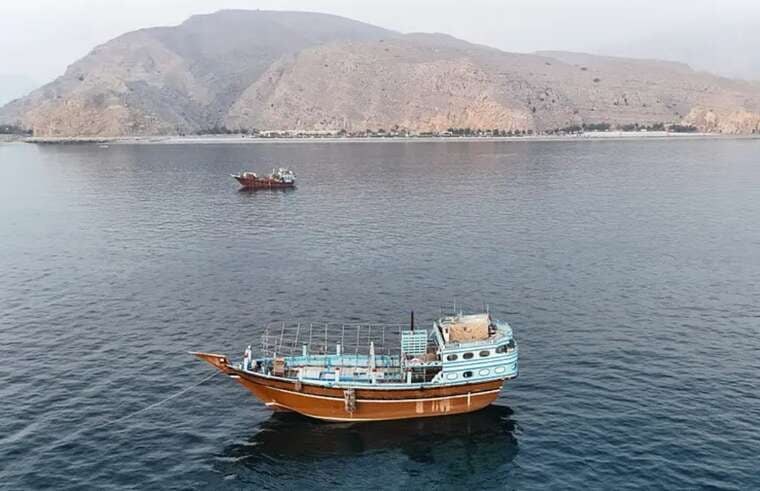
According to data from the UK Maritime Trade Operations (UKMTO), cited by the Financial Times, the intensity of vessel movement through the Strait of Hormuz decreased by 15% over the past week. This trend is linked to a series of Iranian attacks on commercial transport assets.
Between 12 and 18 November, 263 vessels passed through the strait. For comparison, this figure stood at 308 units the previous week. Oil tanker traffic volumes fell particularly sharply: their number decreased by 29%, reaching a level of 37 vessels.
Overall, current shipping intensity remains approximately 65% lower than the levels recorded before the start of the conflict.
Six cases of attacks on tankers were documented during the period in question. Four of them occurred directly in the Strait of Hormuz, while two took place in the waters of the Persian Gulf. As a result of these incidents, two vessels required assistance.
The reduction in transport volumes leads to an increase in the cost of insurance and logistics services for oil. This creates additional risks for the global energy market.
Comments
No comments yet. Be the first!