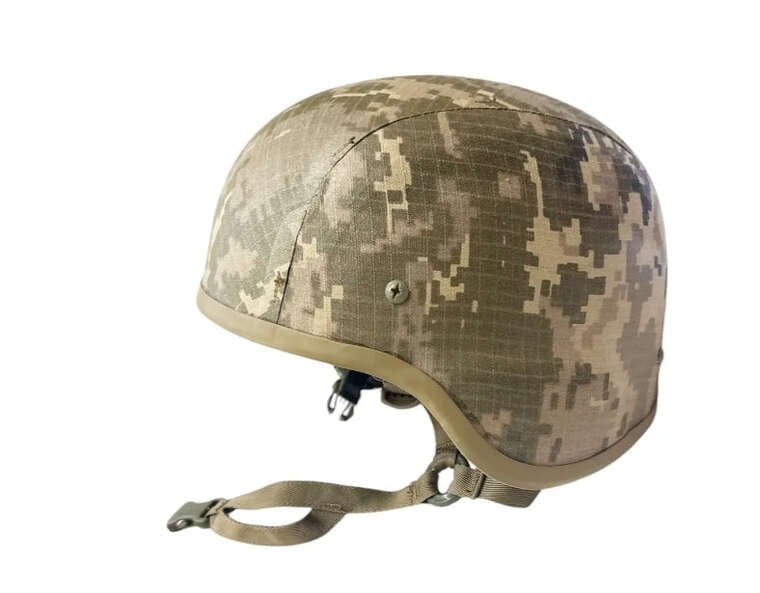
DOT bought 15,000 ballistic helmets for UAH 141m after 11.5% price hike
The state enterprise of Ukraine's Ministry of Defence signed three contracts for protective equipment, raising the expected unit cost following the failure of previous tenders.
The state enterprise of Ukraine's Ministry of Defence signed three contracts for protective equipment, raising the expected unit cost following the failure of previous tenders.
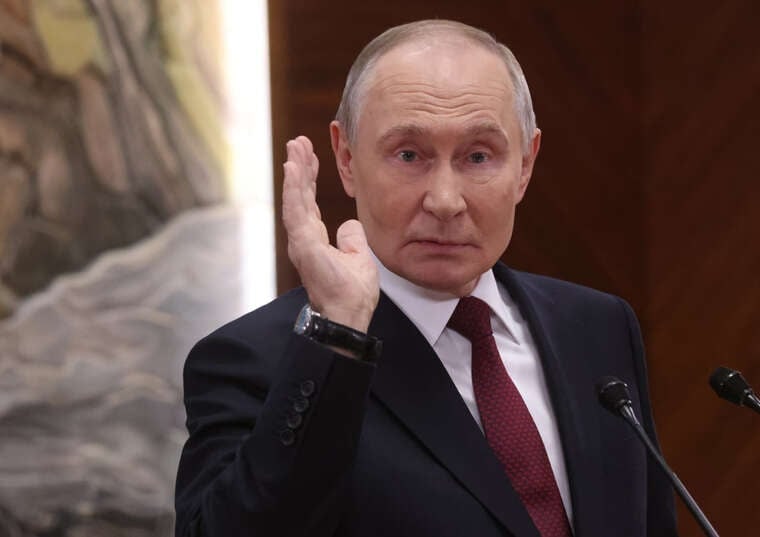
Vladimir Putin told US special envoys that the presence of foreign troops in Ukraine would make them a "legitimate target" for Russia.

US special envoy told Russian leader about European states' intentions to participate in negotiations and discussion of a new security system.
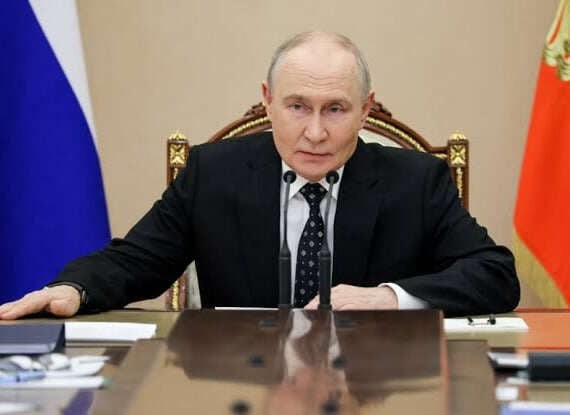
Russian leader proposes US organise humanitarian operation in Kostiantynivka based on Oleshky model, claiming readiness to guarantee safety.
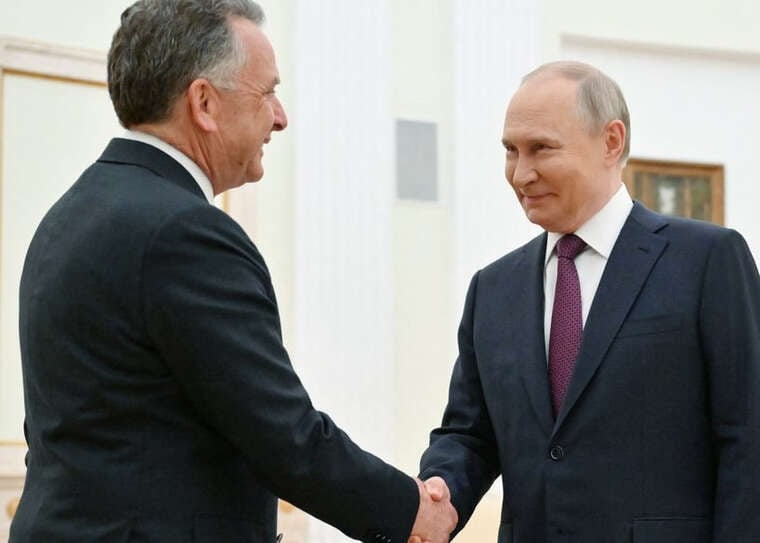
In talks with Steve Witkoff and Jared Kushner, the Russian leader proposed organising a humanitarian mission from Kostiantynivka, citing the precedent in Oleshky.

In Mykolaiv, a mobilised man was detained for passing coordinates to Russian missiles targeting the building where the commander of the airborne assault brigade was located.

The head of state reported that the Russians were not given permission to discuss measures to reduce the horrors of the war. Information also emerged regarding US pressure on Kyiv over Starlink speed restrictions.

Four officials and one businesswoman have been charged with embezzling over 427,000 hryvnia during the procurement of advertising services.
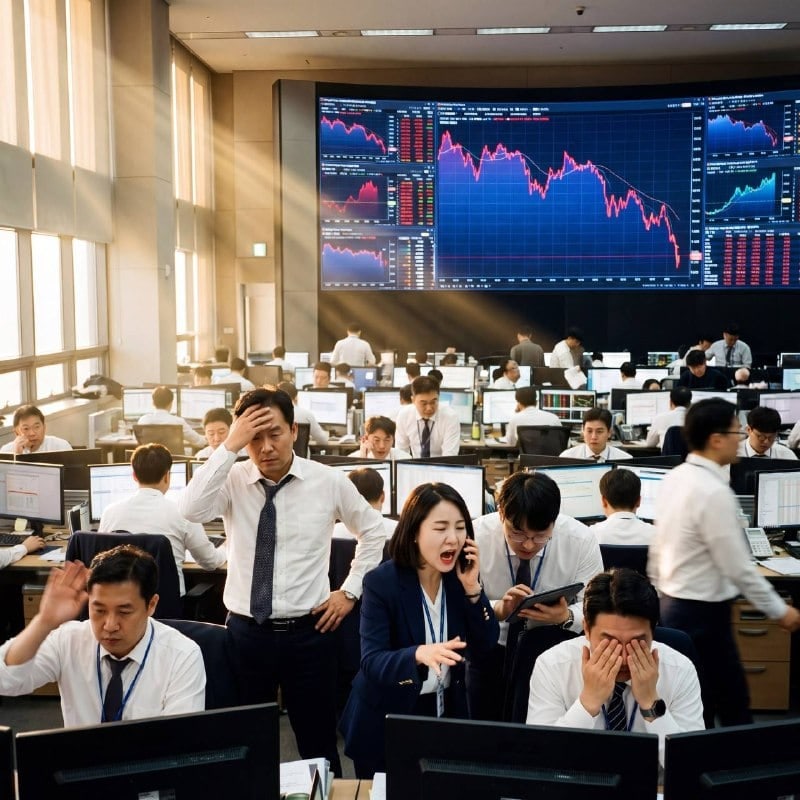
On the morning of 6 November, the Seoul exchange was forced to halt operations just minutes after the session began. An automatic circuit breaker was triggered after the KOSPI index fell by 8.6%. Trading was suspended for 20 minutes. The last similar incident in South Korea occurred on 5 August 2024.
The KOSPI index opened down 2%, but soon plunged below the 5,000-point mark, showing a decline of 8.55%.
Companies operating in the semiconductor sector were hit hardest. Samsung Electronics shares fell by 10%, while SK Hynix dropped by 12%. According to FourWeekMBA, these two companies lost a combined approximately $166 billion in market capitalisation in a single trading session.
Similar dynamics were observed in Japan. The Nikkei index fell by 6.2%, dropping below the 60,000-point level to 57,289.
The cause of the Asian crash was the previous day's closing of the trading session in New York. The Nasdaq index lost 5.52%, marking its worst performance since spring 2025. The S&P 500 fell by 4.3%, and the Dow Jones by 3.4%.
Among tech stocks, AMD (down 16.8%) and Nvidia (down 9.2%) fell the most. The SOX semiconductor index dropped by 12% overnight.
The market is reacting to changes in the political landscape in the US. Following the Democrats' victory, investors are assessing the risks of increased regulation of the artificial intelligence and data centre sectors. South Korea and Japan are key producers of memory and chips that underpinned the current AI boom. A shift in regulatory policy in America is causing uncertainty regarding demand for Asian products.
On 3 November, investment funds began exiting positions in the AI sector. On 4 November, the Democrats gained control of Congress. On 5 November, the US market initially rose but then fell sharply after lunch. On 6 November, the negative momentum spread to Asian markets.
Today in the US, the release of the employment report is expected, which could provide a reason for a brief pause in market volatility.
Current events indicate not a one-off panic, but a reassessment of investment strategies related to artificial intelligence. Investors should check what proportion of their assets (stocks, funds, pension programmes, cryptocurrencies correlated with Nasdaq) depends on this sector.
Technical circuit breakers may halt trading, but they do not stop the process of asset revaluation.
Comments
No comments yet. Be the first!