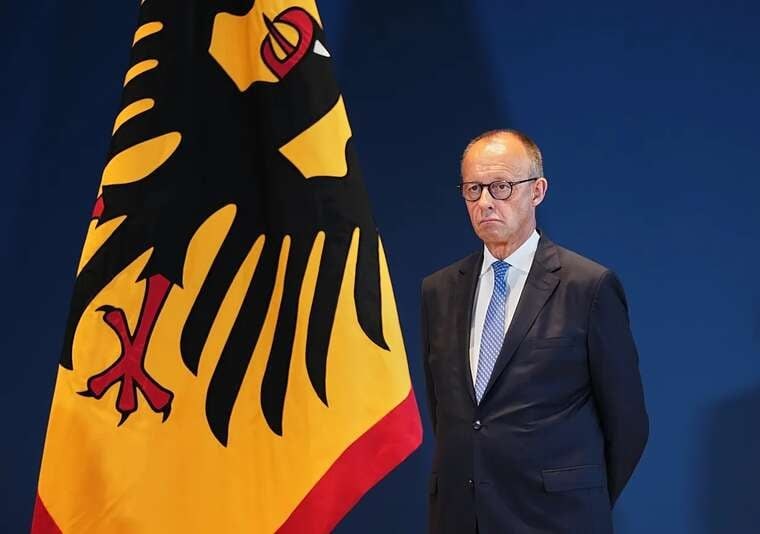
Merz claims support for idea of financing Ukraine through EU budget
German Chancellor Friedrich Merz stated that his proposal to link aid to Kyiv with the EU's long-term budget for 2028–2034 has found support among many member states of the bloc.
German Chancellor Friedrich Merz stated that his proposal to link aid to Kyiv with the EU's long-term budget for 2028–2034 has found support among many member states of the bloc.

South Korea has presented original fur-lined footwear costing approximately $23.

In the third episode of the reality show, participants had to give each other masks with negative traits. The singer found the task difficult, and Ostrovskyi came to her support.
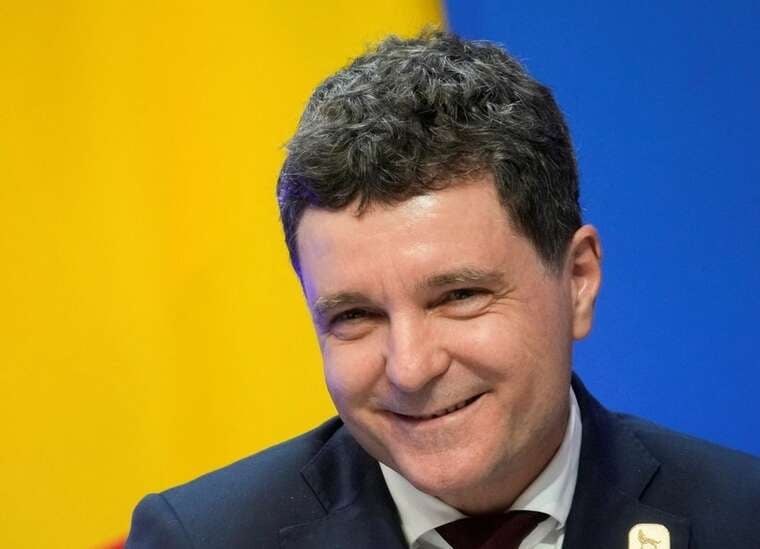
Romanian President Nicusor Dan explained why Bucharest views the destruction of Russian targets over Ukraine as direct participation in hostilities.

The Verkhovna Rada adopted a law on virtual assets, creating uncertainty over the number of exchanges. The media links potential market monopolisation to a company whose director is the former head of LAZ.
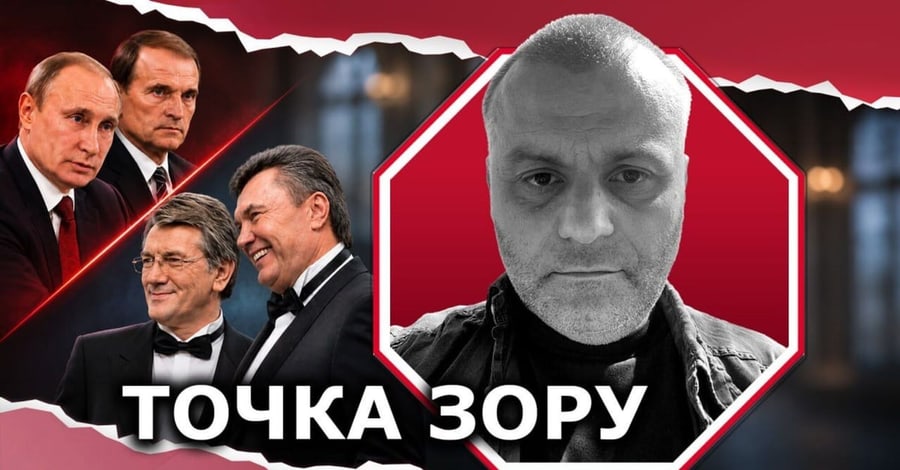
Analysis shows that the weakening of Ukraine's defence capability occurred under different presidents. The expert points to specific facts of disarmament and privatisation of military facilities that became a prerequisite for modern problems.
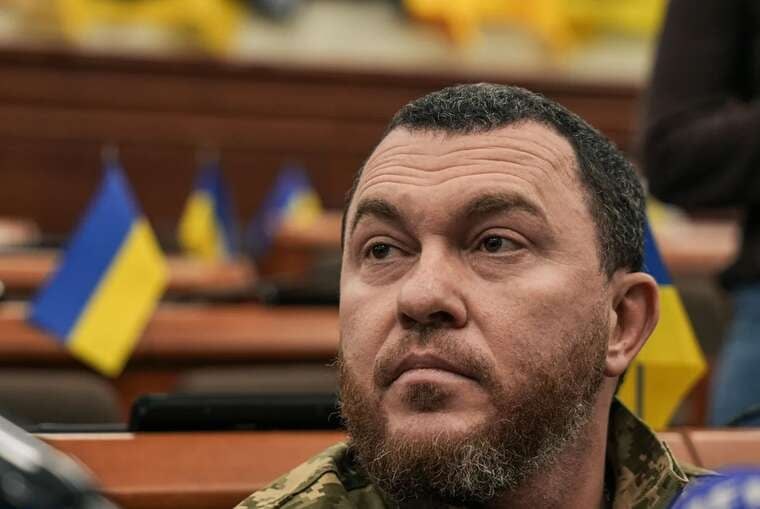
Following a VACS hearing, Serhiy Duka expressed surprise that the State Bureau is not investigating Semyon Kryvonos and Oleksandr Klymenko, suspecting fear of anti-corruption bodies.

The UK Ministry of Defence has sent letters to strategic reservists urging them to prepare for potential mobilisation, citing threats from Russia.
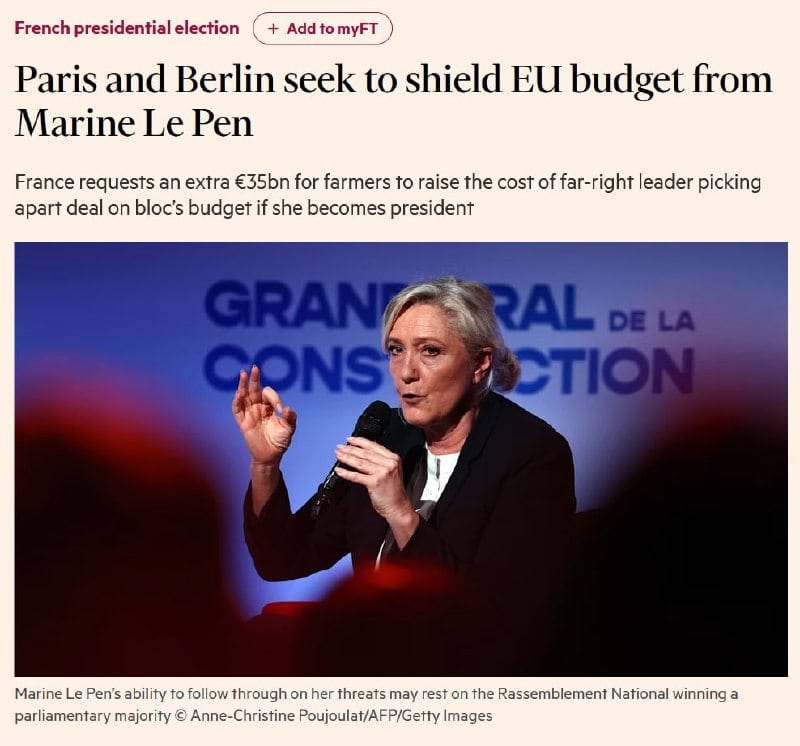
French and German sides are already taking measures to protect the future seven-year budget of the European Union from potential actions by Marine Le Pen. The leader of the far-right parties tops the polls ahead of the April elections and publicly states her intention to halve France's contribution to the common treasury, as well as to completely stop funding Ukraine. According to her entourage, she may even refuse to ratify the budget agreement.
«Вона нависає над усіма справами на нашому столі» ("She looms over all the issues on our table"), a senior EU diplomat acknowledged, commenting on the impact of the political situation in France on European negotiations.
EU capitals are choosing different approaches to minimising risks. Paris demands the inclusion of an additional €35 billion in subsidies for French farmers in the budget from 2028. The logic behind this position is to secure maximum resources now, which would make it difficult for Le Pen to dismantle the reached agreement.
In contrast, Berlin seeks to secure Ukraine funding directly in the text of the EU budget law. This step is intended to ensure that no country, particularly France, can block these expenditures at the national level. As one official noted, the main goal is to make support for Kyiv "protected from Le Pen".
However, there is a significant obstacle: after agreement is reached by leaders, the budget must be approved by the European Parliament and national parliaments. Since the French parliament goes on recess at the end of February, it is unlikely that the agreement will be ratified before the April elections. This has given rise to suspicions among some EU countries of manipulation by Paris.
«Французи намагаються заробити, лякаючи нас урядом Ле Пен» ("The French are trying to profit by scaring us with a Le Pen government"), one diplomat claims.
Chancellor Friedrich Merz has clearly outlined the conditions for Berlin. Germany, which finances approximately a quarter of all EU expenditure, will not agree to a budget without long-term support for Ukraine. In addition, Berlin demands that decisions on allocating additional funds for Kyiv be made by a majority, rather than by consensus of all 27 member states.
This issue is fundamental, as Hungary, Bulgaria, Slovakia, and the Czech Republic have already voiced protest against further funding of Ukraine. Meanwhile, all four of these countries are net recipients of EU funds, so they will suffer losses if they block the adoption of the budget.
Specific sums are already being discussed in the negotiation process. The European Commission proposed allocating €100 billion for Ukraine over a period of seven years, but this amount is considered insufficient. An additional over €50 billion constitutes interest on loans related to aid for Kyiv, and Brussels wants to cover these separately.
Comments
No comments yet. Be the first!