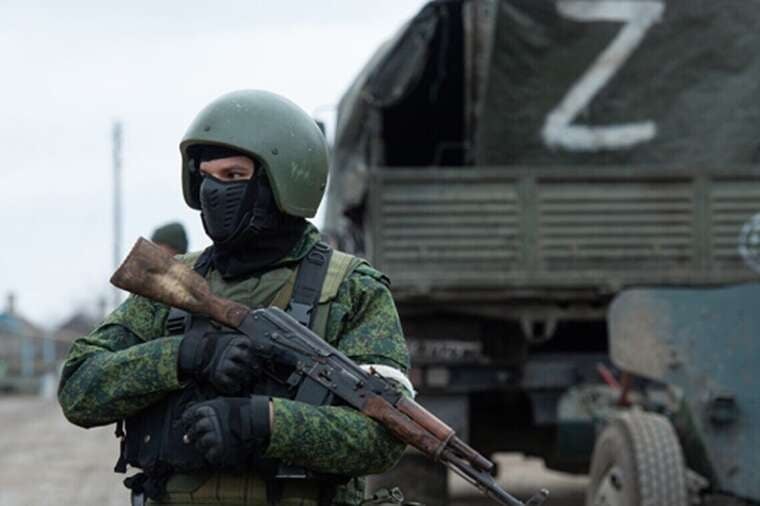
DeepState: Enemy troops advance near Tsvitkove and Staroukrainka
Changes in force deployment have been recorded on the Hulyaipil direction: according to DeepState's assessment, Russian troops advanced in two areas in eastern Zaporizhzhia Oblast.
Changes in force deployment have been recorded on the Hulyaipil direction: according to DeepState's assessment, Russian troops advanced in two areas in eastern Zaporizhzhia Oblast.
Conflict arose over the detention of a local Roma baron. A crowd gathered near the facility and attempted to break inside.
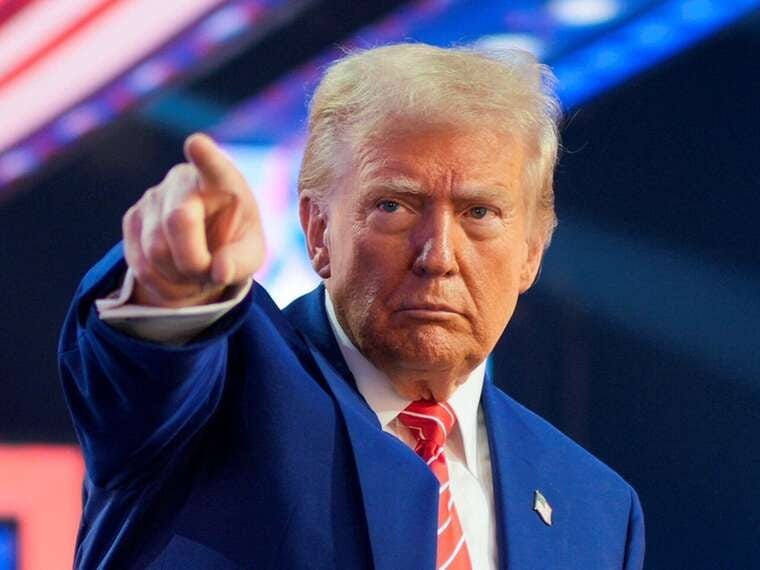
During a joint appearance in the Oval Office, Donald Trump abruptly stopped and began shouting at one of the journalists present, demanding silence.
Losing deferred employee status allows the TCC to send a combat summons by post without a prior call. Refusing to receive the letter does not guarantee exemption from liability.
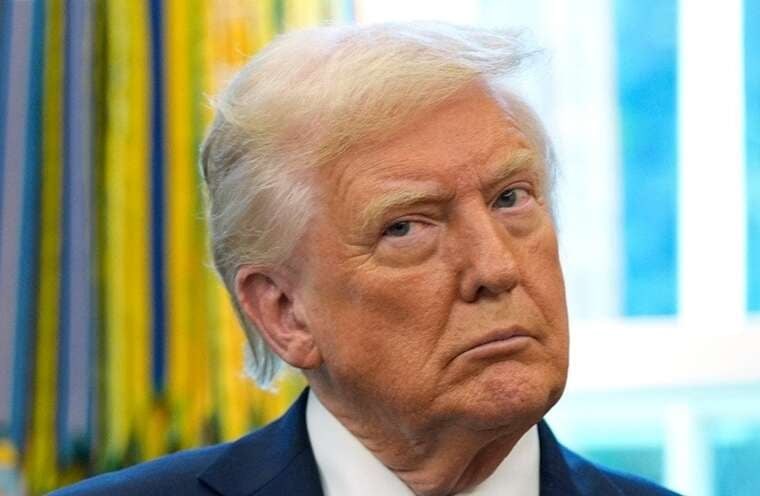
US President Donald Trump stated at a briefing in the Oval Office on 20 October that Volodymyr Zelenskyy must want to end the war, as otherwise the situation will worsen.
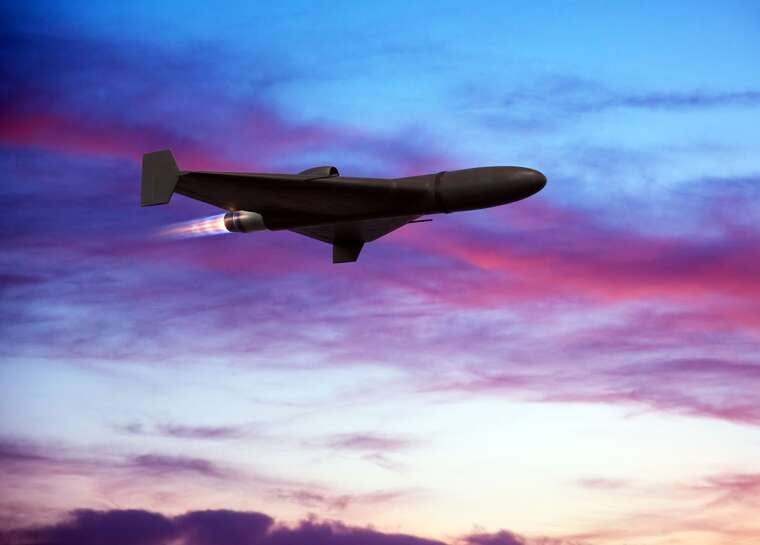
Russian occupiers used a drone against transport infrastructure facilities in Chernihiv on the evening of 20 October. This was reported by the head of the Chernihiv City Military Administration, Dmytro Bryzhynskyi.

The Cabinet of Ministers officially denied reports of a state of emergency, clarifying that the decision only concerns appointing officials responsible for addressing potential emergencies.
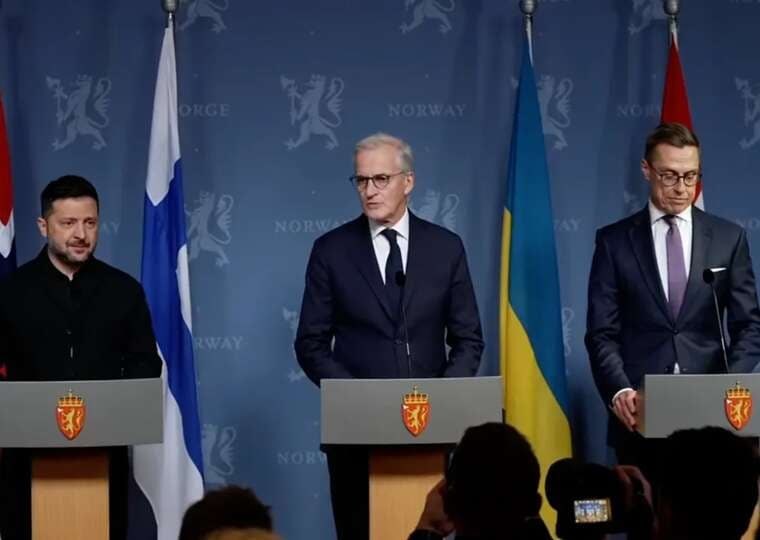
Ukrainian President stated the effectiveness of US intelligence warnings and announced a visit by Trump's special envoy to the Russian Federation with proposals discussed during Norwegian negotiations.
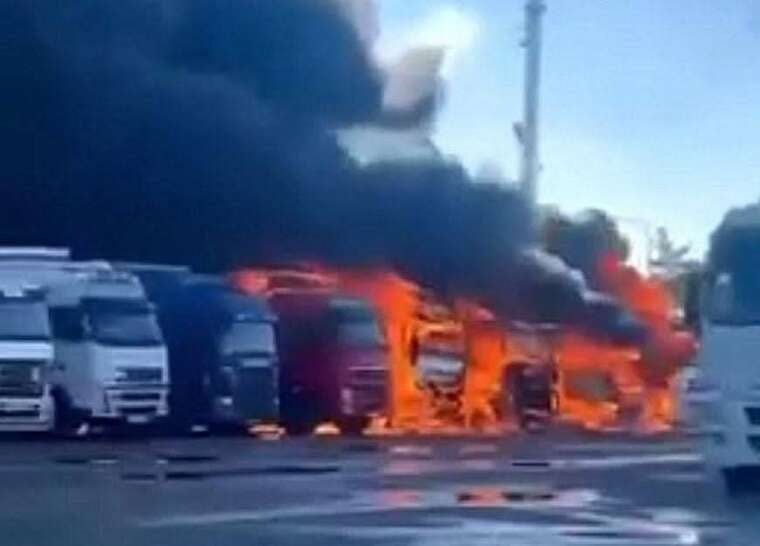
The aftermath of the strike on infrastructure in Kovel proved catastrophic: fire destroyed over 15 freight vehicles that were parked at the customs terminal. According to data obtained following the attack on 16 October, infrastructure facilities were damaged, and there were casualties among people.
This incident was not the first in recent times. On 12 October, a freight terminal in Mykolaiv came under enemy fire. Significantly earlier, border crossing points in Odesa Oblast were targeted. The repetition of such scenarios forces society to raise the question sharply: why, in the midst of active hostilities, have all possible measures not yet been taken to minimise the concentration of cargo and vehicles at customs terminals?
The business community has been warning about these risks for several months and has provided specific proposals, yet systemic changes have not yet occurred. The industry demands a shift from discussions to decisive steps to avoid new tragedies.
Experts and business representatives are once again drawing the attention of Serhiy Koretskyi, Oleksandr Kravchenko and Serhiy Marchenko to the need to eliminate problem areas where vehicles concentrate under customs control and at state border crossing points. Key proposals for resolving the situation include:
In addition, the implementation of other optimisation mechanisms has been proposed.
In peacetime, certain bureaucratic procedures may be appropriate, but in conditions of war and regular shelling, they become dangerous. It is precisely these procedures that force trucks to congregate in one place, leading to massive losses, as happened in Kovel.
Waiting for the next shelling of customs terminals and border crossing points is pointless. The price of delay is measured not only by destroyed cargo and business assets. At stake are people's lives, their fates, jobs and the future of the entire Ukrainian business.
Comments
No comments yet. Be the first!