Increased threat from long-range drones
Russian armed forces have intensified the use of long-range unmanned aerial vehicles and aviation strikes against infrastructure in Sloviansk and Kramatorsk. This was stated by Yurii Butusov, commander of the drone systems platoon of the "Khartiia" brigade, in a conversation with journalist Iryna Romaliiska, which was published on the "Butusov Plus" YouTube channel.
According to the military officer, although there is currently no direct threat of street fighting in these cities, and the situation on the axis is controlled by Ukrainian units, Russia is increasing the number of long-range drone units and intensifying aviation strikes.
«Ворог наростив кількість підрозділів БпЛА на напрямку, далекобійних дронів, наростив кількість ударів авіації. І щодня російські дрони вбивають мирних людей у цих містах» (The enemy has increased the number of UAV units on the axis, long-range drones, and increased the number of aviation strikes. And every day Russian drones are killing peaceful people in these cities), Butusov emphasised.
The problem of delayed evacuation and destruction of logistics
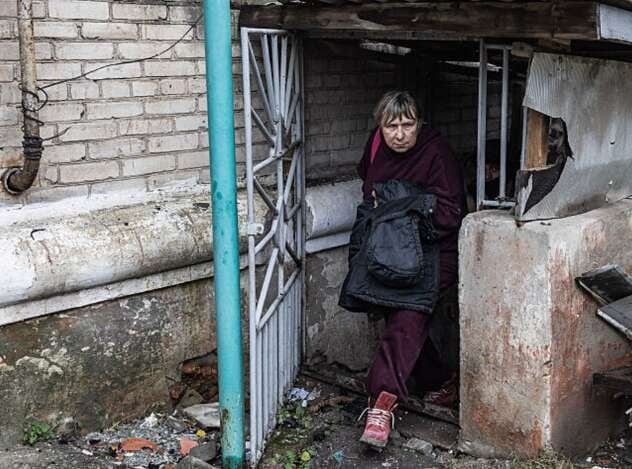
The officer drew attention to the fact that some residents do not realise the danger, hoping that the shelling will end and they will be able to return to their usual lives. This leads to evacuation having to be organised at the last moment, when Russian drones already control a significant part of the routes, and any movement becomes extremely risky.
In addition, constant strikes destroy transport infrastructure, vehicles of medical and social services, as well as communication networks. In the event of a deterioration of the situation, people left at home may lose the opportunity to even seek help.
«Тому мова йде про те, що має бути поступово реалізована операція з виселення людей» (Therefore, the point is that an operation to relocate people must be gradually implemented), the military officer noted.
Forced removal of children and vulnerable categories
Yurii Butusov emphasised the need for the urgent removal of elderly people, persons with disabilities, and those unable to ensure their own safety from danger zones. These categories of the population are most vulnerable during shelling, especially if transport links and communications are destroyed.
He also insists on the forced evacuation of all minors from territories subjected to intense strikes. Butusov highlighted the psychological harm caused to children by constant shelling and reminded of the responsibility of adults for their safety.
Statistics and the responsibility of the Supreme Command
According to the data provided during the conversation, 924 children remain in the Sloviansk community, 334 in Kramatorsk, and 15 in Sviatohirsk. According to Butusov's estimate, up to 15,000 civilians may still be living directly in Kramatorsk, including a significant number of children, although the actual number of residents may be even higher.
The military officer believes that the issue of responsibility for evacuation should be considered by the Supreme Commander-in-Chief's Headquarters. When making a decision, it is necessary to take into account the statistics of civilian deaths and the risks of their presence in the cities.
«Хто має відповідати за людей? Безумовно, Ставка Верховного Головнокомандувача мала б розглянути питання, подивитися статистику загибелі мирних мешканців. Потім подивитися, які проблеми виникають… Наші військові не можуть кинути людей, вони все одно там знаходяться — це велике відволікання ресурсів, це ризик життям» (Who should be responsible for the people? Unconditionally, the Supreme Commander-in-Chief's Headquarters should consider the issue, look at the statistics of civilian deaths. Then look at what problems arise... Our military cannot abandon people, they are still there — this is a major diversion of resources, this is a risk to life), Yurii Butusov emphasised.
He explained that Ukrainian military personnel cannot leave civilians without assistance, therefore they are forced to spend additional resources on their support and evacuation, putting themselves in danger.





Comments
No comments yet. Be the first!