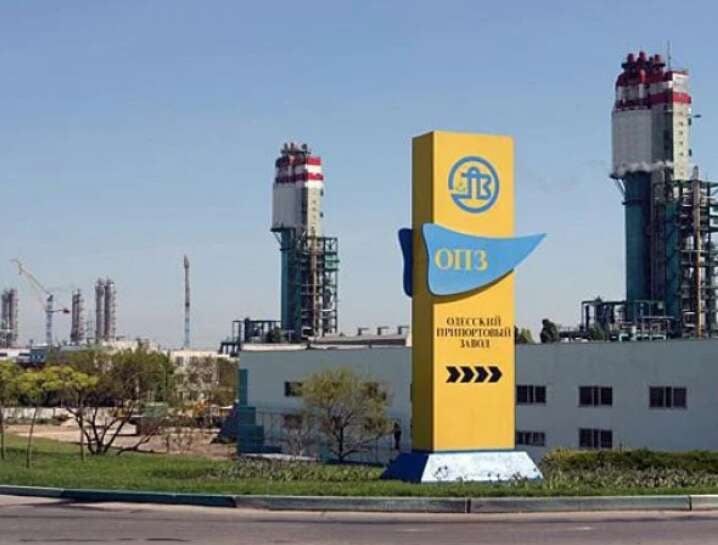
Privatisation auction for Odesa Potash Plant fails due to lack of bids
Attempt to sell plant for 4.3 billion hryvnia fails. FDM head Dmytro Nataluha links failure to political situation ahead of US elections.
Attempt to sell plant for 4.3 billion hryvnia fails. FDM head Dmytro Nataluha links failure to political situation ahead of US elections.
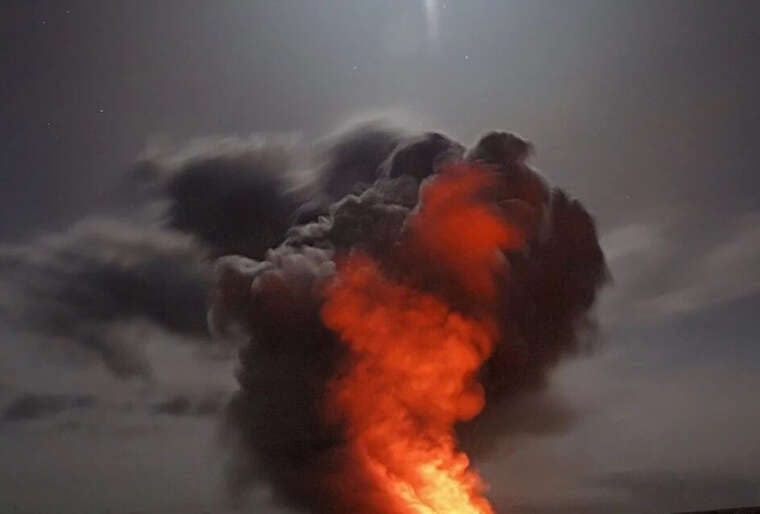
The capital was attacked by ballistic missiles, causing explosions. Details of the aftermath and possible casualties are currently being established.
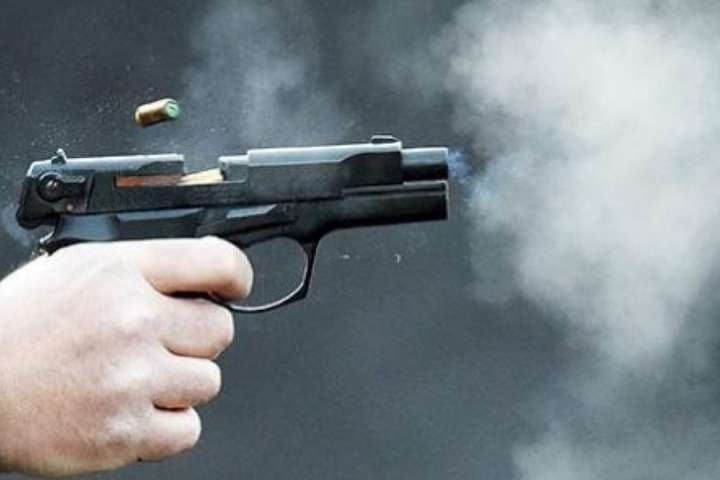
Gunshots were recorded near a school in Ternopil. One resident was injured as a result of the incident; the circumstances are being established.

Thousands of farmers delivered vehicles carrying manure and waste to state agency offices to draw attention to their demands.
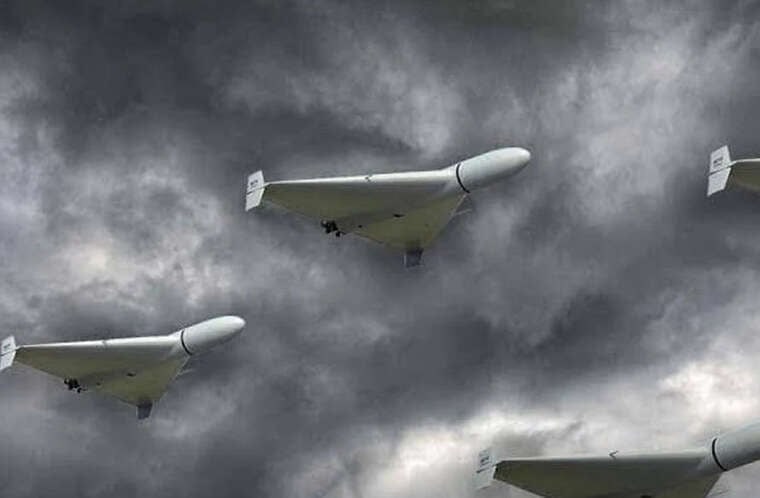
A yellow danger level is in effect in the capital and several regions due to the risk of Russian drone strikes. Official authorities urge citizens to remain in shelters until the all-clear is given.
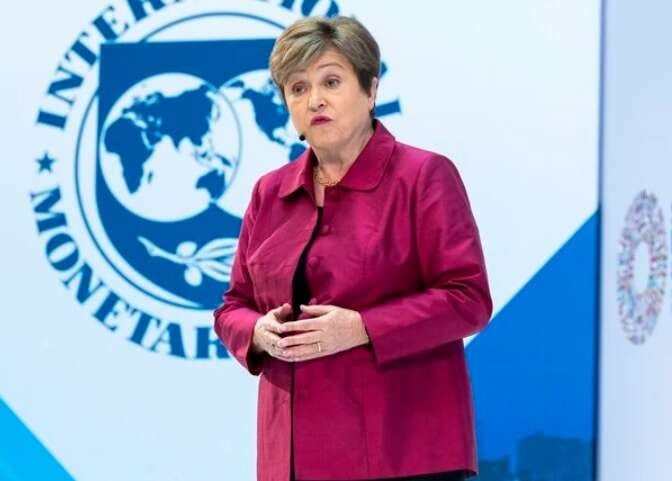
IMF Managing Director highlighted the critical state of partner countries' finances and called on governments to exercise discipline, which may impact the search for funds for Kyiv in 2027.

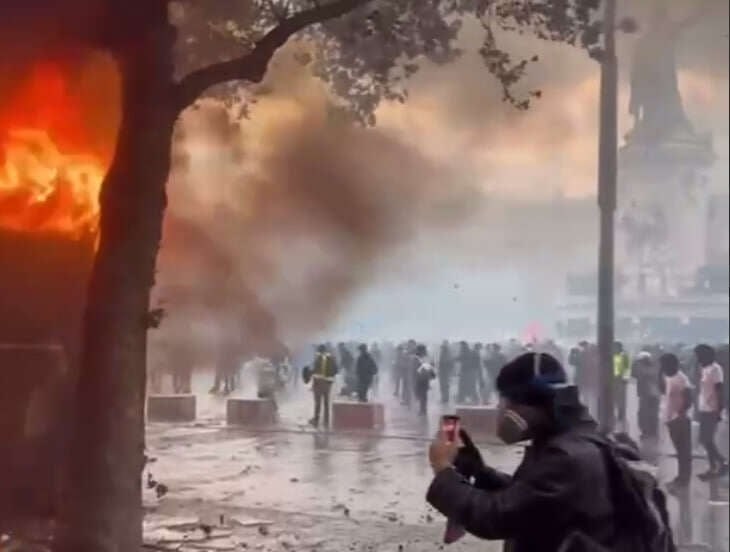
Looters seized a rare Lionel Messi shirt and captain's armband bearing his personal signatures from looted premises in France.
Polish Prime Minister Donald Tusk confirmed that the country will maintain a strict course on border protection and the deportation of offenders, assuring that Warsaw will not repeat the mistakes of other European states.
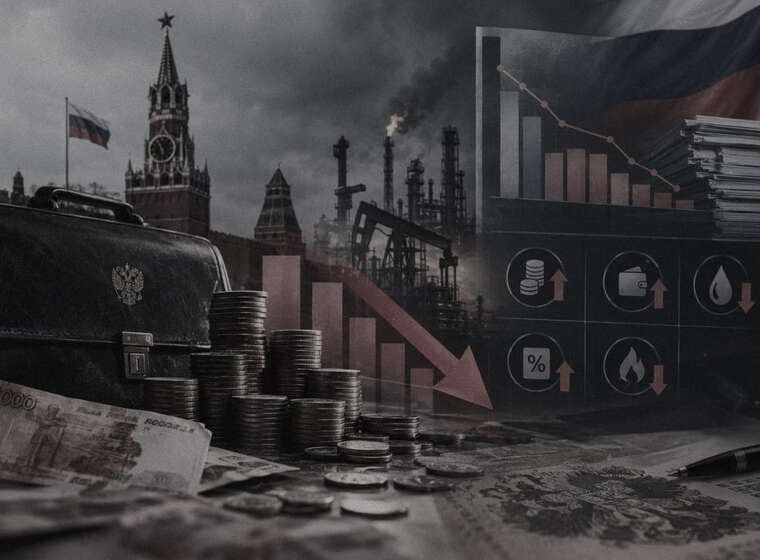
The Foreign Intelligence Service of Ukraine published data on the state of the Russian federal budget. As a result of the first nine months of 2026, the deficit amounted to 5.186 trillion rubles (equivalent to $61.08 billion). This figure corresponds to 2.2% of the gross domestic product.
It is noted that the actual deficit value for the three quarters was 37% higher than the volume that the Russian authorities had included in the plan for the entire year.
At the beginning of 2026, the Russian government assumed a deficit level of 3.786 trillion rubles ($44.59 billion), or 1.6% of GDP. However, as early as September, the Russian Ministry of Finance revised the forecast upwards, setting the expected annual deficit at 7.345 trillion rubles ($86.51 billion), which amounts to 3.2% of GDP.
An analysis of financial flows from January to September indicates an acceleration in budget expenditures. Compared to the same period last year, spending increased by 14.5%, reaching 34.825 trillion rubles ($410.19 billion). Revenues, however, grew more slowly — by only 10%, to 29.639 trillion rubles ($349.1 billion).
The most significant reduction was seen in revenues from the oil and gas sector. They fell by 17.2% and stand at 5.471 trillion rubles ($64.44 billion).
The loss of oil revenues was partially offset by non-oil and gas receipts, which grew by 18.8% to 24.168 trillion rubles ($284.66 billion). In particular, revenues from the value-added tax increased significantly: by 27.4%, to 13.467 trillion rubles ($158.62 billion).
However, according to estimates by the Foreign Intelligence Service of Ukraine, this increase in tax revenues proved insufficient to fully compensate for the decline in hydrocarbon revenues and the rise in expenditures. As a result, the Russian authorities are forced to cover the deficit using accumulated reserves or borrowing.
In the future, the Russian government may resort to additional measures: increasing tax pressure, expanding the volume of national debt, or cutting budget expenditures.
Comments
No comments yet. Be the first!