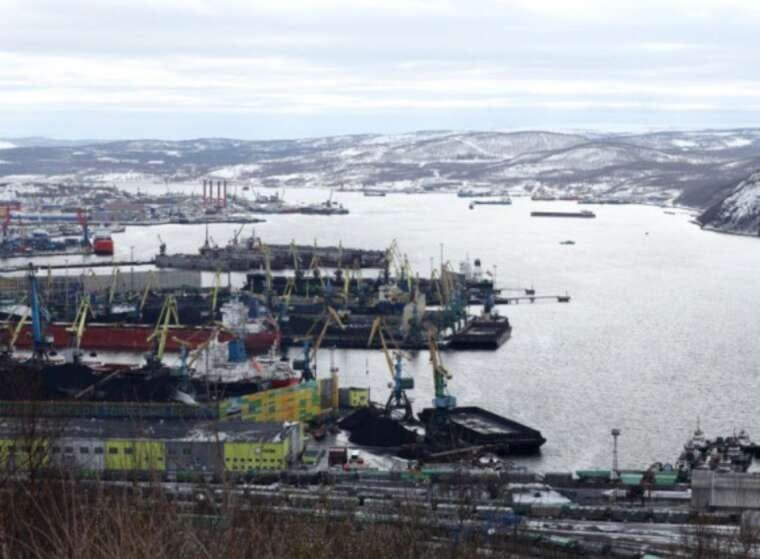
Murmansk port signs contract for export of 600,000 tonnes of grain by September 2027
Following attacks on southern infrastructure, Russia is redirecting grain cargoes to the north, where Murmansk signed a deal for the supply of 600,000 tonnes.
Following attacks on southern infrastructure, Russia is redirecting grain cargoes to the north, where Murmansk signed a deal for the supply of 600,000 tonnes.
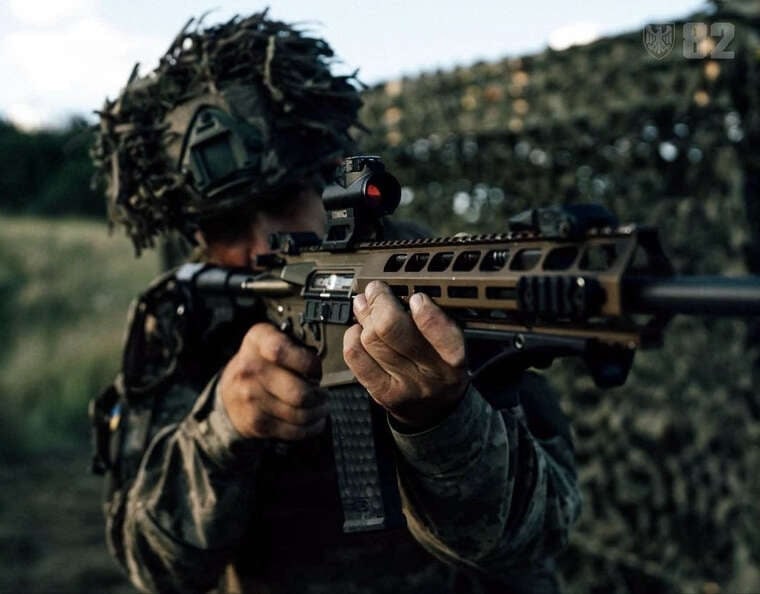
The DeepState analytical project published updated data indicating an advance by the Russian Armed Forces in the Orikhiv area of Zaporizhzhia.
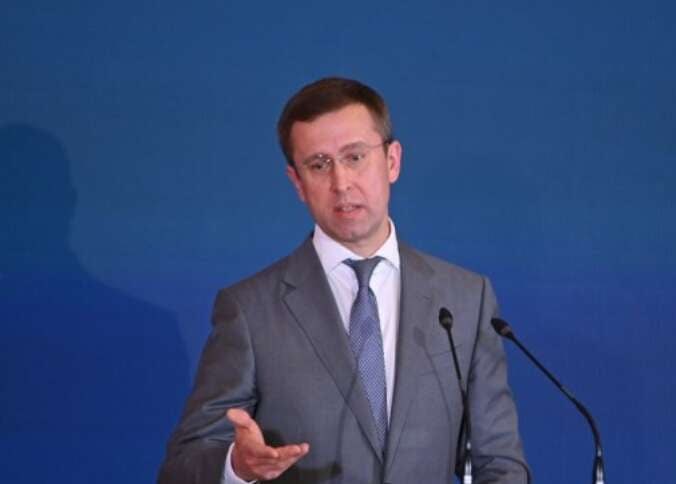
Prime Minister Serhiy Koretsky announced that the revised draft State Budget for 2027 allocates a record 43% of GDP to security and defence, while leaving EUR 70 billion in unfunded financial needs.
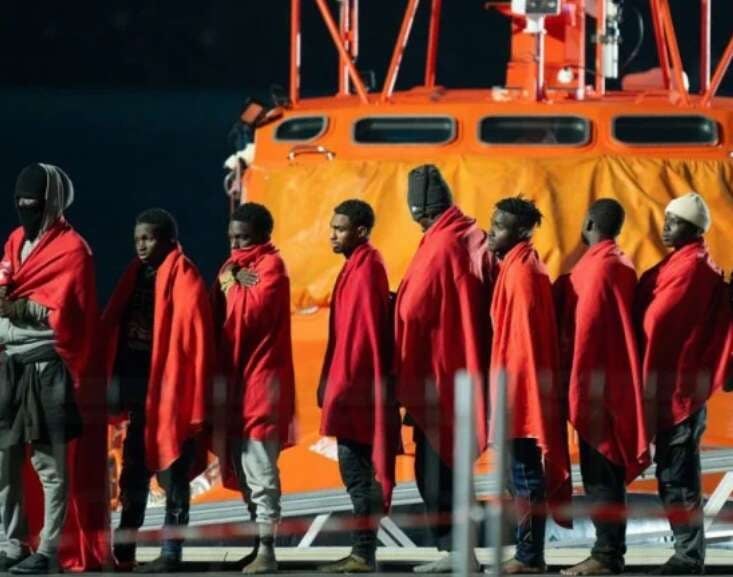
Rescuers found the bodies of eight people on a boat carrying around 100 passengers. Six others were hospitalised in critical condition.
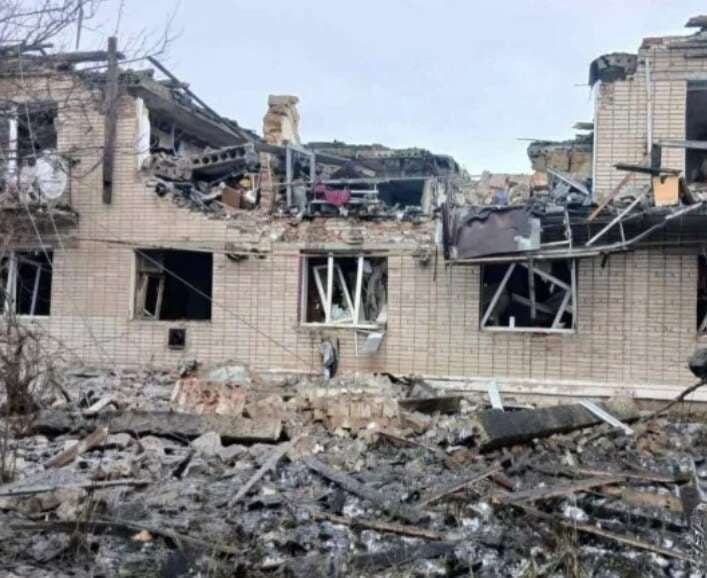
Head of Kharkiv Regional Military Administration Oleh Syniehubov reported damage to residential buildings, a school and a playground following Russian strikes on the village.

Power supply halted in two districts of Kyiv Oblast due to infrastructure damage from Russian attack.

On the eve of the 93rd anniversary of the Holodomor, representatives of the Christian Corps call on believers of various denominations to unite in prayer and light candles of remembrance at 16:00.

The ministry clarified the procedure for documenting defence contracts and grants to obtain the status of enterprises vital to the economy.
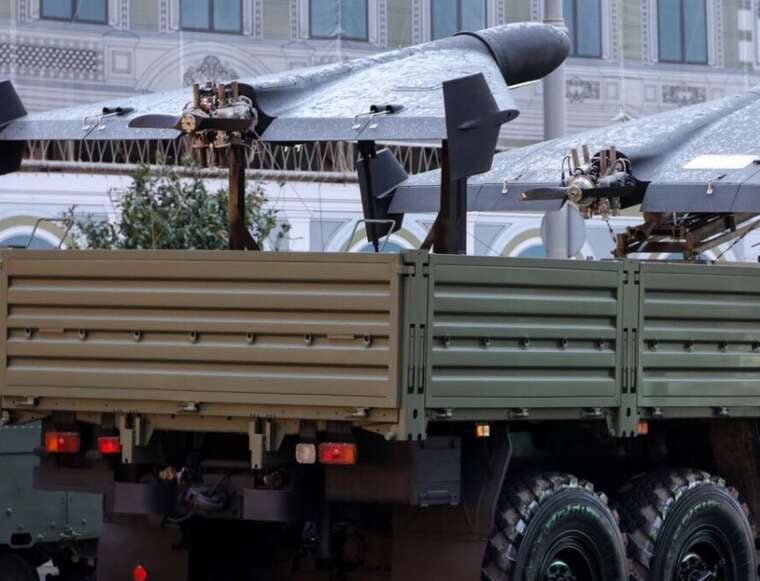
A new approach to threat assessment is taking shape in the capitals of European Union member states. As reported by Politico, citing sources among European diplomats and officials, official Brussels is increasingly seriously considering the risk of a large-scale Russian hybrid attack that could be accompanied by fatalities.
Over the past few weeks, ambassadors of all 27 EU member states have held a series of closed negotiations dedicated to the possibility of a large-scale attack by the Russian Federation. According to sources, the meetings took place in an extremely restricted format: participants left their mobile phones and assistants outside the negotiation room.
One unnamed EU diplomat emphasised the need to be prepared for a serious incident. He drew attention to the event that took place in early August, when Russian drones attacked aircraft at Leipzig airport. German authorities have already recognised this action as an attempt at sabotage by Russia.
«Ми маємо бути готові до чогось серйозного. На жаль, Лейпциг показав нам, що дуже серйозний інцидент, який спричиняє численні жертви, не виключений» (We must be ready for something serious. Unfortunately, Leipzig has shown us that a very serious incident causing numerous casualties is not ruled out), the diplomat stressed.
Another representative of EU institutions expressed concern that the fact that fatalities have been avoided so far is largely due to chance.
«Враховуючи масштаби та масштаби дій Росії, рано чи пізно це станеться і жертви неминучі. Чиста вдача, що їх поки що немає» (Given the scale and scope of Russia's actions, sooner or later this will happen and casualties are inevitable. It is pure luck that there have been none so far), the official stated, according to Politico.
During the closed discussions, European diplomats focused on the practical aspects of countering new Russian provocations. The key topics were:
Thus, the EU is moving from the stage of simple risk assessment to the development of specific action plans in the event of a hybrid attack scenario with large-scale consequences.
Comments
No comments yet. Be the first!