
270 servicemen returned to Ukraine in new exchange with Russia
For the first time in the past two months, a prisoner exchange agreement was implemented, resulting in the return of 270 defenders to their native land.
For the first time in the past two months, a prisoner exchange agreement was implemented, resulting in the return of 270 defenders to their native land.

The Sixth Administrative Court of Appeal upheld the claim to terminate the religious structure's activities due to the leader's conviction, but refused to transfer assets to the state due to a legislative gap.
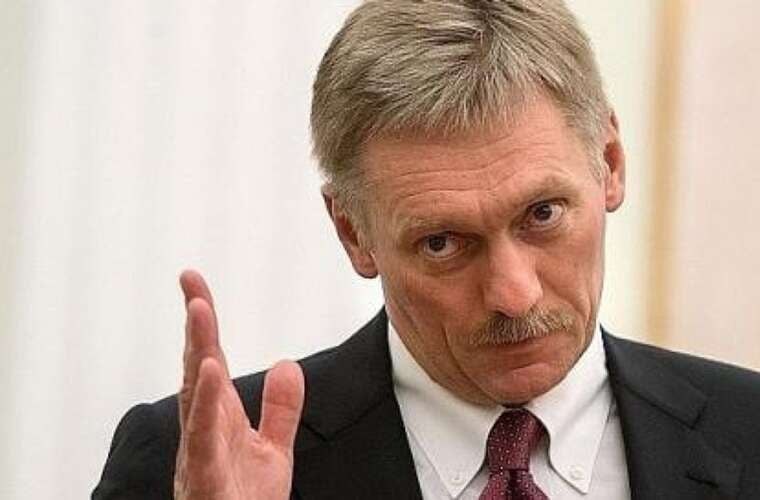
The Kremlin's official spokesperson stated that consultations between Ukraine, the US, and Russia will take place in the UAE in the first half of November.

In Brovary, a woman appeared at a medical facility with an axe, complaining about a loud generator that did not actually exist.
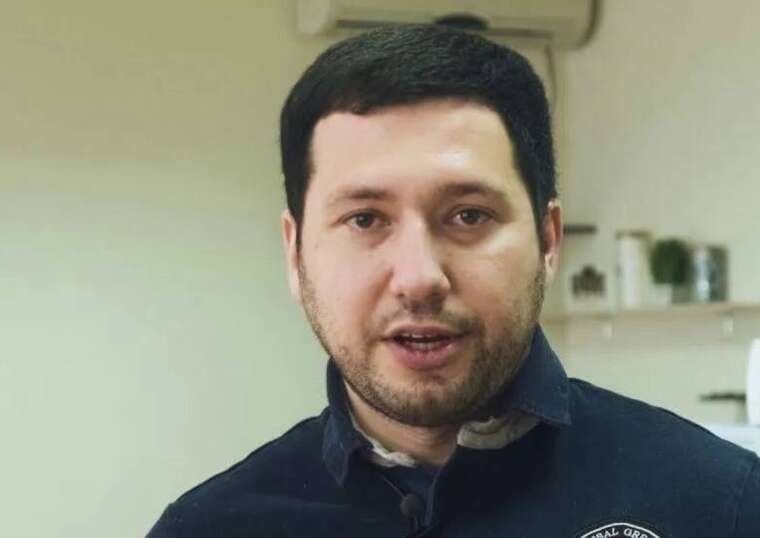
The name of "Servant of the People" representative Dmytro Kyryshun appears in prosecution materials regarding possible police cover-up of illegal drug circulation.
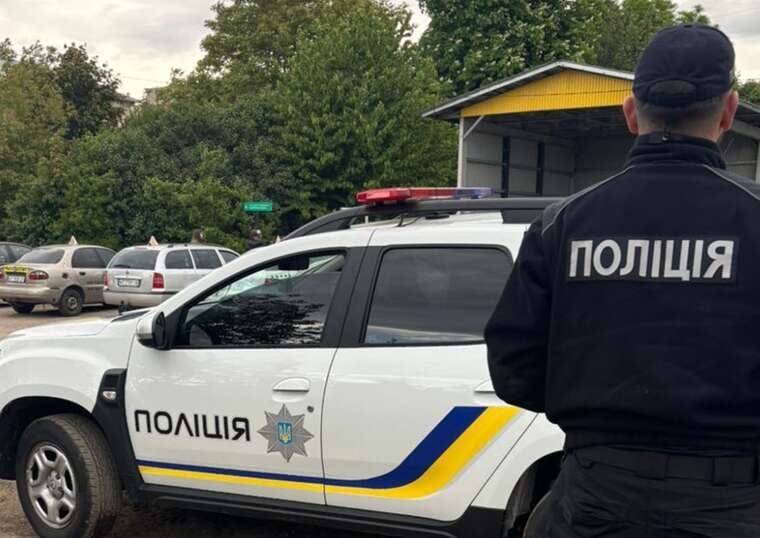
A resident of Kolomyia tried to hand 100 euros to an administrator to pass the practical driving test. The court imposed a fine of 17,000 hryvnia and ordered the confiscation of the funds.
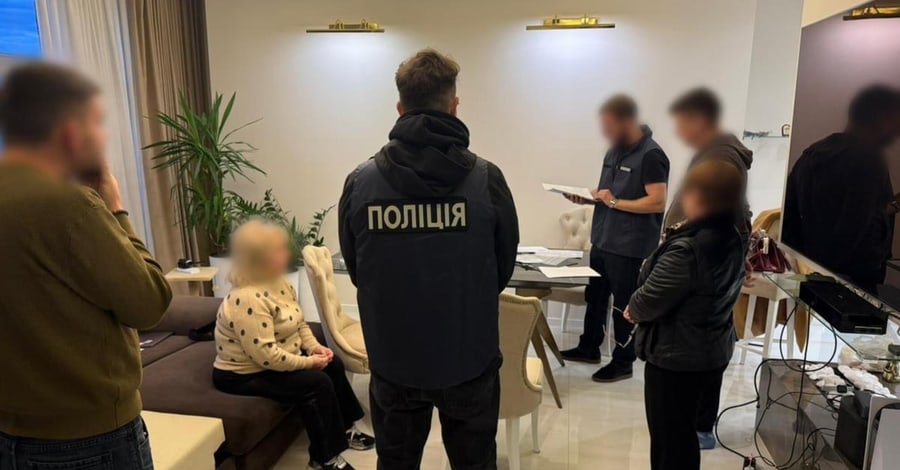
Jointly with the UK's NCA, investigators uncovered a scheme to launder nearly UAH 36 million from distributing prohibited content.

A commercial vessel flying the flag of the Comoros sank 13 nautical miles off Constanta. Rescuers saved nine crew members, one person died.
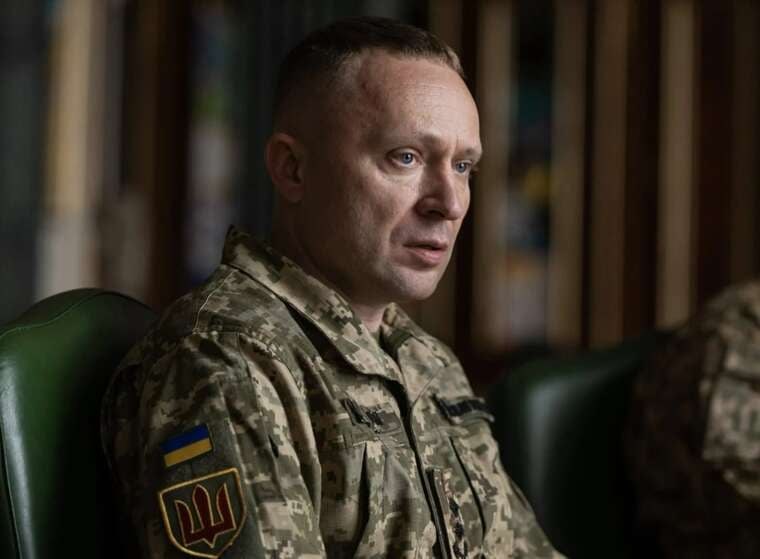
On 7 September, Commander-in-Chief of the Armed Forces of Ukraine Mykhailo Drapatiy signed an order aimed at minimising corruption risks within the military structure. This was reported by sources in the Armed Forces who obtained the document. The main goal of the new measure is to make it difficult for corrupt officials to remain in relatively quiet positions, thereby waiting out the terms of their criminal proceedings.
The document is addressed to the leadership of the General Staff, commanders of branches and types of troops, heads of military administration bodies, educational institutions, and law enforcement agencies of the Armed Forces. In total, the order was sent to 48 recipients.
The text of the order clearly outlines personnel restrictions and disciplinary measures for individuals involved in corruption offences. In particular, a direct ban is established on staffing units with military personnel accused of committing serious or especially serious corruption crimes. This restriction applies even if the court hearing of the case is still ongoing. This provision allows commanders to suspend suspects before an official verdict is handed down.
Roman Verbovskyi, a lawyer at the Anti-Corruption Centre, noted that this decision could affect a significant portion of those accused in NABU and SAP cases who were mobilised into the Defence Forces. «Це доручення може зачепити значну частину обвинувачених у справах НАБУ та САП, які мобілізувалися до Сил оборони, значна частина яких мобілізувались, аби уникнути покарання. Нам відомо про близько 80 фігурантів, які мобілізувалися до Сил оборони» (This order may affect a significant portion of those accused in NABU and SAP cases who were mobilised into the Defence Forces, a significant part of whom were mobilised to avoid punishment. We are aware of about 80 defendants who were mobilised into the Defence Forces), he said.
The publication reminded that the investigation and court hearing of high-profile corruption cases can last for more than a year. For example, in the case of embezzling over UAH 733 million for military food supplies (the so-called "eggs at UAH 17" case), NABU and SAP announced suspicions in April 2025, and the pre-trial investigation was completed in September 2025. However, the referral of the case to court may not happen until next year.
There is also a practice where military personnel with a reprimand for corruption continue to serve for years. An example cited is an episode involving the procurement of firewood, in which Oleh Lupiychuk was involved. At the end of 2024, he received a reprimand. In August last year, he was dismissed from his position in Dnipro following an investigation into fraud, but the very next month Lupiychuk became the head of the Eastern KEU (Economic Management Directorate). A few days later, he was notified of suspicion of negligence in duty. The court chose preventive measures, but after posting bail, he returned to service. According to court rulings dated September 2026, Lupiychuk remains a military serviceman. The new bans from Drapatiy's order may apply precisely to such cases.
According to the document, if a military serviceman commits a corruption or corruption-related offence, but the court does not deprive him of the right to hold certain positions, he must still be held disciplinarily liable.
For military personnel who already have convictions in corruption cases, consideration is provided for transferring them to positions without managerial or economic duties. Military servicemen whose assets the court has deemed unjustified and confiscated for the benefit of the state must be dismissed.
Particular attention in the order is given to the appointment of personnel to Territorial Centres for Recruitment and Social Support, Military Medical Commission, and units responsible for procurement. When making personnel decisions for such positions, it is now mandatory to consider:
These same requirements apply to the Military Law Enforcement Service, legal and anti-corruption services, as well as internal control units.
Commanders are obliged to prevent direct subordination and dependency between close relatives during service.
Reports on individuals held liable, convictions, open proceedings, and confiscations must now be submitted every six months and at the end of the year.
Mykhailo Drapatiy also issued a separate order obliging commanders to ensure the appearance of subordinates before investigators and the court. Providing official duties as a reason for non-appearance is prohibited. Commanders must immediately notify the prosecutor, investigator, or court of any obstacles.
The Department of Corruption Prevention must keep records of those held liable for corruption violations, verify commanders' reactions to such cases, and initiate internal inspections if necessary.
Comments
No comments yet. Be the first!