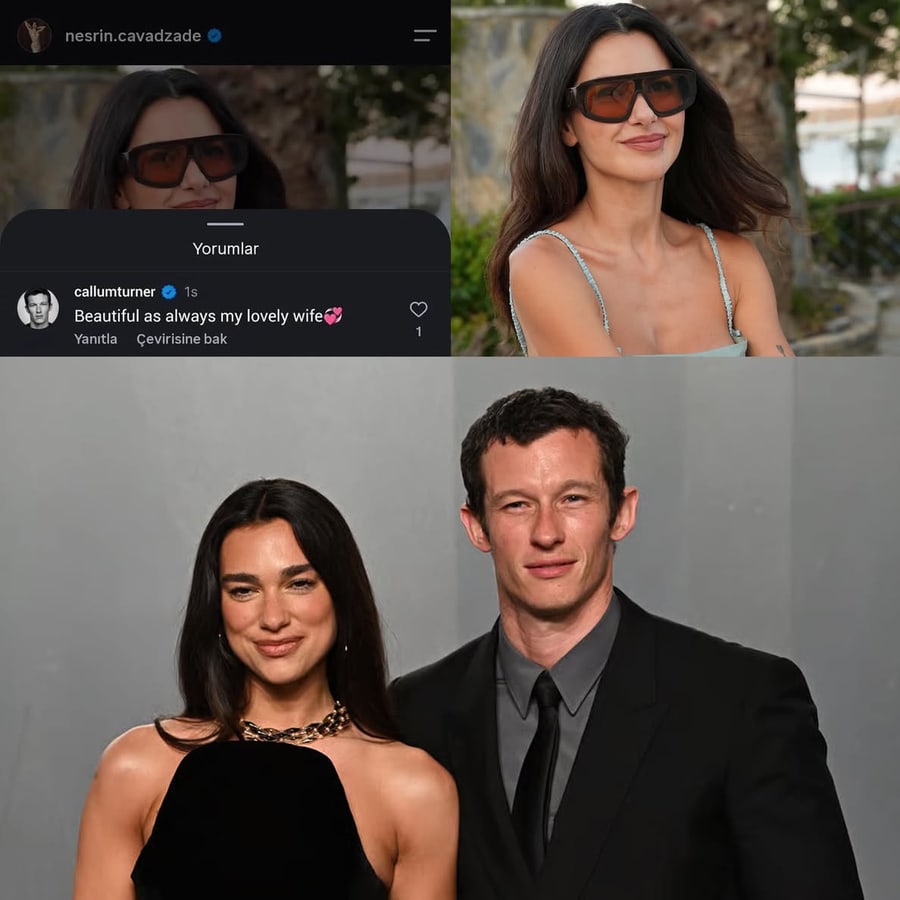
Callum Turner Mistook Turkish Actress for His Wife Dua Lipa
Actor Callum Turner left a comment addressed to his wife Dua Lipa under a photo of Nesrin Cavadzade, but deleted it shortly after.
Actor Callum Turner left a comment addressed to his wife Dua Lipa under a photo of Nesrin Cavadzade, but deleted it shortly after.
In Rivne Oblast, local women attempted to stop the forced transfer of a man to a vehicle by representatives of the Territorial Centre for Recruitment and Social Support.

The database of the US-based intimate services aggregator HOT.com has been made publicly available, containing personal information on millions of sex industry workers.

Deputy head of the Russian Foreign Ministry stated that Russia is ready to continue the trilateral dialogue in the format of the Abu Dhabi meeting, ignoring Europe's participation.

The CIA and two other agencies suffered a cyberattack on an open-source data analysis platform. Investigators believe China may be behind the incident.
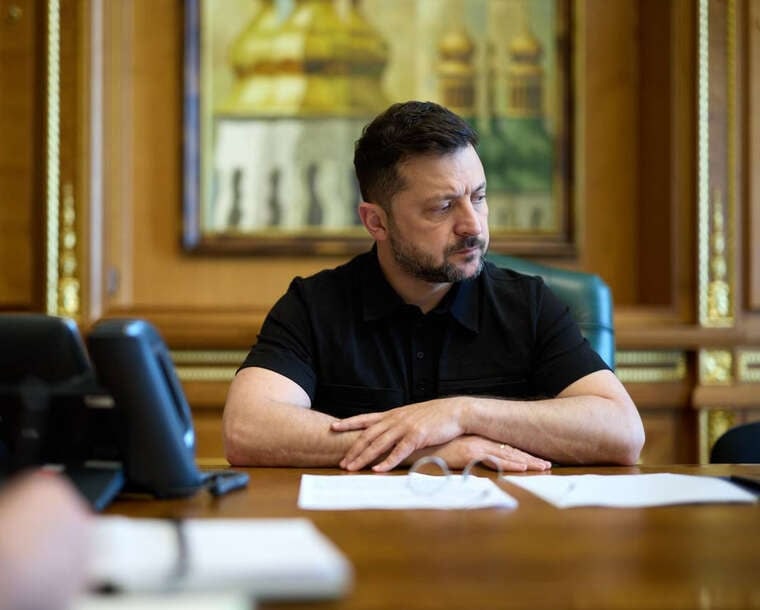
Ukrainian President reported on active repair work following Russian strikes on the energy system and Ukrainian drone hits on an enemy airfield.

Polish law enforcement agencies are investigating an incident that took place on 21 November, when a group of people attacked two Ukrainian citizens in Bydgoszcz.
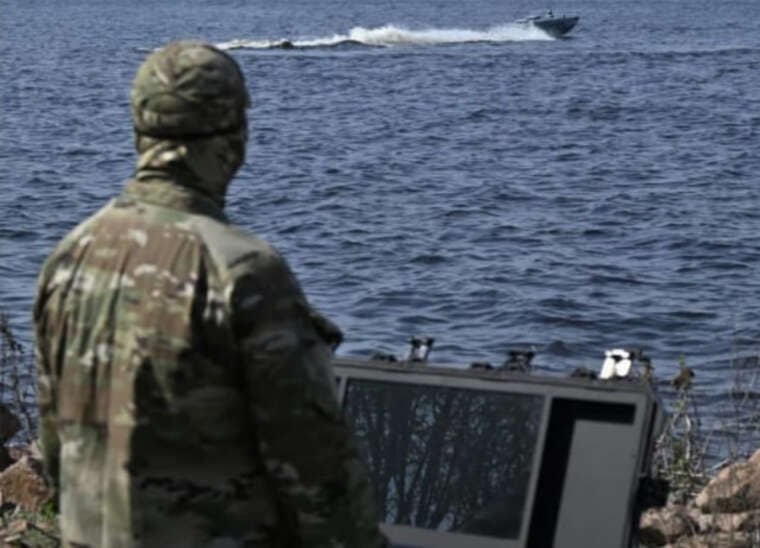
International law experts believe the attack in the Libyan port could have violated the country's neutrality and creates a risk of the conflict spreading beyond Ukraine.
The Ukrainian military operation against Russian vessels in the Libyan port of Benghazi could be classified as a violation of international law. Experts, whose views are cited by Politico, note that this strike may have violated not only legal norms but also Libya's sovereignty. Experts warn that such actions carry the risk of the armed conflict spreading beyond Ukraine.
David Letts, director of the military law program at the Australian National University in Canberra, expressed the view that Libya may have substantial grounds to appeal to the International Court of Justice. In his opinion, sinking vessels in neutral waters is difficult to fit within the framework of legality unless it is proven that Libya is somehow involved in the confrontation between Ukraine and Russia.
«Якщо тільки ви не хочете висунути аргумент, що Лівія якимось чином залучена до конфлікту між Україною та Росією і принцип нейтралітету до неї не застосовується, мені важко уявити, як це потоплення вписується в межі закону» (Unless you want to argue that Libya is somehow involved in the conflict between Ukraine and Russia and the principle of neutrality does not apply to it, I find it hard to imagine how this sinking fits within the bounds of the law), said Letts.
The expert also emphasised the fundamental difference between this attack and previous Ukrainian strikes on Russian vessels in the Black Sea and its ports. According to Letts, those incidents took place in disputed waters, whereas Benghazi is neutral territory.
Issues of neutrality are regulated, among other things, by the Hague Convention of 1907. This document defines the rights and obligations of states that do not participate in an armed conflict. Under the convention's norms, belligerent parties are prohibited from carrying out attacks, establishing blockades, and mining neutral waters.
James Kraska, professor of international maritime law at the Stockton Center for International Law at the US Naval War College, also confirmed the fact of the violation of Libya's neutrality. He explained that such actions could only be legal beyond 12 nautical miles from the coastline. However, within this zone, the attack constitutes a violation.
«Ця атака стала порушенням нейтралітету Лівії. Атака є законною, якщо вона відбувається за межами 12 морських миль від берегової лінії, але, звичайно ж, у межах цієї зони це є порушенням» (This attack became a violation of Libya's neutrality. The attack is legal if it takes place beyond 12 nautical miles from the coastline, but, of course, within this zone it is a violation), he noted.
Experts draw attention to the specific rules governing the presence of warships of the parties to the conflict in the ports of neutral states. Under general neutrality norms, such presence is limited to a period of 24 hours. Permission to remain in port is granted only in exceptional cases: in the event of vessel damage, the need for repairs, or adverse weather conditions.
David Letts emphasised that it is important for Ukraine to adhere to international law, even in the process of countering Russian aggression. He stressed that the system of international law was created to protect the victims of armed conflicts and to limit their scale.
«Цікаво, якою була б реакція, якби це судно пришвартувалося, скажімо, у Генуї або Саутгемптоні, а не в Бенгазі. Створивши систему законів, покликану захищати жертв збройних конфліктів і обмежувати їхні масштаби, чи готові ми попрощатися з усім цим? Чи готові ми просто змиритися з тотальною війною, скасувати всі правила й сказати: "Останні 100 років — марна трата часу. Робіть, що хочете". Я думаю, ні» (It is interesting what the reaction would have been if this ship had docked, say, in Genoa or Southampton, rather than in Benghazi. Having created a system of laws intended to protect the victims of armed conflicts and limit their scale, are we ready to say goodbye to all of this? Are we ready to simply accept total war, cancel all the rules and say: "The last 100 years have been a waste of time. Do whatever you want". I think not), the expert added.
Comments
No comments yet. Be the first!