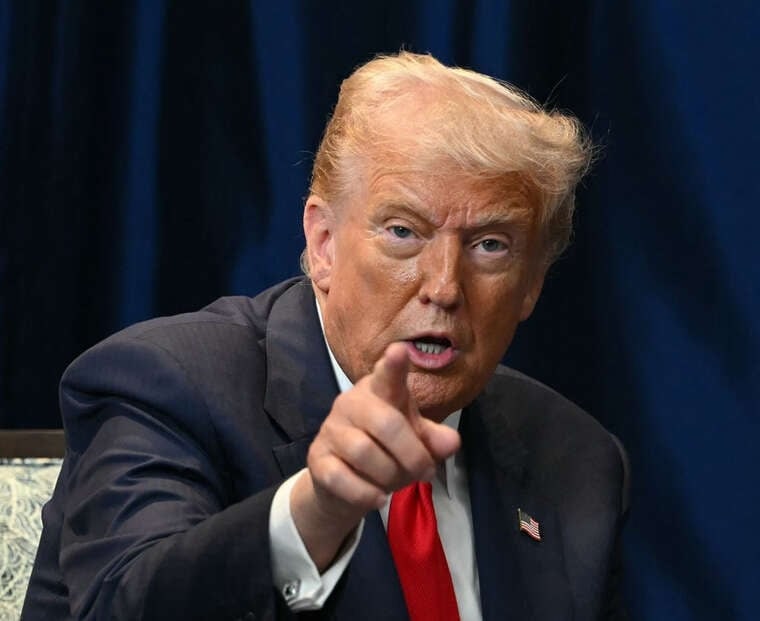
Applebaum: Trump's fuel deal with Russia looks like an attempt to force Ukraine to capitulate
The Atlantic author argues that Donald Trump's diesel deal with Moscow aims not to lower prices, but to pressure Kyiv.
The Atlantic author argues that Donald Trump's diesel deal with Moscow aims not to lower prices, but to pressure Kyiv.

The enemy attacked a civilian facility of the corporation in Vinnytsia and spread false information about drone manufacturing there.
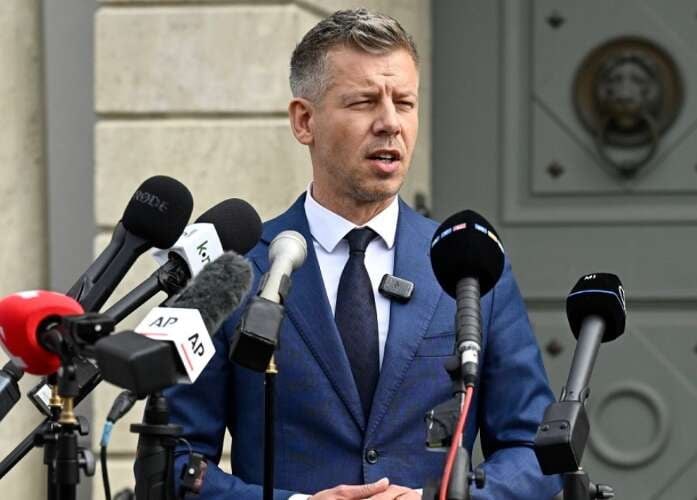
Hungarian Prime Minister stated that amendment signed by Zelensky will significantly simplify use of native language for children in Zakarpattia.
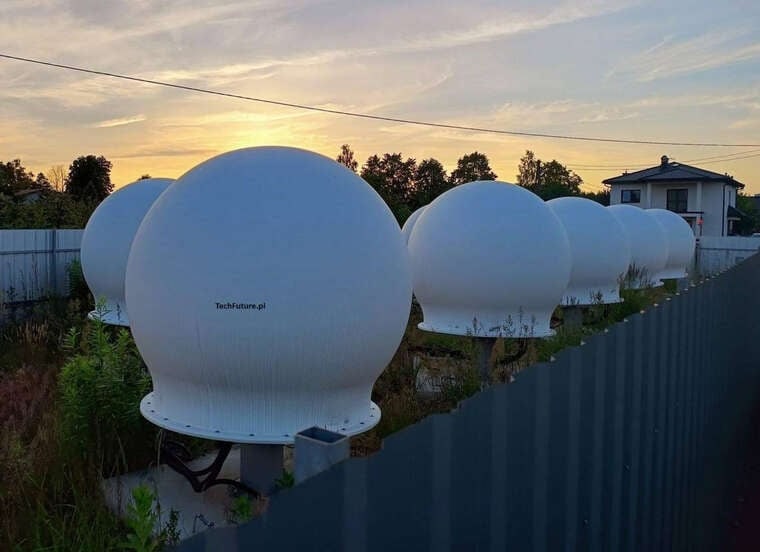
Poland demands extradition of two Turks suspected of sabotage against satellite equipment. Warsaw blames Russian intelligence services for involvement in the incident.
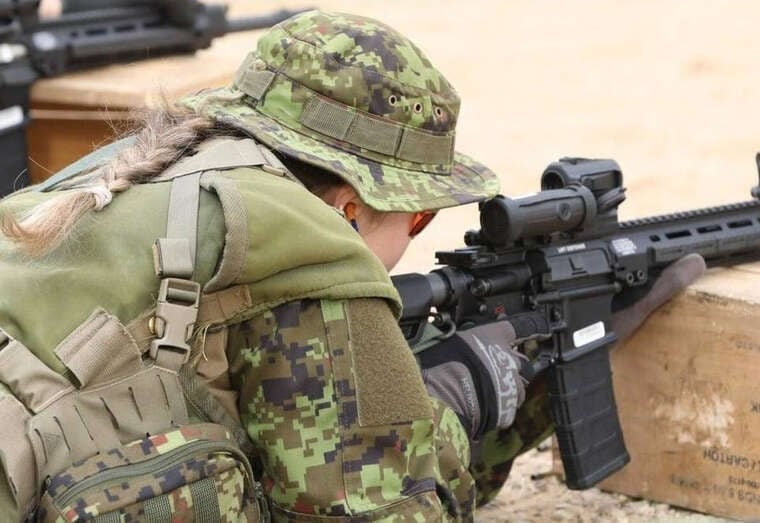
Due to demographic challenges and a shrinking pool of conscripts, Tallinn intends to expand women's participation in military service, increasing the annual voluntary limit from 50 to 200.

Due to the escalating situation in the Middle East, oil export volumes through the key maritime route have sharply decreased, causing global oil prices to rise.
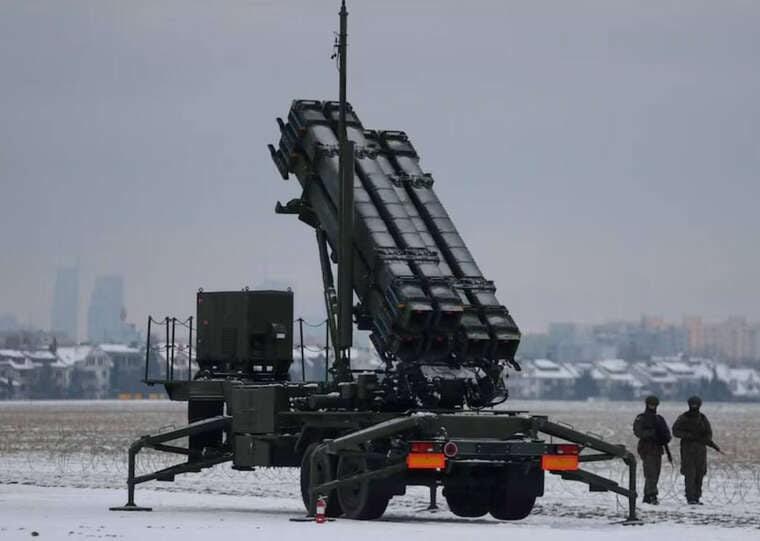
General Ireneusz Nowak stated that Warsaw may receive American interceptors for Patriot systems later than scheduled.
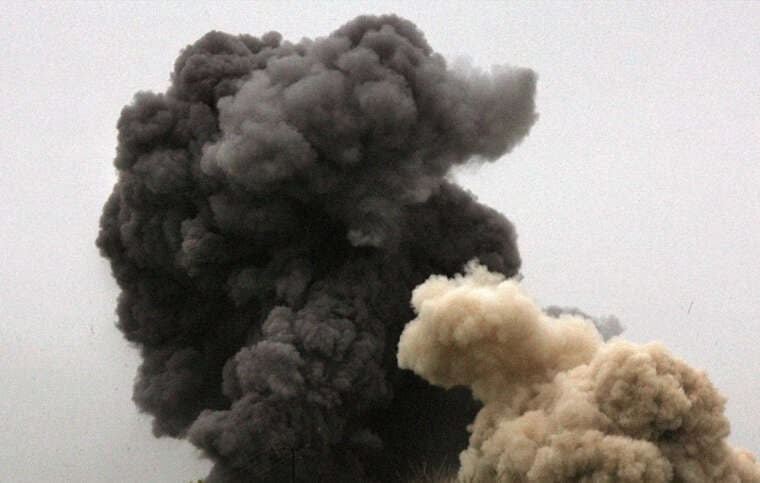
The threat alert in the capital arrived late. The cause is cited as a lack of launch data, although a link to US intelligence has not been confirmed.
The diesel deal that US President Donald Trump struck with Russia looks like an attempt to force Ukraine to capitulate. This is stated by Anne Applebaum, author for The Atlantic.
Trump tried to convince Americans that this deal would lead to a drop in fuel prices. However, as Applebaum notes, the volumes of Russian exports are too small to significantly affect pricing. The journalist believes that Trump likely tried to convince voters that the cause of high prices is Ukraine's strikes on Russian oil refineries, rather than the war in Iran that he unleashed.
Applebaum emphasises that the situation ahead of the mid-term elections on 3 November is unlikely to change in favour of Trump and the Republicans. "In the last 72 hours, Donald Trump stopped pretending, burned through several decades of American politics, and undermined 18 months of his own diplomacy," she wrote.
Since the start of Trump's second term, US allies have tried to explain to him the significance of Russia's war against Ukraine and the threat Russia poses to the situation in Europe, the Middle East, and Africa. Instead, the US President chose the side of Vladimir Putin. According to Applebaum, this became the main signal for US partners: "Do not rely on the United States."
"America is now a capricious, unpredictable state whose foreign policy can change impulsively on a daily basis," the journalist explained.
Separately, Applebaum focuses on the corruption within Trump's inner circle. She mentions negotiations regarding the acquisition of assets of the Russian company Lukoil by a consortium that includes Trump's key negotiators Steve Witkoff and Jared Kushner, Trump's daughter Ivanka, and Witkoff's son.
"Even if none of these deals are ever concluded, the very fact that Trump's negotiators are discussing them gives the Russian regime grounds to believe that it can continue the war with impunity," the article's author emphasised.
Despite this, Applebaum concludes: "However, democracies can cooperate without a US president."
Comments
No comments yet. Be the first!