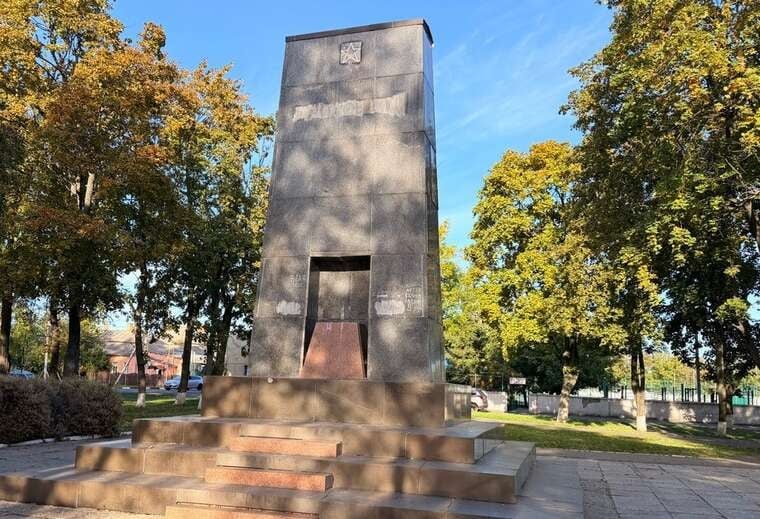
Podilsk plans to reinter Kotovsky from mausoleum to cemetery
Local authorities in Odesa Oblast are preparing a decision to transfer the remains of Soviet military figure Grigory Kotovsky from a monument in a park to a local cemetery.
Local authorities in Odesa Oblast are preparing a decision to transfer the remains of Soviet military figure Grigory Kotovsky from a monument in a park to a local cemetery.
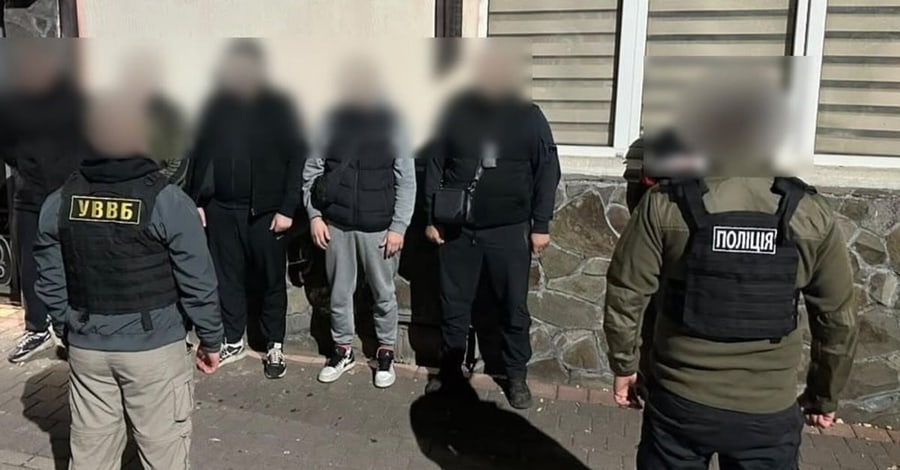
A 35-year-old organiser was detained in the settlement of Vyllok, where he planned to illegally smuggle five individuals into EU countries for $50,000.
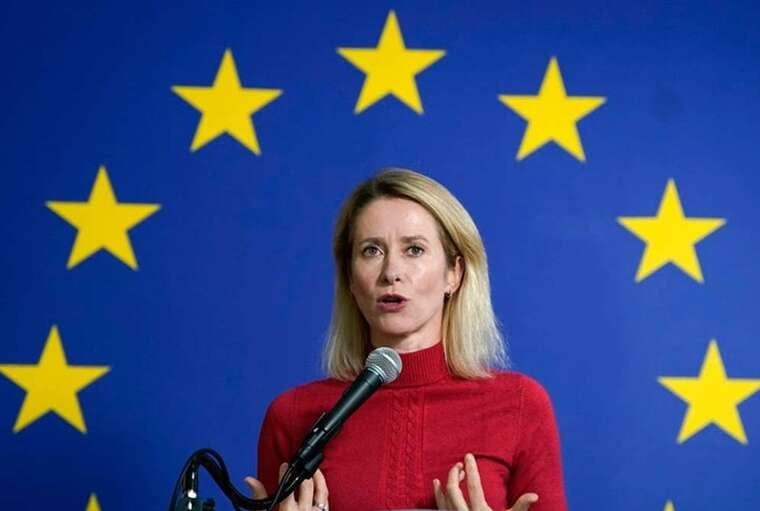
EU top diplomat stressed that limiting Russia's oil revenues is key to ending the war, and called for increasing pressure on the aggressor, not Kyiv.

The internet is discussing Barbara Thornhill's appointment to a post in the US State Department. Users are mocking her image, referencing conspiracy theories and plastic surgery.
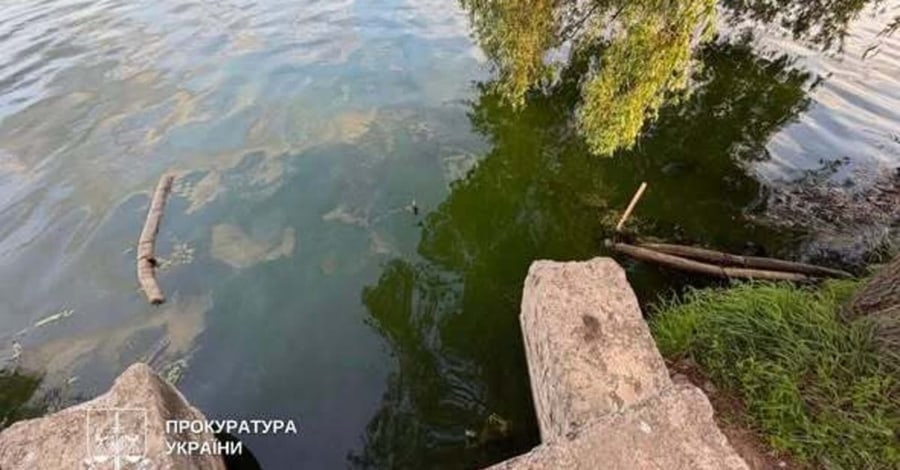
An official of the municipal enterprise is accused of allowing oil products to enter the lake due to faulty sewage facilities, exceeding standards by 120 times.
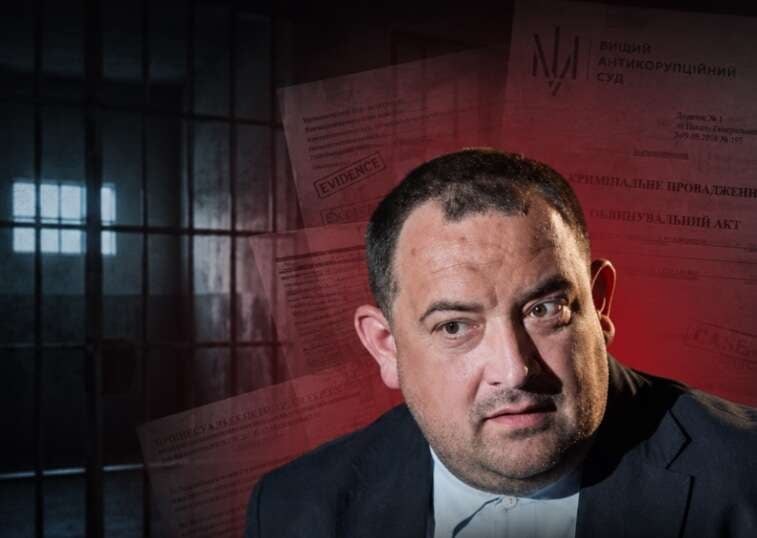
The Higher Anti-Corruption Court has concluded the SAO representative's statement in the case of Serhiy Kuzminykh. The prosecution is seeking imprisonment and a change of preventive measure to detention.
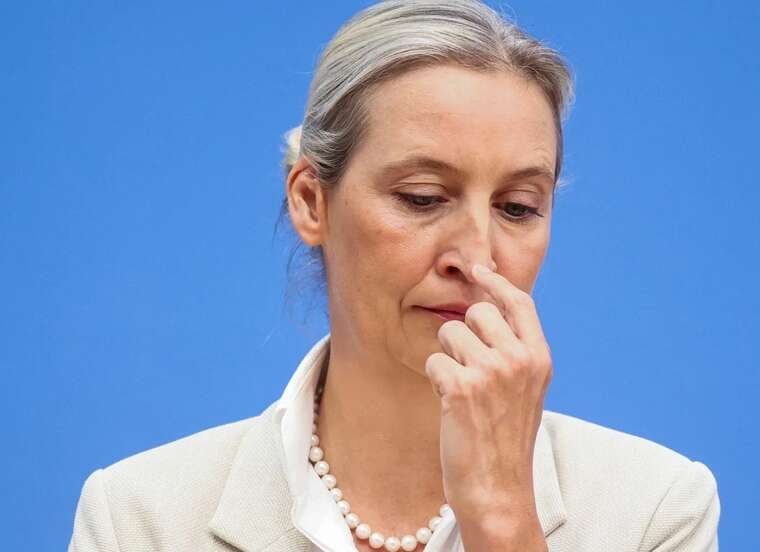
The politician stated that Ukraine has lost the war and that Germany should focus on domestic issues while pressuring President Volodymyr Zelensky.
NABU detectives detained a co-participant in the corruption scheme who had been evading the investigation for over two and a half months.
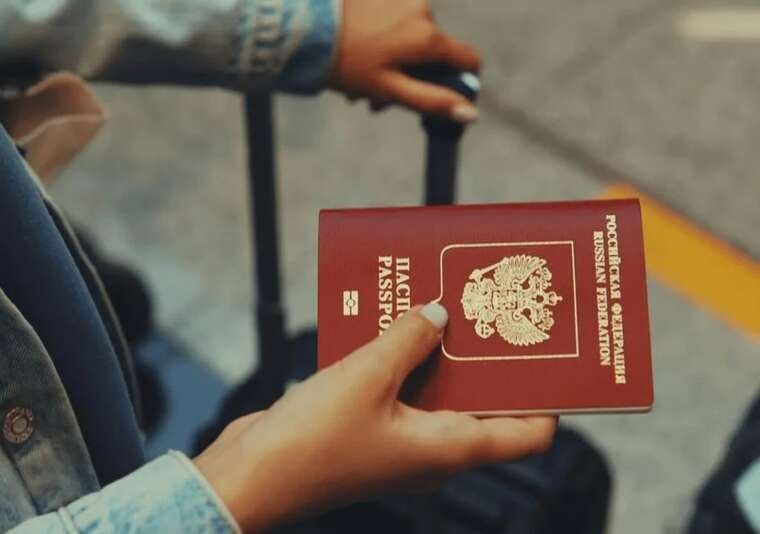
The European Union is developing a new strategy aimed at restricting access to the Schengen area for citizens of the Russian Federation. The main goal of the initiative is a significant reduction in the number of tourist entry permits starting from 2027. This was stated by Maciej Duszczyk, Deputy Minister of Internal Affairs of Poland.
The European Commission intends to present a draft of the relevant amendments in January next year. The idea of introducing stricter rules is supported by Poland, Sweden and Estonia.
An analysis of last year's data shows that Schengen area countries issued approximately 623,000 visas to Russian citizens. This figure is 10% higher than the previous year's level. Of the total number, 478,000 permits were issued specifically for tourist purposes. France, Italy and Spain led in the number of visas issued. Meanwhile, Poland, Denmark, Sweden and Romania issued the fewest visas to Russian citizens.
Gunnar Strömmer, Sweden's Minister of Justice, noted that the current system contains vulnerabilities exploited by opponents of Europe. In his words, strengthening control is critically important in the context of the threat of sabotage, arson and other forms of hybrid operations, which, in his belief, are organised by the Kremlin. Stockholm seeks to have the new restrictive measures enter into force before the official publication of the document draft in January.
An even sharper position was expressed by Sweden's Minister for Migration, Johan Forssell. He drew attention to the contrast between the behaviour of many Russian tourists, who spend luxurious holidays shopping in European capitals, and the fate of Ukrainians who are dying in bomb shelters in their own homeland. Forssell called such a situation absolutely unacceptable.
Estonia, for its part, proposed to completely ban entry into the EU for individuals who previously served in the Russian armed forces. According to an estimate by Foreign Minister Margus Tsahkna, such a ban would affect approximately 650,000 people. He added that some of them travel with the support of Russian special services and may pose a security threat, ranging from organised crime to terrorist acts.
Comments
No comments yet. Be the first!