The American side presented allies in Europe with a plan for the partial unblocking of frozen Russian funds. The aim of the proposal is to resume peace negotiations. To this end, a certain portion of the assets is to be transferred to a mechanism that will be under Washington's control.
Negotiations in Miami and the role of key figures
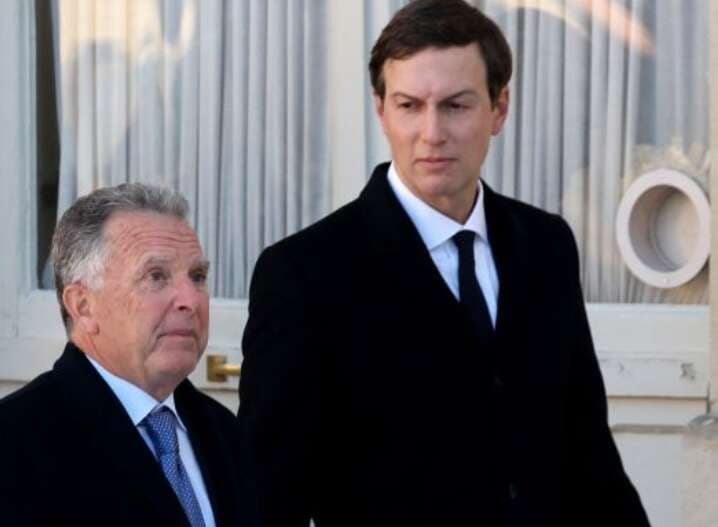
Details of this plan were discussed last week during a meeting in Miami. On behalf of the US, the discussion involved presidential special envoy Steve Witkoff and Donald Trump's son-in-law Jared Kushner. American negotiators proposed several options for implementing the concept, including the formation of a separate financial instrument under US oversight.
Russian assets were considered as a component of a comprehensive peace deal. Meanwhile, the specific conditions for unfreezing and the allocation of funds remain undetermined at present.
Position of European partners
European delegates rejected the proposal formulated by Witkoff and Kushner.
The conversation concerns significant volumes of capital. According to data, the European Union and G7 countries have frozen approximately €300 billion in Russian assets. Of this amount, approximately €180 billion is held in the Belgian depository Euroclear.
Context: failed attempts at a 'reparations loan'
At the end of 2025, EU country leaders failed to reach an agreement on the creation of a so-called 'reparations loan' for Ukraine, secured by these funds. Instead, Kyiv gained access to a loan of €90 billion, allocated for 2026–2027.
Meanwhile, Ukraine continues to seek its own ways to access frozen Russian funds. Against the backdrop of a significant budget deficit, Ukrainian diplomats have intensified their work with the EU, in the banks of which the majority of Russia's frozen funds are held.


Comments
No comments yet. Be the first!