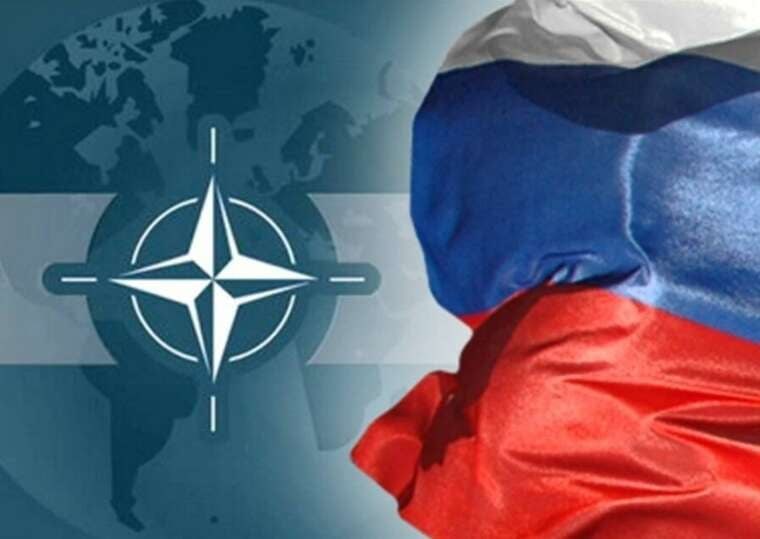
The Russian Federation is attempting to use trilateral negotiations with the US and Ukraine in Abu Dhabi to achieve a fundamental revision of the security system in Europe. According to the Institute for the Study of War (ISW), Moscow is effectively returning to the ultimatums it presented to Washington and the North Atlantic Alliance in 2021.
Security architecture priority over ceasefire
The ISW report highlights the position of Russian Foreign Minister Sergey Lavrov. He stated that it is necessary to first agree on the future security architecture in Europe, and only then proceed to resolving the war in Ukraine. Lavrov characterised such an approach as "абсолютно розумний" (absolutely reasonable).
A similar view was confirmed by an unnamed source within the Russian delegation at the Abu Dhabi talks. According to him, a ceasefire in Ukraine is just one item in a broader discussion on European security. This topic, as intended by the Kremlin, is to become the main focus of the negotiation process.
Return to 2021 demands
ISW analysts note that the discussion on European security architecture is directly linked to Russia's demands from December 2021. At that time, Moscow demanded that NATO stop deploying new weapons and military personnel in states that joined the Alliance after 1997.
Such conditions would, in essence, grant Russia a veto over NATO policy and limit the sovereign choice of states regarding joining the North Atlantic Alliance.
Contradiction with US position
ISW emphasises that the Kremlin has recently renewed its initial demands on NATO. This contradicts the position of US Presidential Special Envoy Jared Kushner, who stressed that every country must retain its sovereignty and full authority over its own security and alliances after peace negotiations to end the war in Ukraine. According to Kushner, NATO will remain a central element of Europe's collective defence.
«Кремль роками намагається виправдати агресію проти України вигаданою загрозою з боку НАТО. Москва стверджує, що можливе членство в Альянсі нібито загрожувало безпеці РФ і було однією з "корінних причин" війни, які мають усунути мирні переговори. Водночас у період від 2008-го до 2022 року ні НАТО, ні Україна не зробили суттєвих кроків для вступу нашої держави до Альянсу» (The Kremlin has been trying for years to justify aggression against Ukraine with a fabricated threat from NATO. Moscow claims that possible membership in the Alliance allegedly threatened Russia's security and was one of the "root causes" of the war that peace negotiations must eliminate. Meanwhile, during the period from 2008 to 2022, neither NATO nor Ukraine took significant steps towards our state's accession to the Alliance), the analysts explained.
Experts also emphasised that NATO has never posed a threat to Russia's security. Meanwhile, Russian dictator Vladimir Putin launched an invasion of Ukraine in 2022 with the aim of destroying the unity of NATO and the West.
«Тривала кампанія когнітивної війни Кремля, яка хибно звинувачує НАТО та Україну в загрозі суверенітету Росії, має на меті виправдати зусилля Росії щодо відновлення контролю над колишніми радянськими державами і не відображає справжньої стурбованості РФ своєю безпекою» (The Kremlin's prolonged campaign of cognitive warfare, which falsely accuses NATO and Ukraine of threatening Russia's sovereignty, aims to justify Russia's efforts to restore control over former Soviet states and does not reflect Russia's genuine concern for its security), ISW concluded.


Comments
No comments yet. Be the first!