
270 servicemen returned to Ukraine in new exchange with Russia
For the first time in the past two months, a prisoner exchange agreement was implemented, resulting in the return of 270 defenders to their native land.
For the first time in the past two months, a prisoner exchange agreement was implemented, resulting in the return of 270 defenders to their native land.

The Primorsky District Court of Odesa sentenced Artur Lutsyk for attempted fraud involving the production of forged documents certifying unfitness for military service.
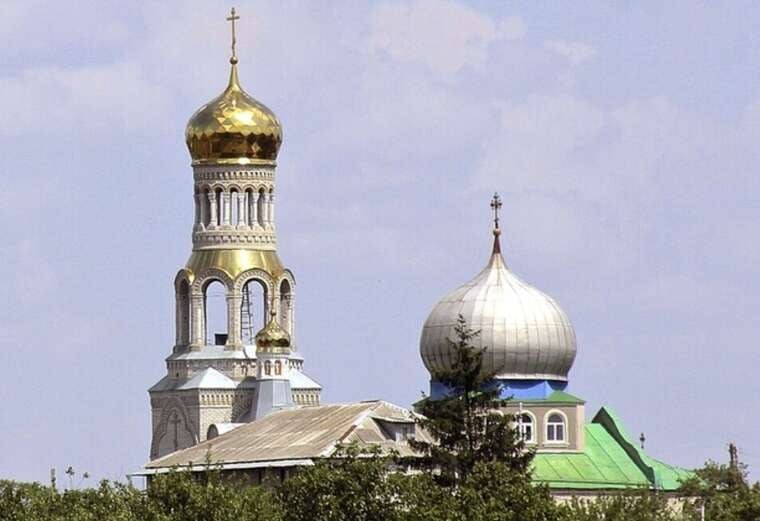
The Sixth Administrative Court of Appeal upheld the claim to terminate the religious structure's activities due to the leader's conviction, but refused to transfer assets to the state due to a legislative gap.
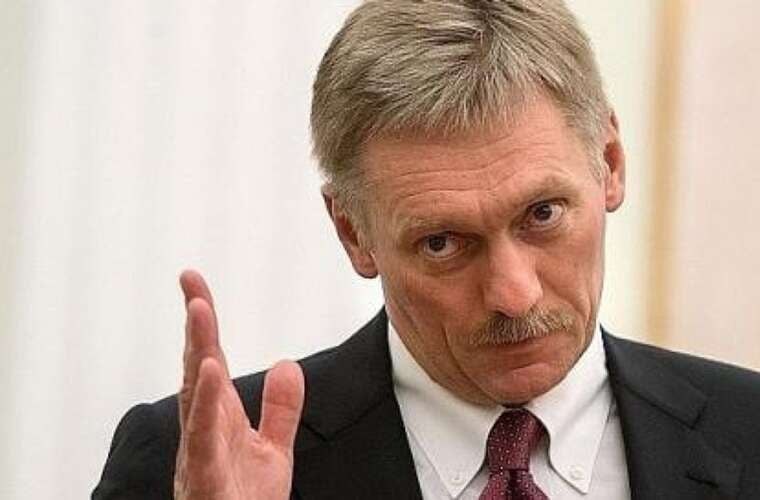
The Kremlin's official spokesperson stated that consultations between Ukraine, the US, and Russia will take place in the UAE in the first half of November.
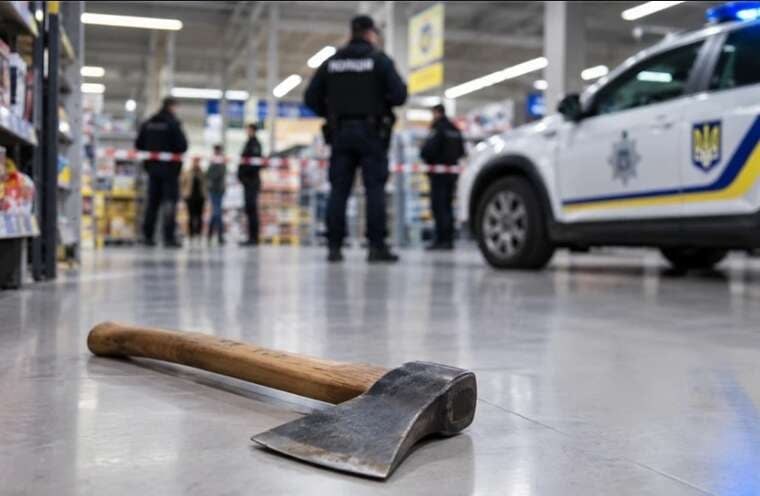
In Brovary, a woman appeared at a medical facility with an axe, complaining about a loud generator that did not actually exist.
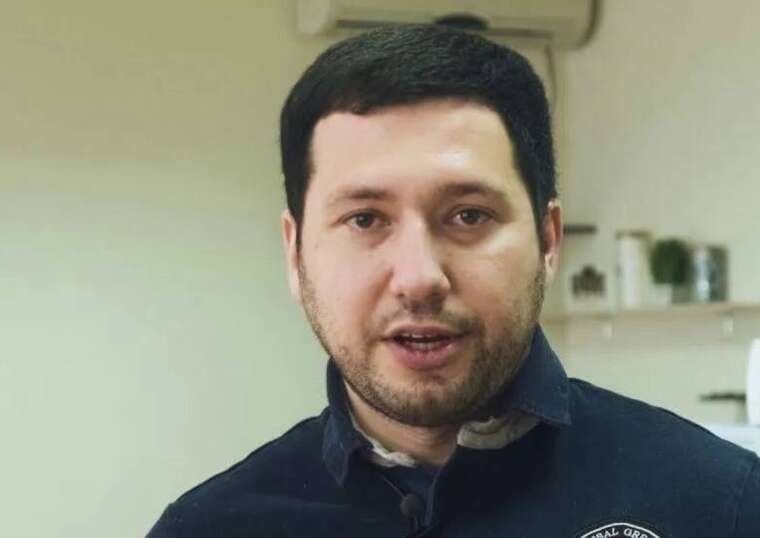
The name of "Servant of the People" representative Dmytro Kyryshun appears in prosecution materials regarding possible police cover-up of illegal drug circulation.
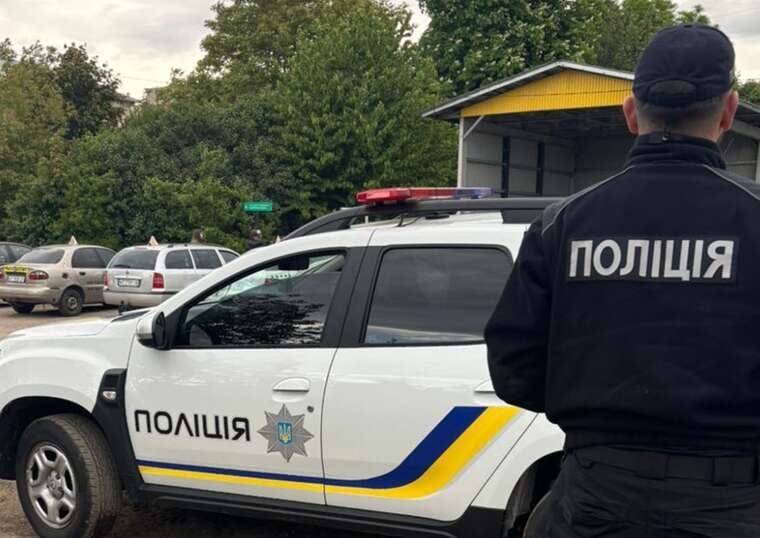
A resident of Kolomyia tried to hand 100 euros to an administrator to pass the practical driving test. The court imposed a fine of 17,000 hryvnia and ordered the confiscation of the funds.
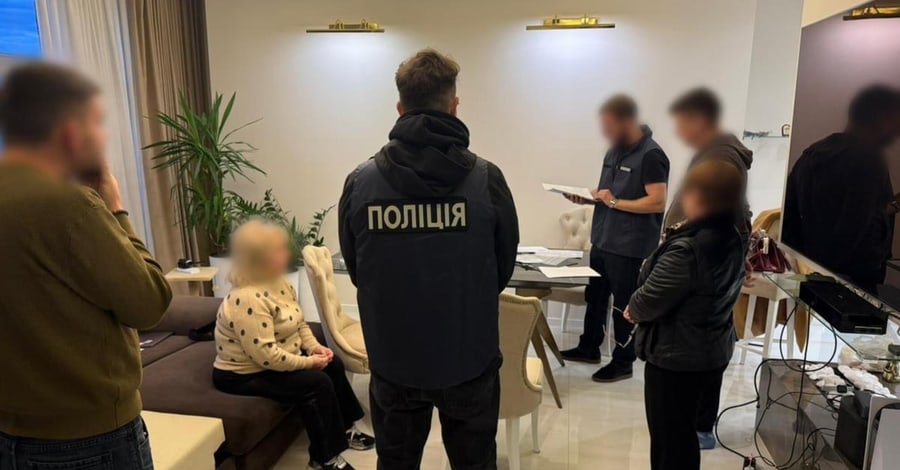
Jointly with the UK's NCA, investigators uncovered a scheme to launder nearly UAH 36 million from distributing prohibited content.
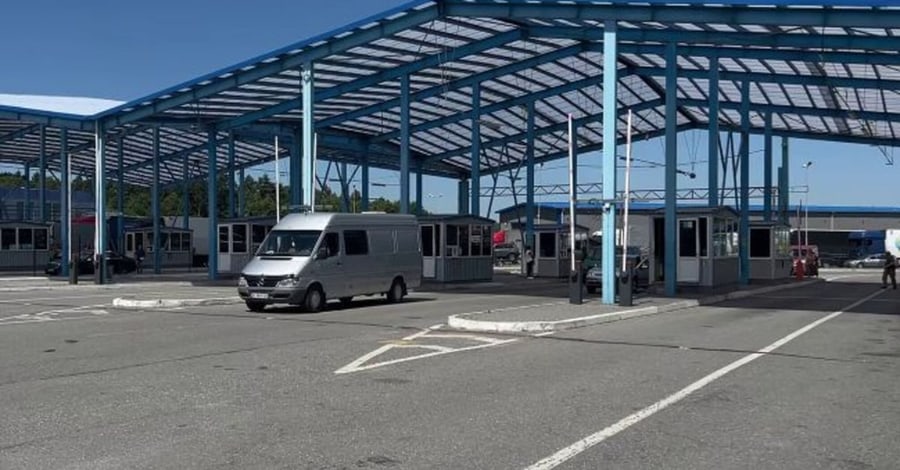
The Ukrainian side is in negotiations with Poland and Slovakia regarding changes to the customs clearance procedure for freight transport carrying agricultural products. The initiative provides for the possibility of conducting some checks on the territory of these European states. This step aims to reduce the number of trucks waiting at the border for extended periods and lower risks for drivers and cargo against the backdrop of regular Russian drone strikes.
As reported by Financial Times, Reuters, and RBC-Ukraine, citing sources familiar with the course of discussions, Kyiv seeks to adapt logistics processes to new security realities. This is not about fully relocating border crossing points, but rather about delegating part of customs functions to neighbouring countries.
Georgy Tikhy, spokesperson for the Ministry of Foreign Affairs of Ukraine, emphasised that the need for changes is linked to new security circumstances. According to him, Ukraine is trying to reach agreements as soon as possible, especially with the Polish side. It is worth noting that similar experience of joint border control already exists between Ukraine and Moldova, and this mechanism is now proposed to be extended to other directions.
Currently, no official agreements have been concluded on moving customs control to the territory of Poland or Slovakia. The Polish side is demonstrating caution regarding a possible increase in the transit of Ukrainian agricultural products. The Polish Ministry of Infrastructure stated that it does not plan changes that would stimulate an increase in such volumes, although Warsaw had previously agreed to expand joint procedures to speed up the passage of transport.
The issue remains delicate due to the existing restrictions on the import of Ukrainian grain, established by Poland, Hungary, and Slovakia. The transit of Ukrainian products through the territory of these states is permitted with certain limitations.
The load on road border crossing points remains critical. According to RFI data, as of 22 October, the following queue figures were observed on certain sections of the Ukrainian-Polish border:
Such a concentration of vehicles on open road sections creates a serious threat to drivers' lives under Russian attacks. At the same time, moving customs checks alone does not guarantee the elimination of queues. This requires developed infrastructure, a sufficient number of customs officers, and a clearly agreed algorithm for passage.
The search for alternative logistics solutions is also driven by the reduction in sea export capabilities due to Russian strikes on Black Sea ports. Taras Vysotsky, the Minister of Agriculture of Ukraine, reported that in September the country exported 2.4 million tonnes of agricultural products, which is only 46% of the potential volume. In particular, grain exports amounted to 1.4 million tonnes, or about 38% of the possible figure.
According to Vysotsky, without full access to the Black Sea, Ukraine can realise only 45–50% of its export potential. Therefore, maintaining and optimising alternative routes have become a priority.
The Danube direction is being actively used. According to European Commission data, the volume of Ukrainian cargo transported via this route increased from approximately 600,000 tonnes in August to 1.16 million tonnes in September. Meanwhile, river transport is limited by low water levels after the summer drought and the capacity of canals.
Ukraine is also considering exports through Baltic Sea ports, but Financial Times notes that such routes are significantly more expensive than Black Sea ones. Additional obstacles are railway congestion and the need to transship cargo due to different track gauges.
According to Interfax-Ukraine data, in September, the transit of grain and oilseed crops through Slovakia increased by 62%, through Moldova by 60%, and through Hungary by 9%. Despite the development of these directions, the full restoration of Black Sea exports remains a key task for the agricultural sector.
Against this backdrop, negotiations with European partners on changing customs procedures are ongoing. The main goal of the initiative is to minimise the accumulation of trucks in the border zone and protect supply chains of Ukrainian agricultural products from the destructive actions of Russian drones.
Comments
No comments yet. Be the first!