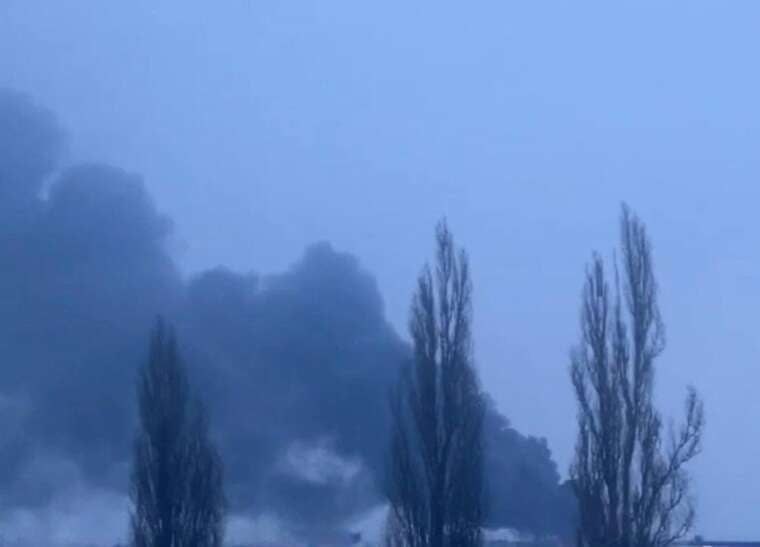
Drones damage residential building and cars in Kharkiv
Enemy UAVs struck the Novobavarskyi and Osnovyanskyi districts. Preliminary data indicates no casualties.
Enemy UAVs struck the Novobavarskyi and Osnovyanskyi districts. Preliminary data indicates no casualties.
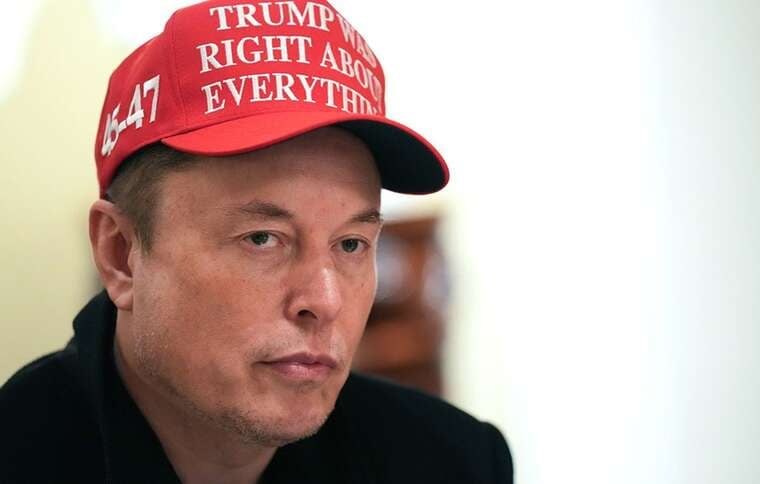
Elon Musk sharply responded to claims of Ukraine support among MAGA followers, calling opponents "pieces of skin".
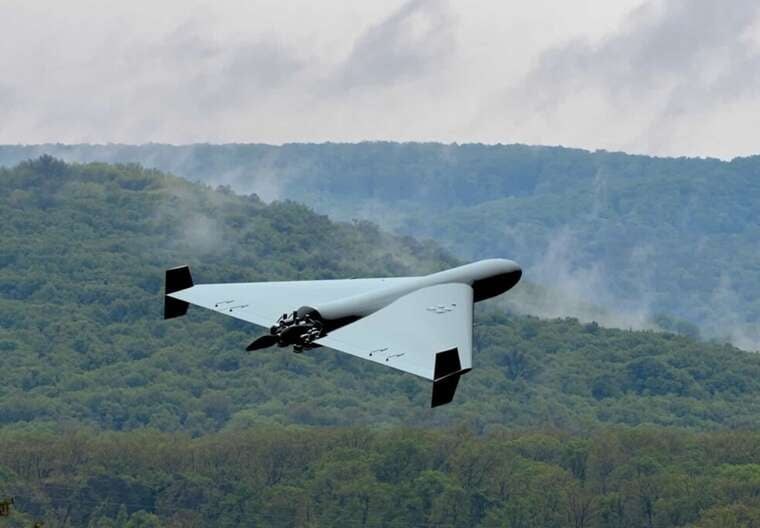
Russian occupation forces attacked civilian infrastructure in Poltava, damaging a shopping centre.
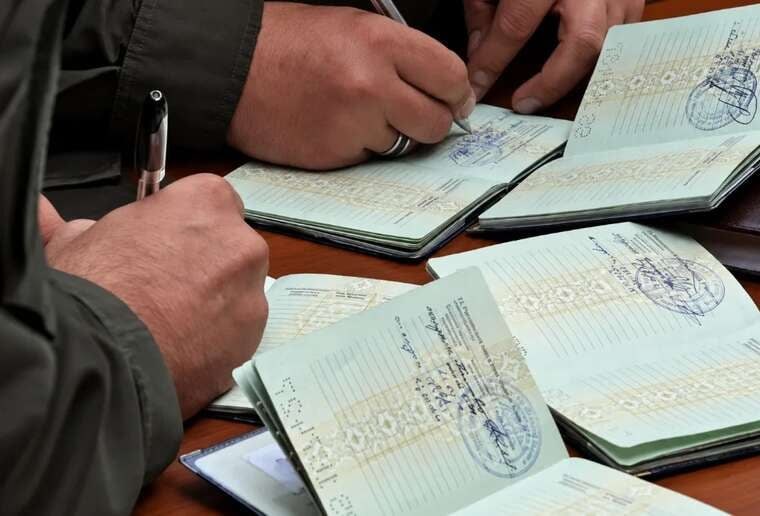
The Cassation Administrative Court reviewed the government's appeal against the finding that automatic registration in the Trembita system is unlawful. The Cabinet of Ministers was denied a stay of the ruling.
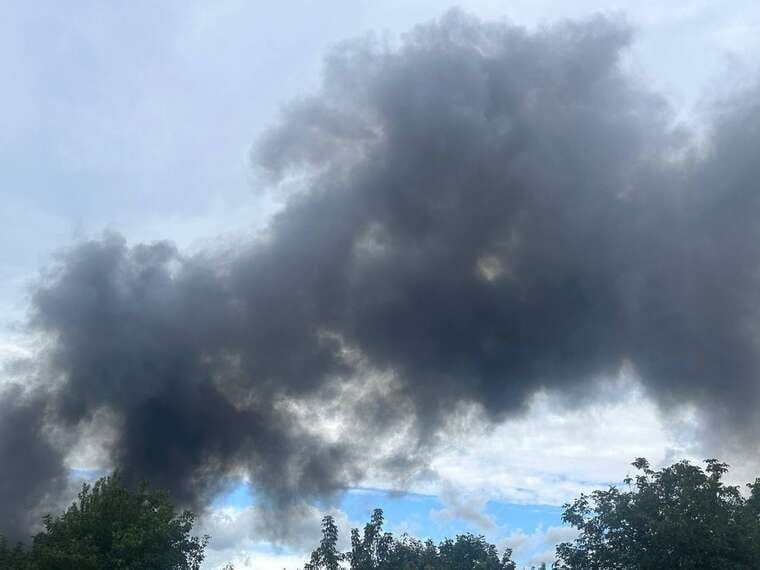
Oleh Syniehubov reported the death of a man and injuries in Lozova, Kharkiv and other districts of the region following missile and drone strikes.
Witnesses suspect the incident in the capital may be linked to mobilisation.
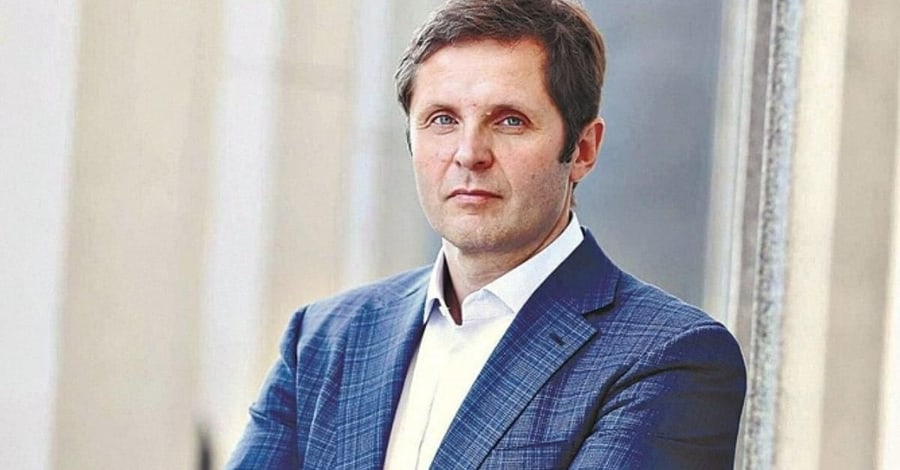
Journalists established that the former MP's family bought real estate in Austria in 2013. The investigation also revealed the politician's links to the tobacco business and the Medvedchuk family.
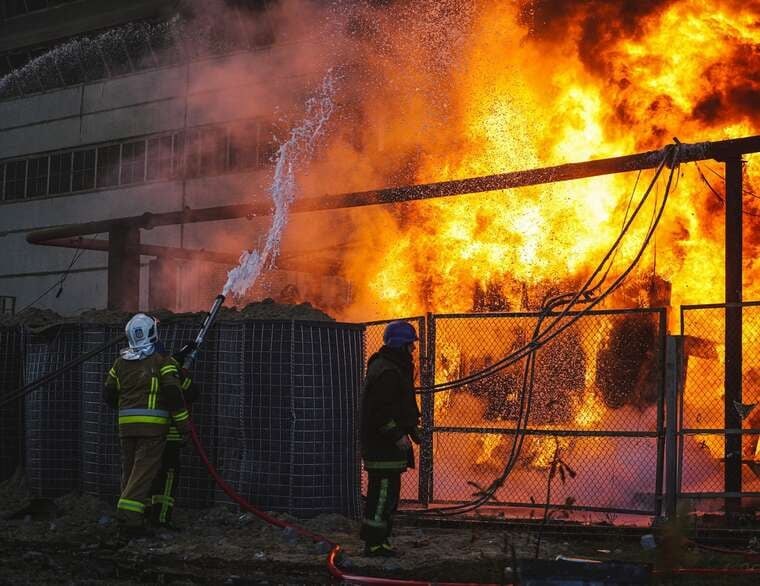
Chernihiv Regional Military Administration reported the aftermath of UAV strikes on Novhorod-Siversk, Chernihiv and Koriukivka community over the past 24 hours.
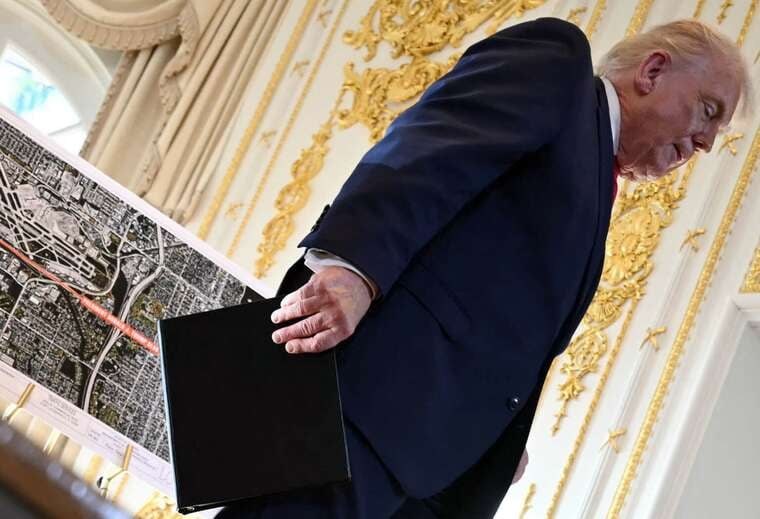
The Guardian columnist Steve Bloomfield expressed the view in his opinion column that US President Donald Trump could use the final two years of his presidency to entrench a new world order. Under this scenario, the United States, Russia and China would divide the planet into separate zones of influence.
The author recalls that his predecessors also tried to leave a mark on politics at the end of their terms. George Bush Sr. intervened in the Somali civil war, Bill Clinton sought to resolve the Israeli-Palestinian conflict, and Barack Obama achieved normalisation of relations with Cuba and signed a nuclear deal with Iran.
However, according to Bloomfield, the legacy of the current US president could prove significantly more dangerous. He identifies the key risk as the proposed trilateral meeting next month between Donald Trump, Russian dictator Vladimir Putin and Chinese leader Xi Jinping, which is likely to take place in China.
«Така безпрецедентна зустріч, якби вона відбулася, мала б потенційно руйнівні наслідки для решти з нас. Троє лідерів мають амбіції змінити спосіб управління світом, по суті розділивши його на сфери впливу» (Such an unprecedented meeting, if it were to take place, would have potentially devastating consequences for the rest of us. The three leaders have ambitions to change the way the world is governed, effectively dividing it into spheres of influence), the columnist notes.
The journalist emphasises that the meeting itself will not lead to an immediate division of the world into three blocs. However, it is from this point that a dangerous, irreversible process could begin.
In Bloomfield's view, such a development threatens not only Ukraine. If Washington refuses to support European countries in confronting the Russian threat, the consequences will be felt across the entire continent. Moreover, the weakening of US security guarantees in Asia will create additional risks for Taiwan, South Korea, Japan and Australia.
The author also draws attention to the strategic interests of the three states in the fields of technology, control over supply chains, energy resources and space programmes. In this context, traditional US allies risk being sidelined in new arrangements.
«Ми багато говорили про кінець Заходу протягом останніх двох років – і здається, що зараз настав момент, коли багато з цих побоювань можуть справдитися» (We have talked a lot about the end of the West over the past two years – and it seems that the moment has now arrived when many of these fears may come true), Bloomfield writes.
At the same time, the commentator warns that the proposed format does not necessarily have to turn into a permanent geopolitical alliance. Future US presidents may abandon rapprochement with authoritarian leaders. However, the very fact of such a meeting is capable of strengthening the international positions of Vladimir Putin and Xi Jinping.
«Образ трьох лідерів стане символом епохи, коли міжнародний порядок, заснований на правилах, був зруйнований і почав формуватися новий, невизначений період» (The image of the three leaders will become a symbol of an era when the rules-based international order was destroyed and a new, uncertain period began to take shape), the journalist concludes.
Comments
No comments yet. Be the first!