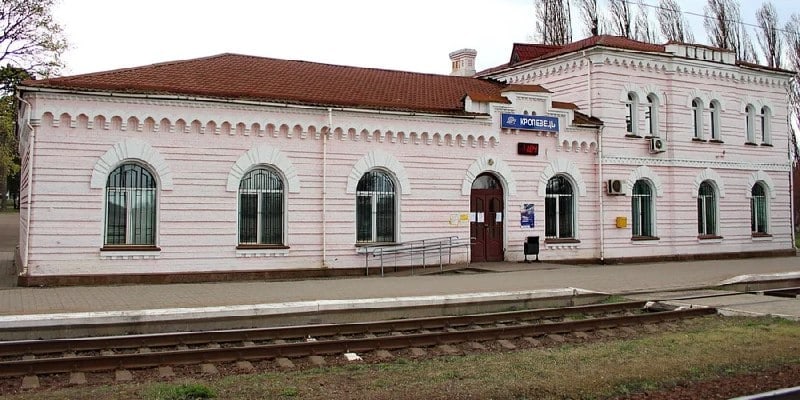
Russian troops attack Krolevets railway station in Sumy region
Several residents were injured following the enemy shelling of transport infrastructure in Krolevets.
Several residents were injured following the enemy shelling of transport infrastructure in Krolevets.
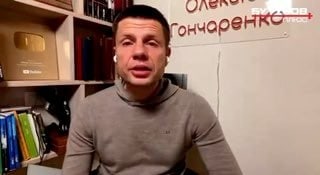
The head of the Verkhovna Rada's TSC urged the heads of NABU and SAP not to evade the parliamentary summons under the pretext of foreign trips, proposing an alternative format for participation.
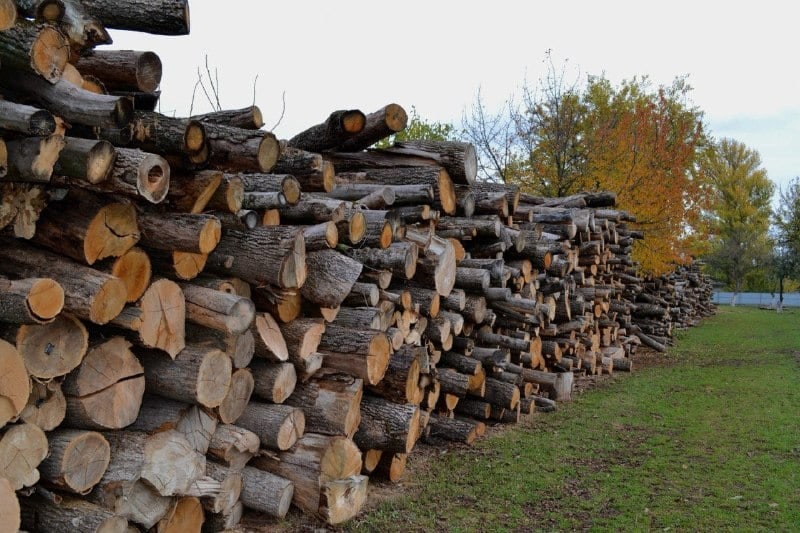
A former retail worker who received a recommendation from the head of a forestry office became a key contractor for the "Capital Forestry Office" branch of the State Enterprise "Forests of Ukraine" and accumulated a significant vehicle fleet.
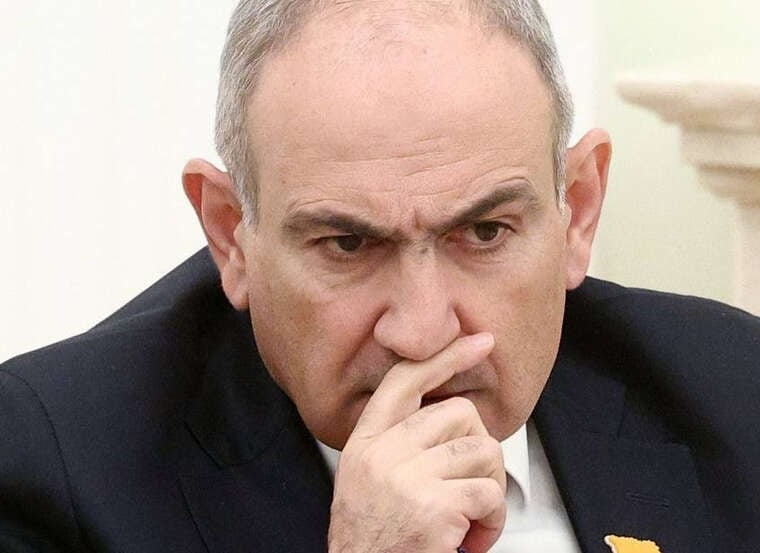
The Prime Minister of Armenia stated that the official implementation of the TRIPP initiative will take place on 22 November. One of the key directions will be electricity transit through grid connections with Azerbaijan and Turkey.
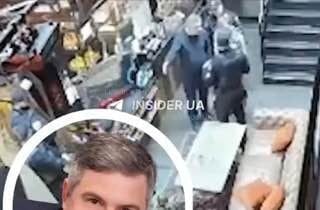
Odesa judge Ablov found himself at the centre of a scandal over his intoxicated behaviour at a venue. A few days after the incident, he returned to work, citing medical issues.
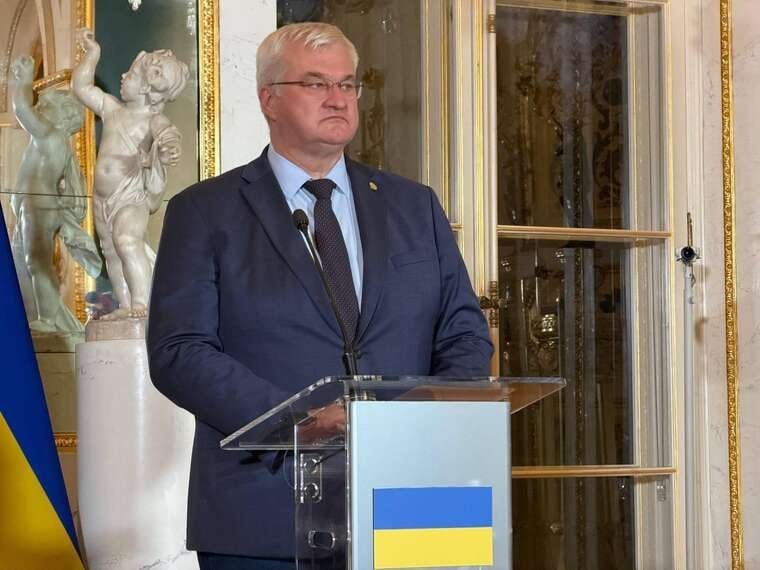
Ukrainian President stated that the current foreign minister and several other senior officials are among the candidates for the position of ambassador to the United States.
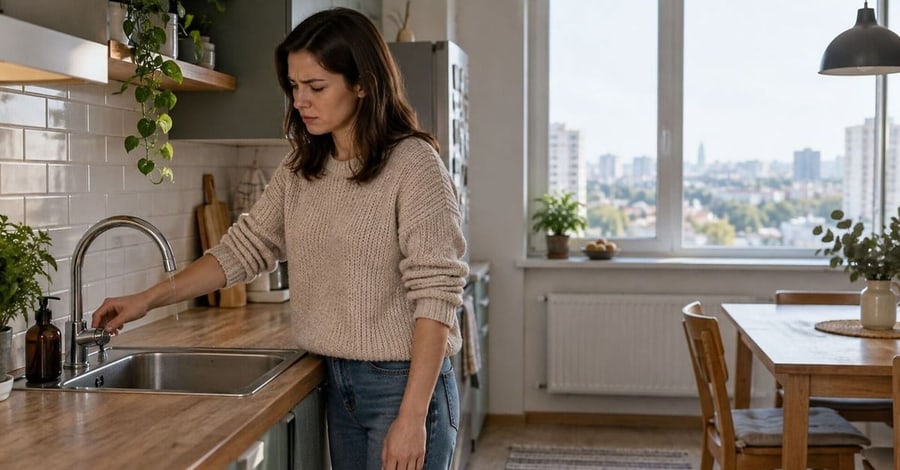
On the morning of 21 November, residents of Holosiivskyi, Sviatoshynskyi, Solomianskyi, Shevchenkivskyi and Podilskyi districts faced reduced pressure or a lack of water.
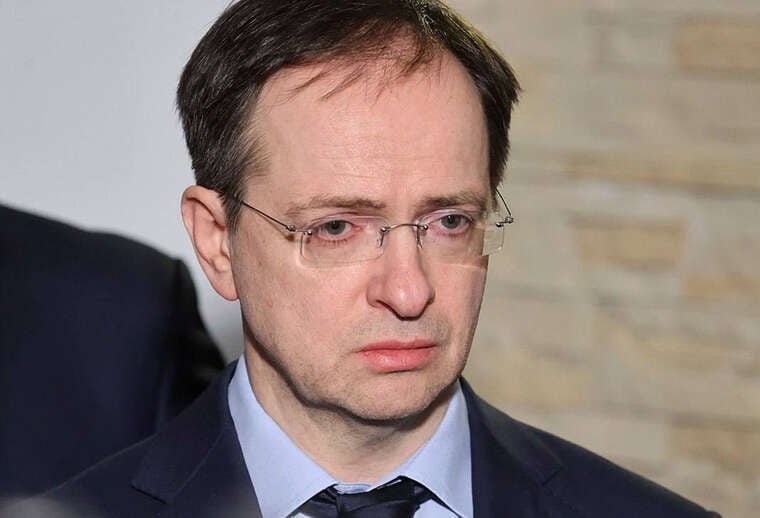
The President of Ukraine stated that the Russian leader hoped for border changes and the creation of a new "Yalta", but Beijing refused to participate in this scenario.
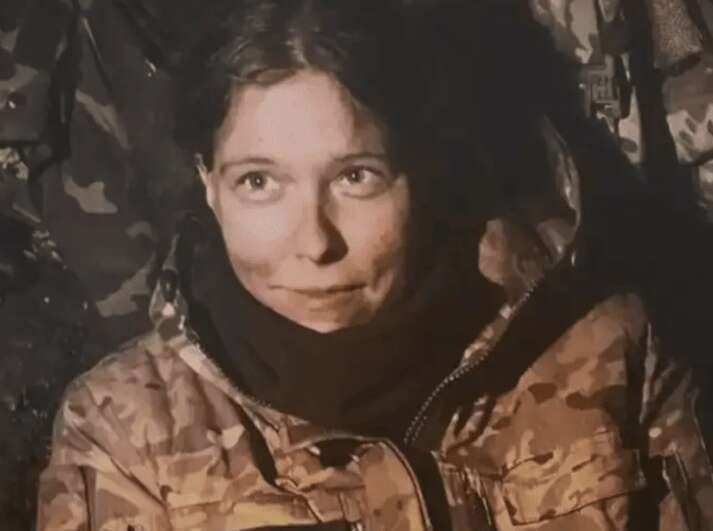
73-year-old German citizen Ursula Wagner found herself in a difficult situation at the border with Ukraine. She was banned from entering the country for three years while on her way to Kyiv to visit the grave of her daughter, Savita Wagner, a fallen soldier of the Ukrainian Armed Forces. Officials did not disclose the specific reason for this decision.
The events unfolded on 14 November. Ursula Wagner was travelling by bus to the capital, but after passport control, border guards did not allow her to cross the border. The woman had to collect her belongings and return to the Polish side under the escort of a State Border Service employee.
According to the German woman, the border guards' behaviour was polite, but they could not explain why entry was specifically denied to her. «Це було як удар в обличчя, ніби я вдруге втратила Савіту, якщо я вже навіть не можу відвідати її могилу» ("It was like a blow to the face, as if I had lost Savita a second time, if I cannot even visit her grave"), Ursula Wagner told journalists.
The official document regarding the refusal states that the three-year ban was established based on an instruction from the State Migration Service, but without specific grounds. Representatives of the State Border Service of Ukraine explained that decisions on entry bans for foreigners are made by various authorised state bodies. Border guards merely execute received instructions during document checks, and the circumstances leading to the restriction are not communicated to them.
Sources in the border service suggest that one of the common reasons for such bans may be unpaid fines for traffic rule violations. Ursula Wagner recalls that during one of her previous visits, she was stopped by the police for speeding. At the time, she was unable to pay the fine on the spot because the payment terminal was not working, and she later lost the order with the payment details.
According to the woman's estimate, the fine amount was approximately six euros. She believes that being forced to return from a 2,000-kilometre trip over such a trivial sum would be «справжнім знущанням» ("true torment"). However, it is currently unknown whether this was indeed the cause of the three-year ban. The publication DW sent a request to the State Migration Service to clarify the circumstances.
The main purpose of Ursula Wagner's visit was to visit the grave of her only daughter, Savita, who was buried in Kyiv. The decision on the burial site was made by the soldier's mother and her husband, Karl Stenerud, so that Savita would rest alongside her comrades.
The woman also planned to visit Ivan Franko National University in Lviv, where a meeting with students and a presentation of her daughter's frontline diary were scheduled. This book was released simultaneously in Ukraine and Germany in the spring, and the German edition made the Spiegel magazine's bestseller list.
Savita Wagner arrived in Ukraine after the start of Russia's full-scale invasion. Initially, she was engaged in volunteer activities, and later joined the ranks of the Ukrainian Armed Forces. Prior to this, she had studied mathematics at university and had no military experience. She served as an infantryman and then became a combat medic in the "Karpat'ska Sich" unit.
In late January 2024, Savita Wagner died as a result of a mortar attack while attempting to save wounded comrades on the battlefield. She was posthumously awarded the Ukrainian Order "For Courage".
Comments
No comments yet. Be the first!