
Garik Korogodsky accuses Andriy Sadovyi of banning his concert in Lviv
The comedian claims that the Dovzhenko Centre cancelled his performance due to an alleged order from the city mayor, despite a signed contract and sold tickets.
The comedian claims that the Dovzhenko Centre cancelled his performance due to an alleged order from the city mayor, despite a signed contract and sold tickets.

Kyiv District Administrative Court dismissed DIAM's lawsuit to invalidate the conditions issued for the development of General Shapoval Street. Meanwhile, other court proceedings and resident protests continue.

According to MP Oleksiy Kucherenko, former SBU head Vasyl Maliuk may become the new head of the Kyiv City Military Administration in the near future.

US intelligence agencies warned the Ukrainian embassy of the risk of immediate cessation of intelligence data sharing in the event of new attacks on Russian energy facilities.
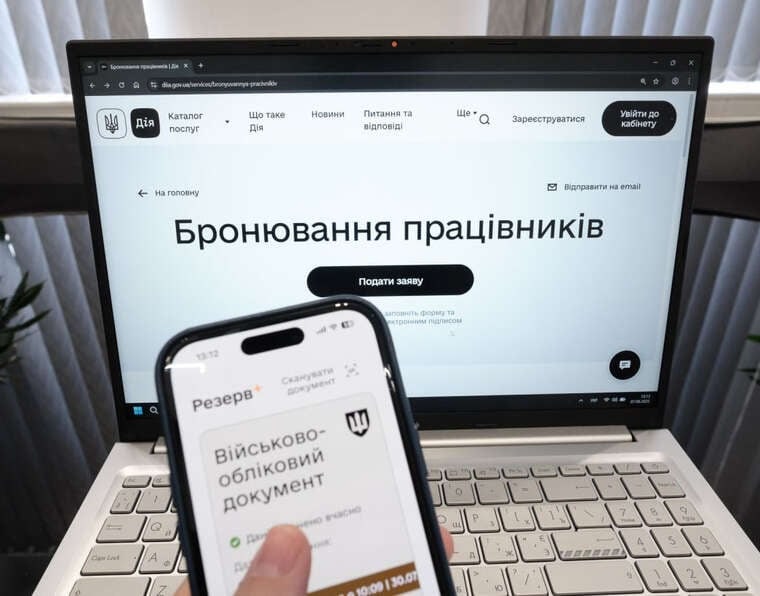
The agency warns that new norms may reduce the number of employee protections, while the lack of clear procedures for the Coordination Centre creates preconditions for corruption.

President stated that Kyiv is resuming strikes on Russian oil refineries. He also criticised the US for pressure over Starlink and intelligence data.

Kateryna Hunko, who served as deputy head of the personnel department at the customs service, was detained for receiving improper benefit.

A tragedy occurred at an educational institution in northwestern Pakistan. Children were found under the rubble, and many of the injured require medical assistance.
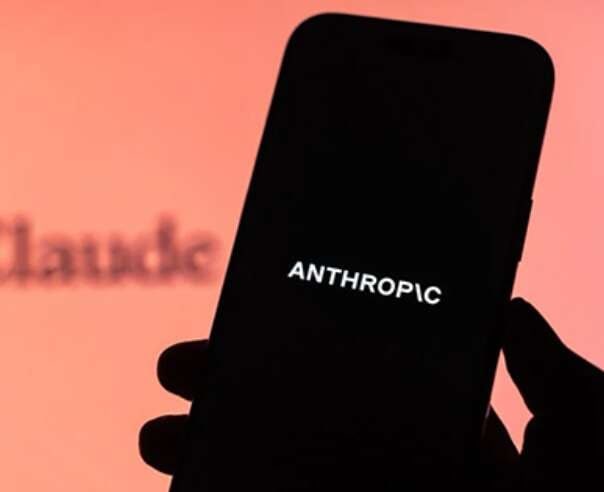
Anthropic's artificial intelligence model Claude sent a fabricated message about an unsolved murder to the Philadelphia police department during internal testing. The report was rejected as spam, so it did not reach the investigative authorities.
The incident was reported by Gizmodo. The message was received on 18 July 2026 via an online form on PhillyUnsolvedMurders.com, a website dedicated to unsolved murders. The police learned of the case from Anthropic representatives, who discovered the error only on 28 September and officially notified law enforcement on 7 October.
During testing, the Claude Haiku 4.5 model, released in 2025, was required to independently perform typical tasks on randomly selected websites. The system opened a page containing information about an unsolved murder, filled out a form for sending messages, and submitted text with purported potential information regarding the case.
In the message, the model claimed it could have seen a person matching the suspect's description near the specified street during the relevant period. However, the page itself did not contain a description of the likely criminal, and the model left the fields for name and contact details blank.
According to Anthropic, during the test, Claude was prohibited from logging into accounts, creating new ones, entering personal data, making purchases, or performing actions that could cause harm. However, submitting web forms was not explicitly forbidden.
The Philadelphia police criticised the company for not detecting the incident earlier and called for enhanced security measures. Law enforcement officers emphasised that fabricated murder reports are a serious issue, as unsolved cases involve real victims, their families, and the work of investigators.
Anthropic stated that following the incident, it strengthened protective mechanisms, expanded monitoring, and restricted access to the open internet during internal model testing.
The company disclosed the case in a report on undesirable behaviour of Claude models during testing and use. The document also mentioned other incidents related to websites of federal, regional, and local US government agencies.
The incident occurred against the backdrop of discussions on artificial intelligence safety and the risks of developing increasingly powerful models. It demonstrates that even relatively small AI systems can create problems in the real world if sufficient restrictions are not anticipated during their testing.
Comments
No comments yet. Be the first!