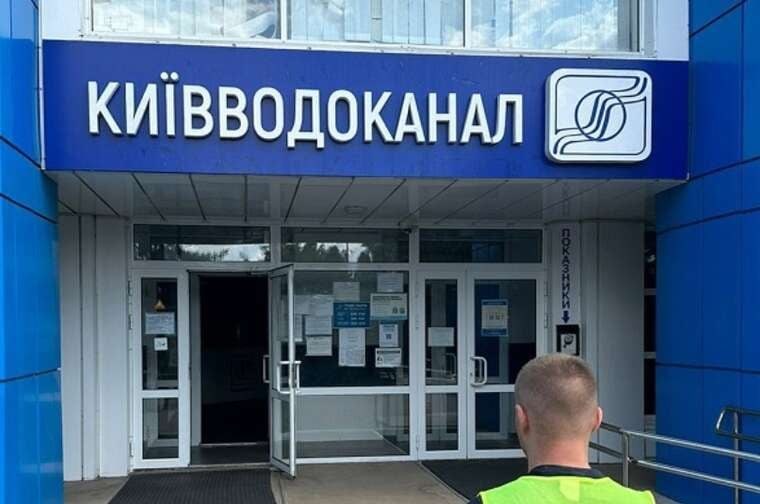
Kyivvodokanal faces acute staff shortage: one specialist replaces four
Due to low salaries and frozen tariffs, the enterprise has lost 40% of its personnel over four years, complicating the resolution of accidents in water supply networks.
Due to low salaries and frozen tariffs, the enterprise has lost 40% of its personnel over four years, complicating the resolution of accidents in water supply networks.

Kovel court convicts man of unauthorised access to another person's crypto account and transferring 1,469 USDT. Offender released from actual imprisonment with a probation period.

TVP Info investigation reveals how GGPoker bypasses blocks in Poland and documents potential overlaps with activities linked to Pin-Up.
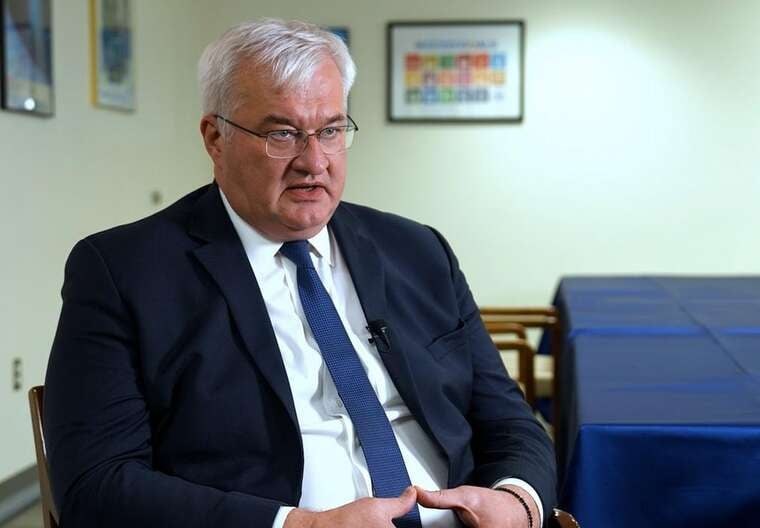
Ukraine's Foreign Minister stressed that a direct conversation between leaders is necessary to create a new dynamic in peace efforts, which could lead to a ceasefire and prisoner exchange.

Russian special services attempted to blow up a bus carrying Ukrainian Armed Forces troops in Rivne. The SBU defused the improvised device and detained the recruited student.

Trump advisor accused the Ukrainian president of undermining his authority and called for a demand to be conveyed to halt actions that harm the US.
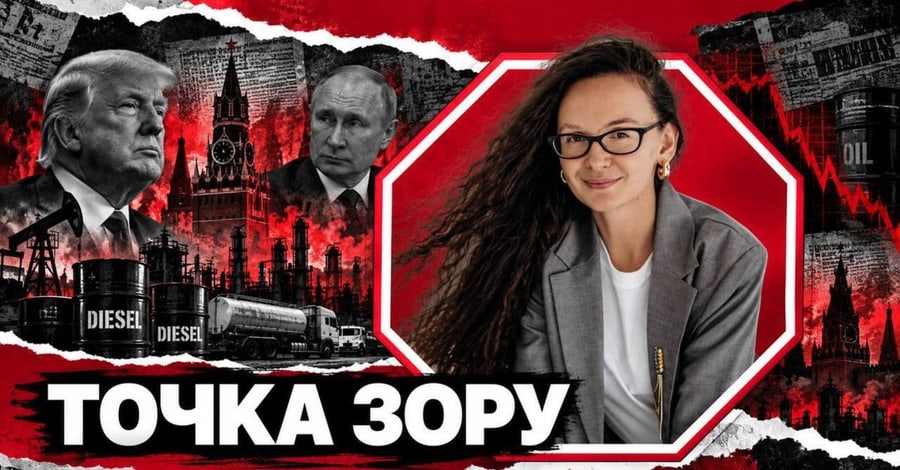
Donald Trump announced an alleged agreement to halt strikes on energy facilities, which came as a surprise to Kyiv. Experts analyse whether this could become a mechanism for stabilising Russian oil production and easing sanctions.
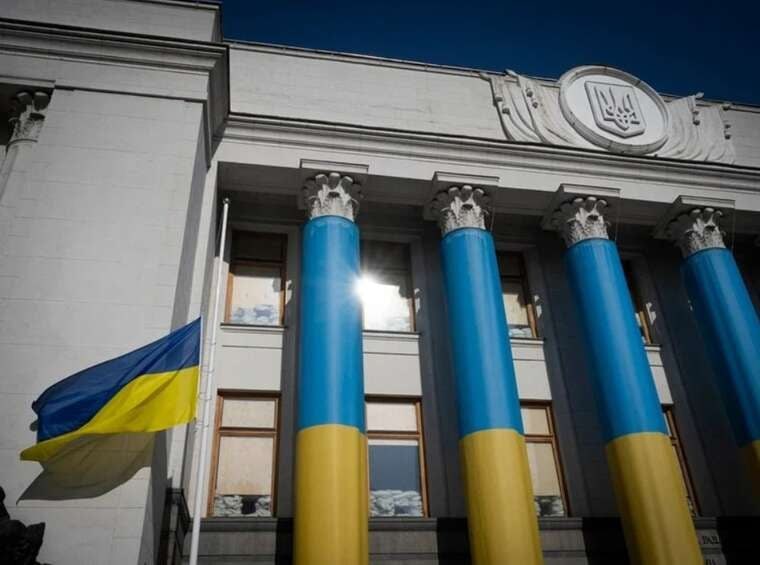
Due to constant alerts, parliament cannot complete its session and vote on key bills necessary for state financing.

Representatives of the construction sector in Berlin are facing growing difficulties in securing financing for new residential projects. Olaf Demuth, head of the Association of the German Construction Industry, links this situation to political changes, specifically the Left Party's success in local elections and its intentions to transfer large private housing funds into public ownership.
In an interview with Neue Osnabrücker Zeitung, Demuth stated: «Кредитори раптово стали обережнішими. Це помічають навіть державні гравці» (Lenders have suddenly become more cautious. Even state players are noticing this). According to him, uncertainty regarding the future of private property rights in real estate directly affects the decisions of banking institutions. Such an atmosphere may deter foreign investors, as a result of which developers risk abandoning some new projects. This, in turn, carries the risk of deepening the housing shortage in the German capital.
The Left Party proposes transferring to public ownership the housing owned by companies that hold more than 3,000 apartments in Berlin. This initiative is the result of a long-standing social conflict related to rental affordability and the rapid rise in housing prices, which has become one of the city's main problems. However, the specific terms of the property transfer, the mechanisms for implementing the plan, and the size of compensation for owners remain subjects of fierce debate.
Olaf Demuth estimates the potential cost of socialising the housing stock at between 20 and 30 billion euros. Meanwhile, other analytical estimates differ significantly from these figures. The German Institute for Economic Research (DIW) emphasises that implementing such a measure would require significant state expenditure and would not in itself lead to the creation of new apartments.
Thus, the debate surrounding the Left Party's proposals goes beyond the issue of ownership of existing properties. It concerns the future of the construction industry as a whole. Proponents of the socialisation idea expect strengthened public control over the rental market, while leaders of the construction industry warn of the threat of reduced volumes of private investment.
Comments
No comments yet. Be the first!