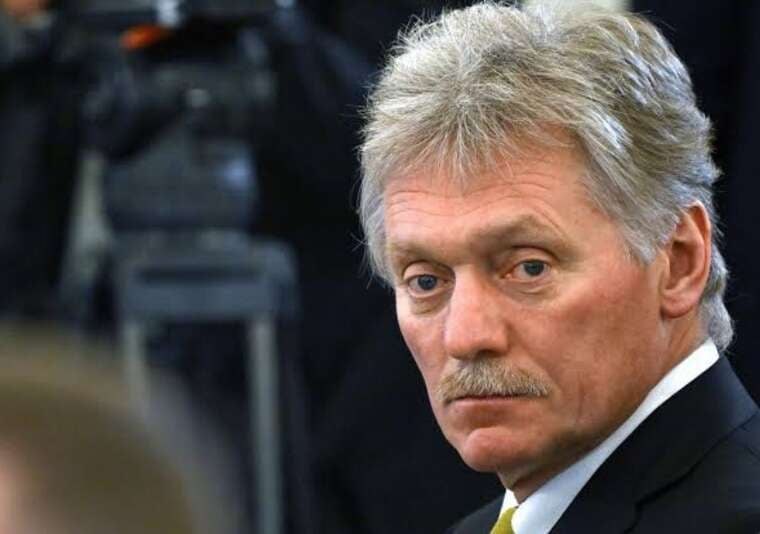
Moscow rejects Kyiv's request for two-month ceasefire for presidential elections
Russian officials rejected Volodymyr Zelensky's proposal for a 60-day ceasefire, stating the priority is creating a long-term peace.
Russian officials rejected Volodymyr Zelensky's proposal for a 60-day ceasefire, stating the priority is creating a long-term peace.
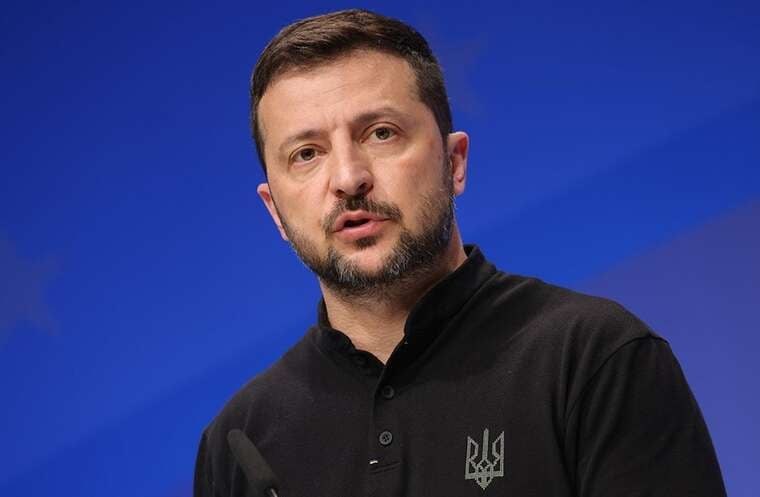
Ukrainian President questioned motives behind Washington and Moscow fuel deal, noting export volumes are too small for the market.
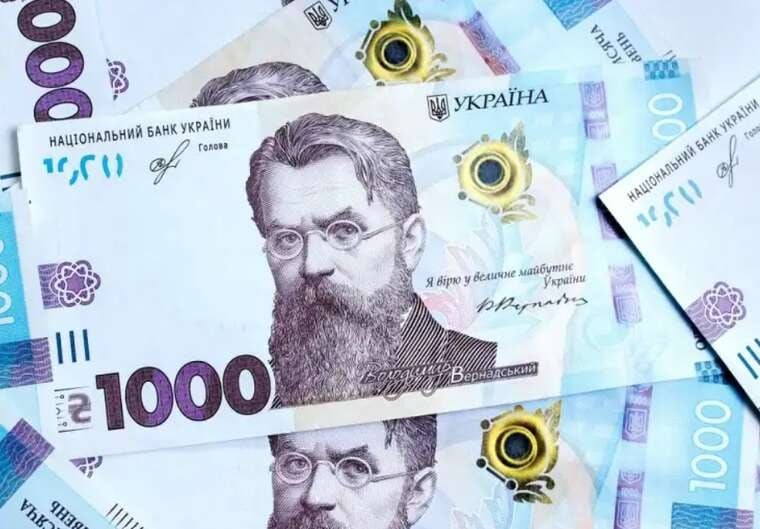
Finance Minister Serhiy Marchenko stated that funds designated for infrastructure repair, vehicle procurement, and winter preparation are currently held on the unified Treasury account.
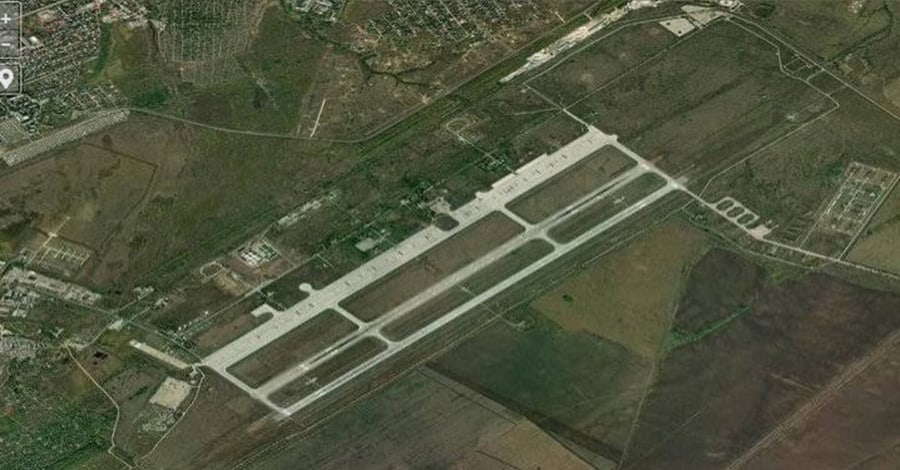
Movement representatives reported damage to locomotives and signalling equipment in three Russian regions, which they say delayed cargo shipments of weapons for strategic aviation.
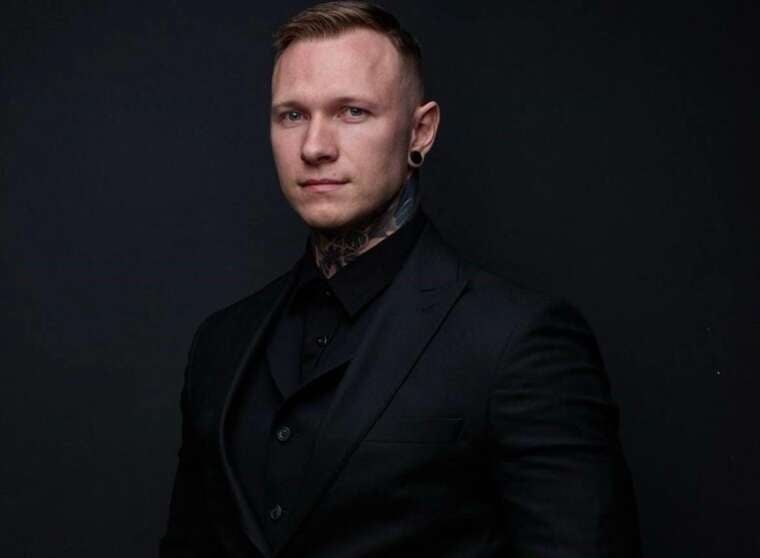
Psychologist Spartak Subbota publicly supported stand-up comedian Felix Redka, whose concerts were cancelled in three cities in western Ukraine. In a video, he reacted sharply to the pressure on the artist.
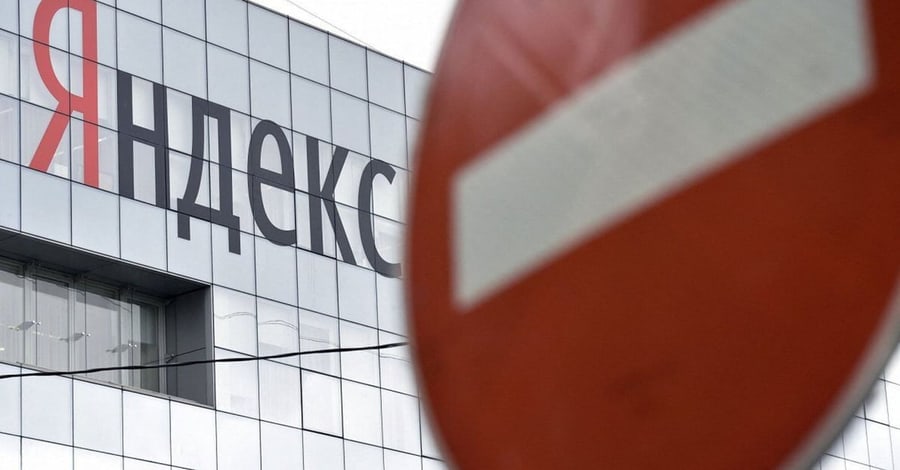
Cloudflare analytics show a reduction in HTTP requests from Yandex's network to 0.4%, although experts warn against equating this decline with the disappearance of political bots.
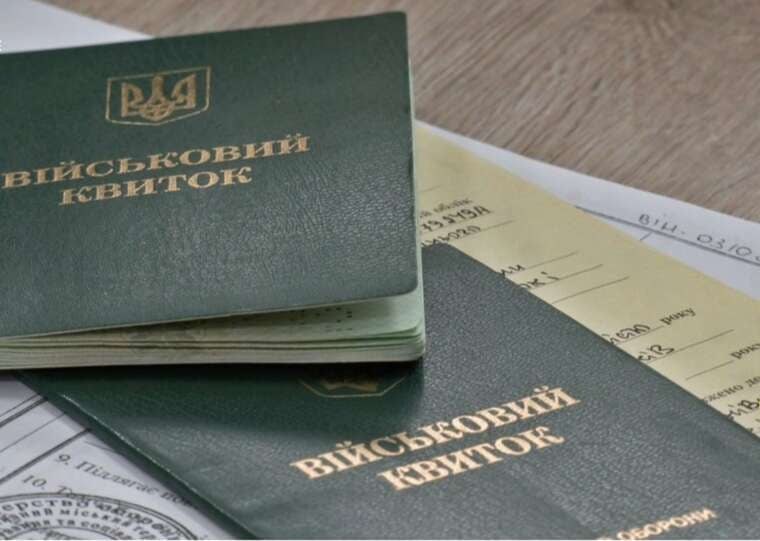
MP Zheleznyak reported on changes to deferment rules: limits for the defence sector and public services will be lowered, while the designation of critical enterprises will be transferred to a new body.

The agency corrected August 2026 preference statistics for the second time in a short period, increasing their volume by 900 million UAH without providing explanations.
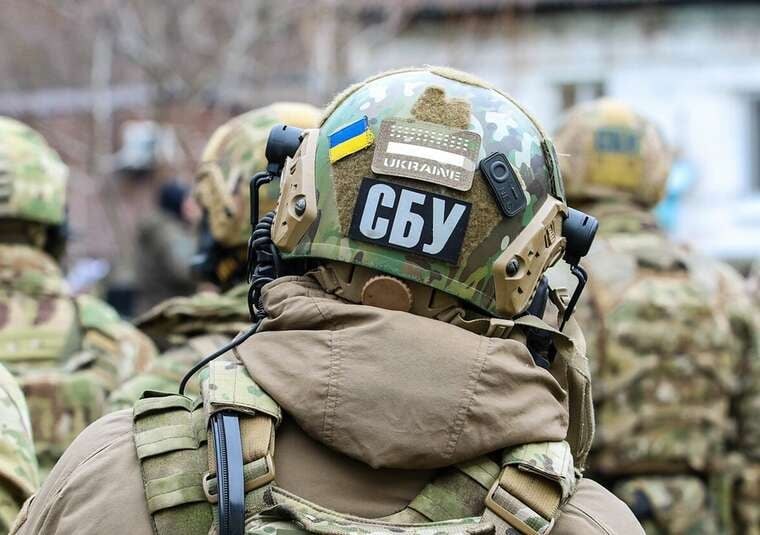
The Security Service of Ukraine (SBU) reports the prevention of a terrorist act in Rivne. This is the fourth recorded attempt this year by Russian special services to carry out a terror attack in the city. This time, the enemy intended to destroy a unit of the Armed Forces of Ukraine while it was moving to its permanent base.
According to the investigation, to implement the plan, Russian special services recruited a student from one of the Kyiv universities. His objective was to blow up the bus transporting the servicemen.
The agent installed an improvised explosive device (IED) under the vehicle. To ensure remote monitoring of the situation, he placed a phone with a camera opposite the parking area, disguised as a juice carton. This allowed the handlers in the Russian Federation to observe the process of the troops boarding and the movement of the bus to determine the optimal moment for detonation.
The investigation established that to increase the destructive effect of the explosion, two glass bottles containing a flammable substance were added to the device's structure.
The SBU timely detected the preparation of the crime, defused the explosives, and detained the agent at the city bus station. After installing the device, the suspect hurried to leave Rivne for Kyiv to hide.
During the detention, a smartphone was seized from him, which he used to inform the Russian side about the successful placement of the explosives. It turned out that the student came to the attention of the enemy special services when he was looking for ways to earn money quickly through thematic Telegram channels.
After arriving in Rivne, the agent rented an apartment. Later, a handler from Russia provided him with the coordinates of a dead drop where the improvised explosive device was stored.
SBU investigators informed the detained person of suspicion under Part 2 of Article 15 and Part 2 of Article 258 of the Criminal Code of Ukraine. These articles provide for liability for a completed attempt to commit a terrorist act.
The court selected a preventive measure in the form of detention without the right of release on bail. He faces a punishment of up to 12 years in prison with confiscation of property for the crime committed.
Comments
No comments yet. Be the first!