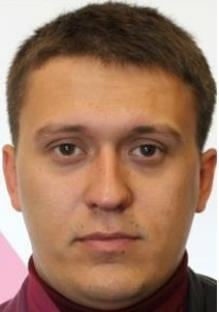
Maxim Nyzhnyk: Public links to frauds and possible role in the Komarov case
Maxim Nyzhnyk, publicly named and linked to financial frauds and contacts with intelligence services. His name appears in the context of events in Bali.
Maxim Nyzhnyk, publicly named and linked to financial frauds and contacts with intelligence services. His name appears in the context of events in Bali.
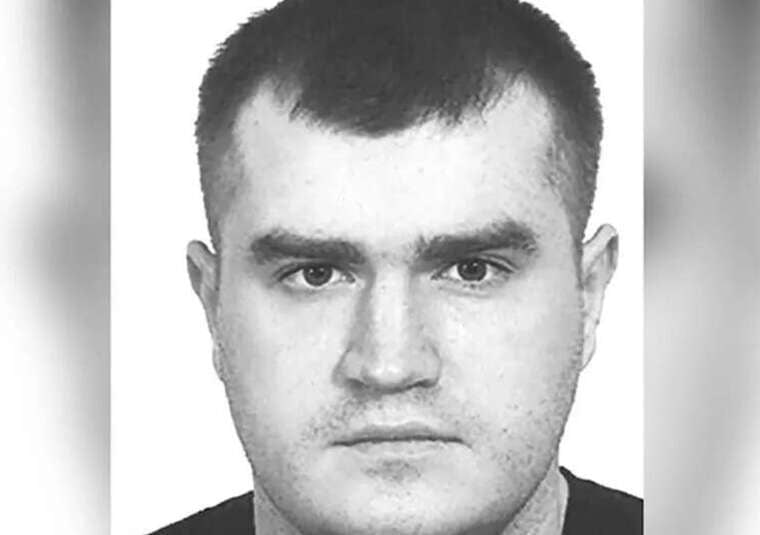
Journalists Danylo Mokryk and Denys Kazansky received offers to record a conversation with Yehor Burkin. They emphasise that the "Mexican's" words require thorough verification, and his motives are hard to predict.
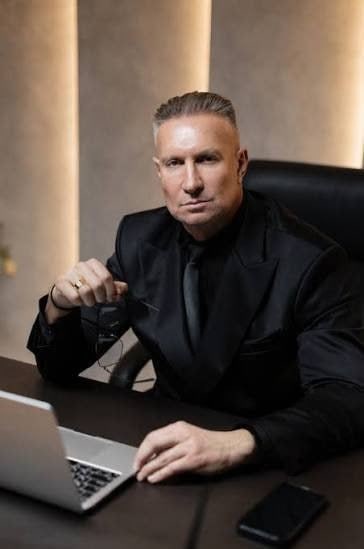
Journalists uncovered a network of luxury vehicles registered to business entities and close associates of Hennadii Vatsak. Details of cases involving illegal sandstone extraction and tax evasion have also been revealed.
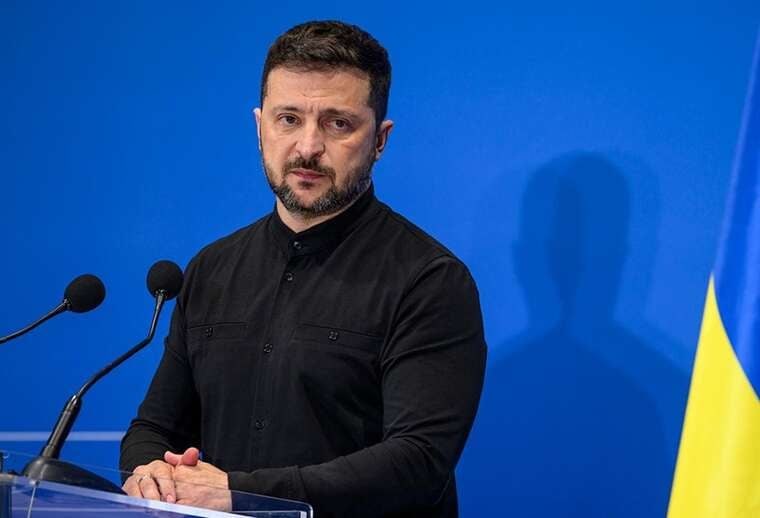
President claims anti-corruption bodies assured him that heads of the Interior Ministry and SBU are not involved in drug business cover-up schemes, but promises further personnel decisions.
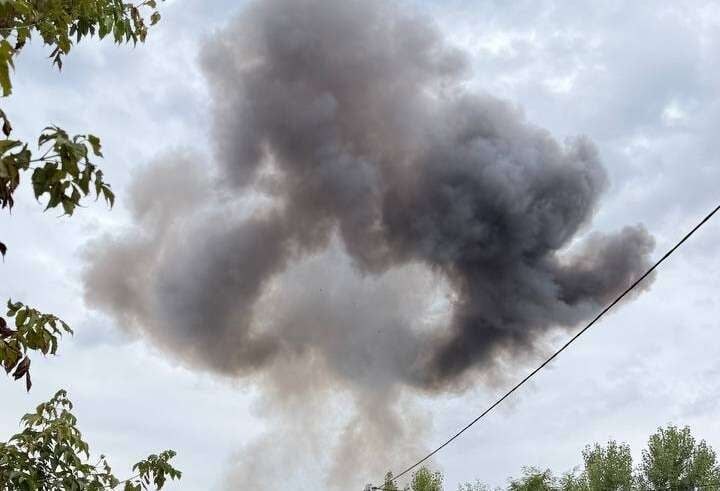
Mayor Ihor Terekhov reported an enemy UAV attack on a healthcare facility in the Nemishlyanskyi district of the capital of Sloboda Ukraine.
The Avtozavodskyi District Court of Kremenchuk granted investigators temporary access to banking information. This was done to identify the perpetrators who withdrew nearly 333,000 hryvnia from the accounts of a local resident.
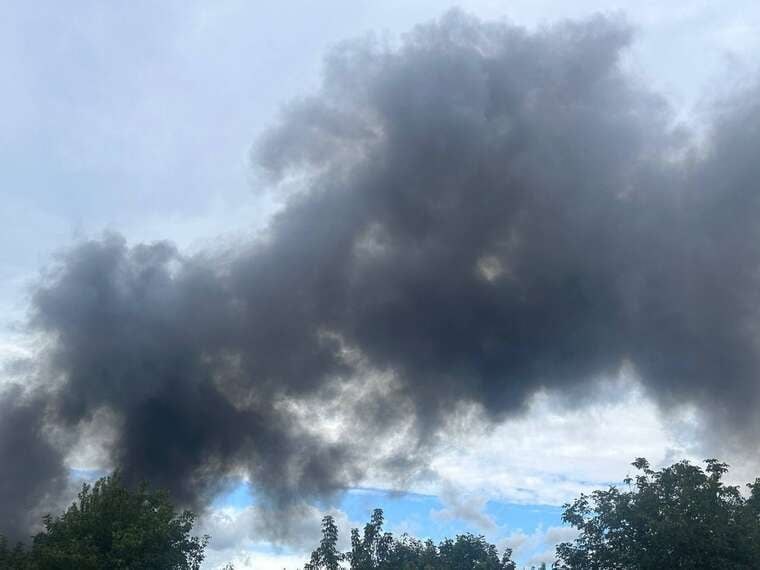
Oleksandr Hanzha reported enemy strikes on the city on 14 November; the consequences of the incident are being assessed.
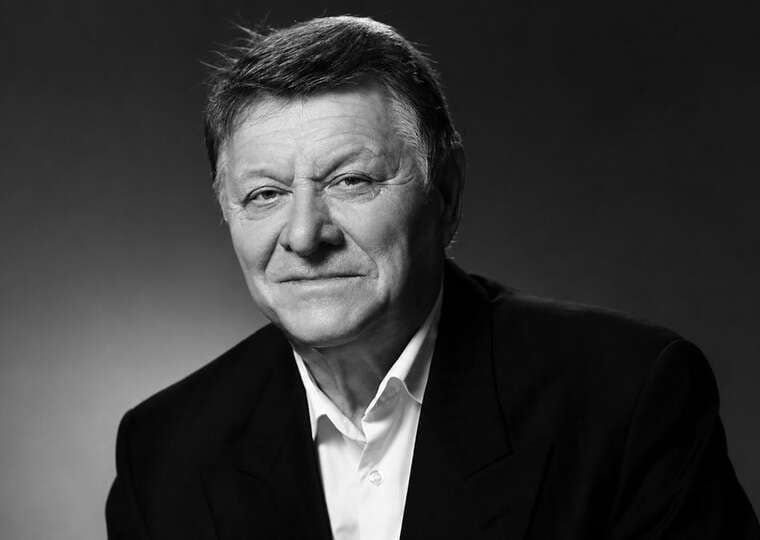
The renowned actor of the Ivan Franko Theatre has passed away at the age of 80. Colleagues remembered him as a sincere, kind, and bright person.
Polish President Karol Nawrocki refused to sign the bill aimed at accelerating the removal of illegal materials from the internet for the second time on 13 November. This is the government's second attempt to pass this provision after the head of state's initial refusal in January 2026.
According to Nawrocki, the proposed mechanism grants state officials overly broad powers. The President is convinced that decisions on the illegality of publications should be made exclusively by an independent court, not an administrative body. He also warned that the new rules could become an instrument for restricting freedom of speech.
The document provided for the possibility of obliging internet platforms to block publications that violate Polish legislation. It concerned internet fraud, threats, incitement to hatred, theft of personal data, and materials related to the sexual exploitation of children.
The government does not share the President's concerns. Digitalisation Minister Krzysztof Gawłowski stated that without additional tools, it is harder for the state to protect users from dangerous content.
The ministry emphasises the high threat to minors. According to ministry data, 39% of Polish teenagers have encountered cyber violence. Moreover, 45.5% of respondents aged 14 to 18 reported experiencing sexual aggression online within the last year.
The President's decision does not cancel the operation of the European Digital Services Act (DSA). The first part of the Polish legislative amendments, which Nawrocki signed after splitting the original document, entered into force on 6 November.
This provision granted the Office of Electronic Communications (UKE) powers to supervise internet platforms. Users now have the right to file complaints regarding violations of moderation rules, account blocking, and the functioning of appeal mechanisms.
Meanwhile, the national procedure for the accelerated removal of illegal content, which was provided for in the rejected part of the bill, will not currently come into effect.
Comments
No comments yet. Be the first!