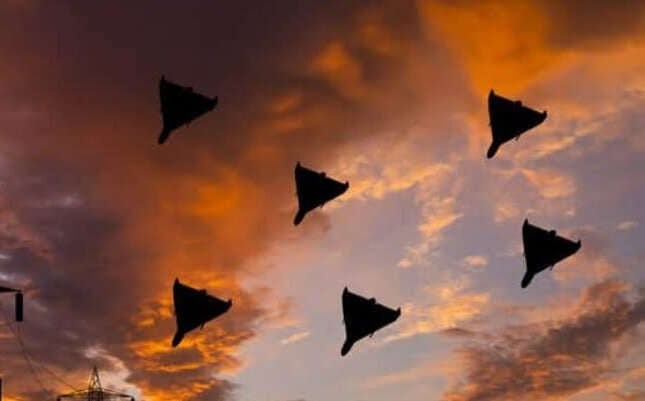
Overnight on 24 November, Russian occupiers carried out a massive strike on Ukrainian territory using 96 unmanned aerial vehicles. The means employed included Shahed and Gerbera-type strike drones, as well as decoy drones.
Launch directions and results of repelling the attack
According to the Air Force of the Armed Forces of Ukraine, the enemy attacked simultaneously from several directions: from Oryol, Bryansk, Primorsko-Akhtarsk, as well as from the temporarily occupied territories of Donetsk region and Crimea. Hostilities began at 18:00 the previous day.
As of 08:00 on the morning of 24 November, sky defenders had shot down or suppressed 73 enemy targets. Specifically, among the destroyed objects were 45 jet-powered drones.
Consequences of the strike
The Air Force reported that impacts from the enemy's air attack means were recorded at 13 locations. In addition, debris from shot-down drones fell at two other locations.
«Зафіксовано влучання засобів повітряного нападу противника на 13 локаціях, а також падіння збитих (уламки) на 2 локаціях», – йдеться в офіційному повідомленні захисників. (Impacts from the enemy's air attack means were recorded at 13 locations, as well as the fall of shot-down [drones] (debris) at 2 locations, the official statement from the defenders reads.)
How the attack was repelled
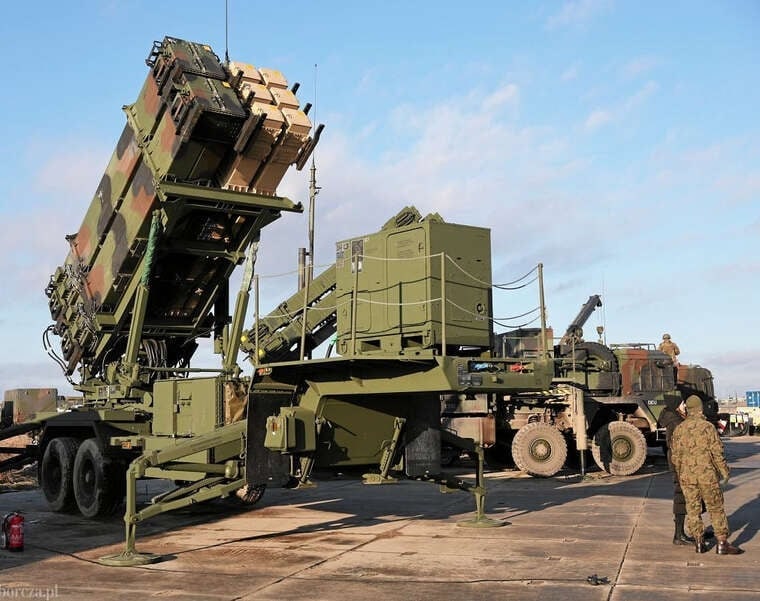
Integrated air defence forces were deployed to repel the attack. Aviation, anti-aircraft missile units, radio electronic warfare units, unmanned systems units, and mobile fire groups of the Defence Forces of Ukraine participated in the fight against enemy drones.







Comments
No comments yet. Be the first!