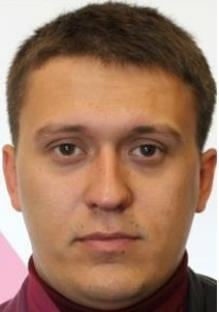
Maxim Nyzhnyk: Public links to frauds and possible role in the Komarov case
Maxim Nyzhnyk, publicly named and linked to financial frauds and contacts with intelligence services. His name appears in the context of events in Bali.
Maxim Nyzhnyk, publicly named and linked to financial frauds and contacts with intelligence services. His name appears in the context of events in Bali.
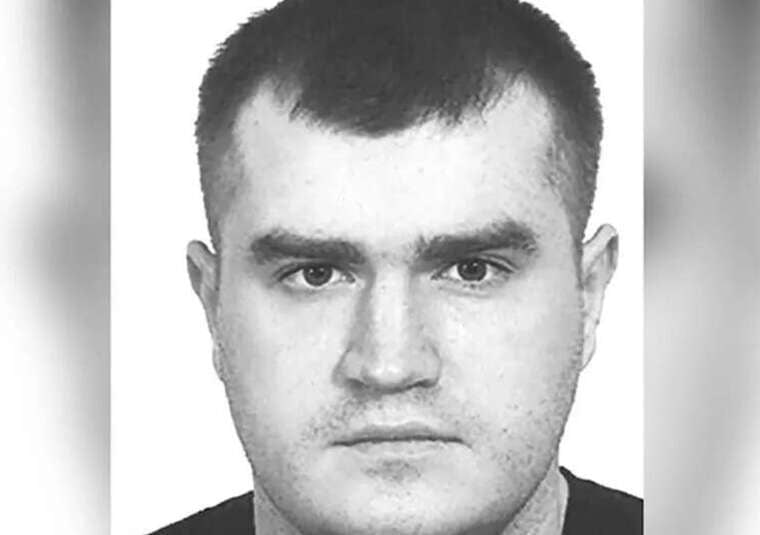
Journalists Danylo Mokryk and Denys Kazansky received offers to record a conversation with Yehor Burkin. They emphasise that the "Mexican's" words require thorough verification, and his motives are hard to predict.

Journalists uncovered a network of luxury vehicles registered to business entities and close associates of Hennadii Vatsak. Details of cases involving illegal sandstone extraction and tax evasion have also been revealed.
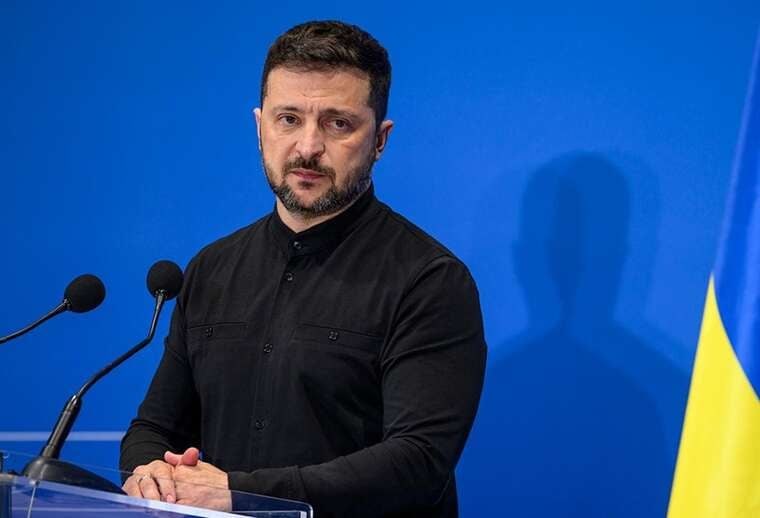
President claims anti-corruption bodies assured him that heads of the Interior Ministry and SBU are not involved in drug business cover-up schemes, but promises further personnel decisions.
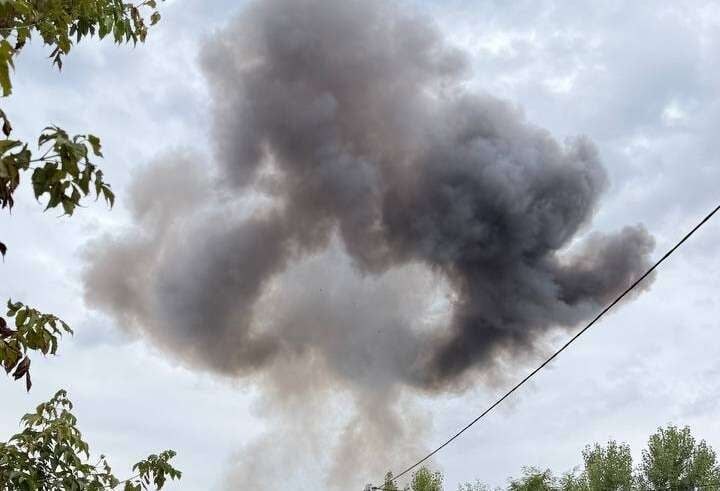
Mayor Ihor Terekhov reported an enemy UAV attack on a healthcare facility in the Nemishlyanskyi district of the capital of Sloboda Ukraine.

The Avtozavodskyi District Court of Kremenchuk granted investigators temporary access to banking information. This was done to identify the perpetrators who withdrew nearly 333,000 hryvnia from the accounts of a local resident.
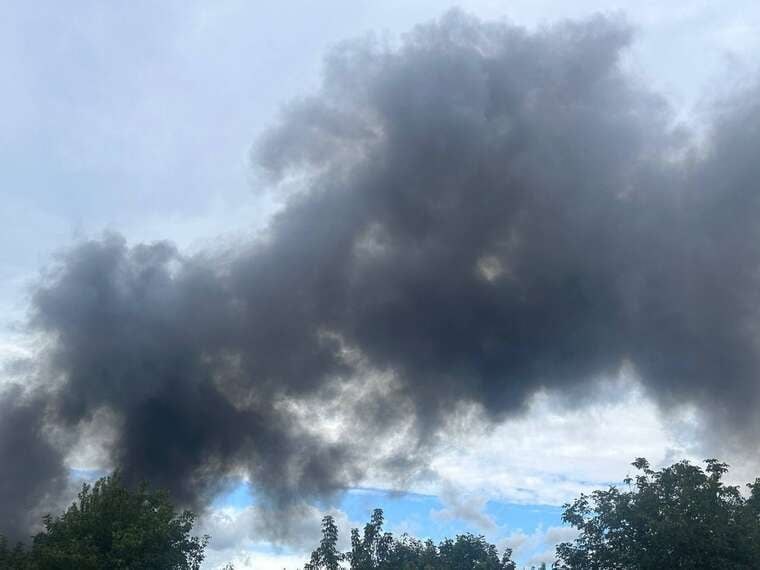
Oleksandr Hanzha reported enemy strikes on the city on 14 November; the consequences of the incident are being assessed.
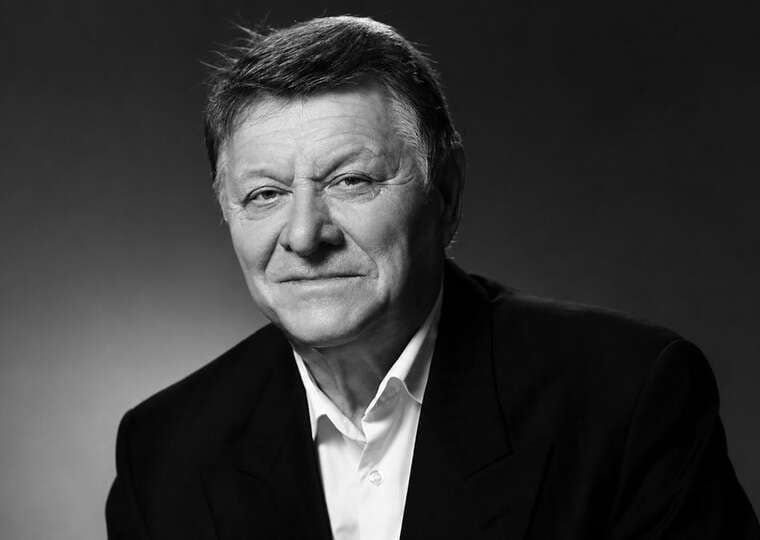
The renowned actor of the Ivan Franko Theatre has passed away at the age of 80. Colleagues remembered him as a sincere, kind, and bright person.
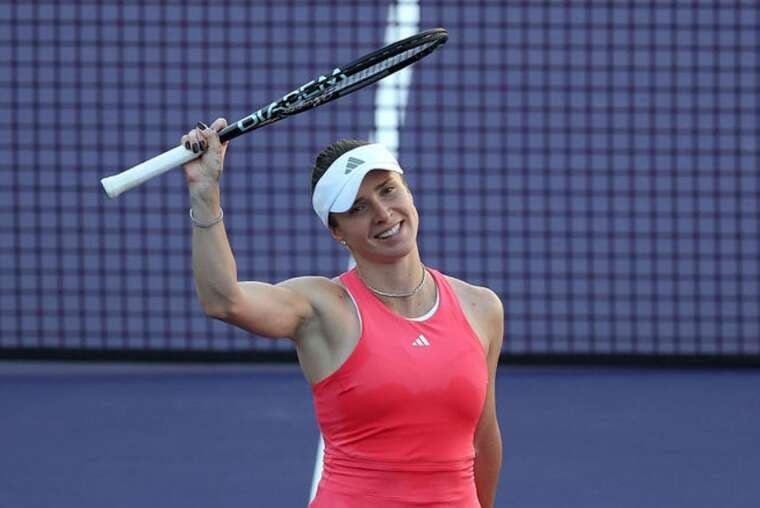
Elina Svitolina secured a crucial victory over Aryna Sabalenka in the decisive match of the group stage of the WTA Finals. This win not only guaranteed the first-ranked player of Ukraine a place in the semi-finals but also marked her first victory against her Belarusian rival in the past six years.
The contest in the third round of the group stage proved to be extremely tense. The match lasted three sets: Svitolina confidently won the first, but conceded the second. In the deciding set, the Ukrainian left her opponent with no chances, finishing the encounter with a score of 6:3, 3:6, 6:1. This triumph allowed the Ukrainian to break her losing streak and secure a ticket to the next stage of the competition.
In addition to the sporting result, Aryna Sabalenka’s behaviour attracted public attention. Throughout the match, the Belarusian tennis player displayed irritation, reacting nervously to both her opponent’s successes and her own mistakes. However, one episode went beyond the accepted norms of sports ethics.
According to a video recording circulated in Ukrainian tennis circles, after one of the lost rallies, Sabalenka broke into shouting at Svitolina. Based on lip-reading, the tennis player shouted a crude, obscene slur in Russian at the Ukrainian: «Йо**на су*а українська на**й» (You are a f***ing Ukrainian b***h).
Although it is difficult to identify every word with 100% certainty based solely on articulation, the nature of the outburst was openly hostile and offensive, directed directly at the Ukrainian athlete. This incident caused a resonance online after the moment was captured by television cameras.
Comments
No comments yet. Be the first!