Refusal to register information on possible crimes
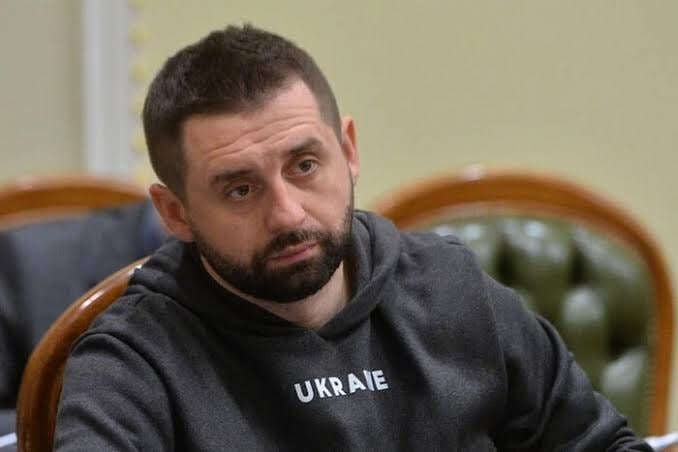
Acting Prosecutor General Anton Kovalskyi refused to initiate a separate investigation into David Arakhamia, head of the Servant of the People parliamentary faction. The reason was a statement by the Centre for Countering Corruption (CPC) regarding possible payments of salaries in envelopes to members of parliament.
According to the organisation, it applied to the Prosecutor General's Office with a request to enter the relevant information into the Unified Register of Pre-trial Investigations (URPI). However, the prosecution responded that the described circumstances are already under investigation within the framework of another criminal case. In this regard, the statement was redirected to the National Anti-Corruption Bureau of Ukraine (NABU).
Legal restrictions and precedents
The CPC emphasises that NABU reminds that only the Prosecutor General is authorised to register information on possible corruption crimes committed by members of parliament. Without such a decision, the bureau's detectives do not have the authority to initiate an investigation directly concerning Arakhamia.
CPC representatives claim that a similar situation was observed under the previous leadership of Prosecutor General Ruslan Kravchenko. At that time, the organisation also attempted to secure the opening of a criminal case against the head of the Servant of the People faction.
Political context and expert assessments
The authors of the report interpret this situation as evidence of the preservation of presidential influence over the Prosecutor General's Office even after a change in leadership. In their opinion, the Prosecutor General's authority to approve suspicions against members of parliament may hinder investigations concerning representatives of the parliamentary majority.
The report also mentions the confrontation between NABU, the Specialised Anti-Corruption Prosecutor's Office (SAP) and former Prosecutor General Kravchenko, which, according to the authors, intensified after the "Carthage" case.
Separately, the CPC links the situation to discussions surrounding the so-called Kachka-Kos package of bills, which, according to the organisation's description, provides for changes in the system of oversight of law enforcement agencies and an expansion of the powers of NABU and SAP, specifically regarding the notification of suspicions to members of parliament.
Meanwhile, claims about political influence on prosecution decisions and the motives of the parties to the conflict are assessments by the authors of the report. The fact of redirecting the statement to NABU does not indicate that Arakhamia's possible violations have been proven.






Comments
No comments yet. Be the first!