
GTA VI sets absolute record, earning $3.79 billion in first day
The video game surpassed the financial performance of all previous gaming and cinematic releases, collecting a record sum in 24 hours.
The video game surpassed the financial performance of all previous gaming and cinematic releases, collecting a record sum in 24 hours.
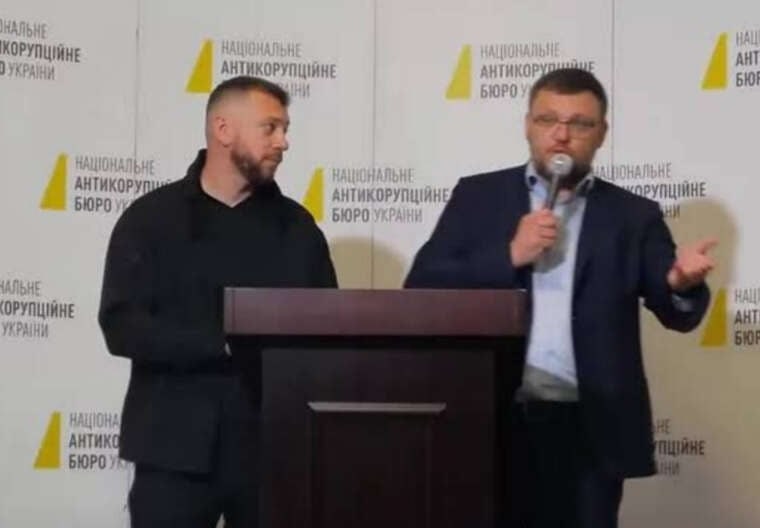
Heads of NABU and SAP stated at a briefing about attempts by the SBU to obstruct the investigation and responded to accusations regarding their personal lives and connections.
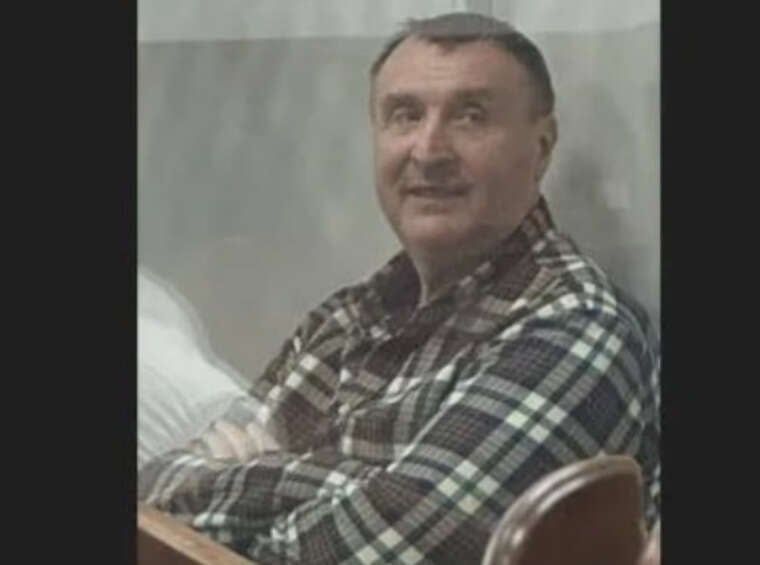
The appellate court excluded an episode from the case involving 120,000 defective mines, leading to the statute of limitations expiring for Leonid Shyman and Kyrylo Kyrylov.
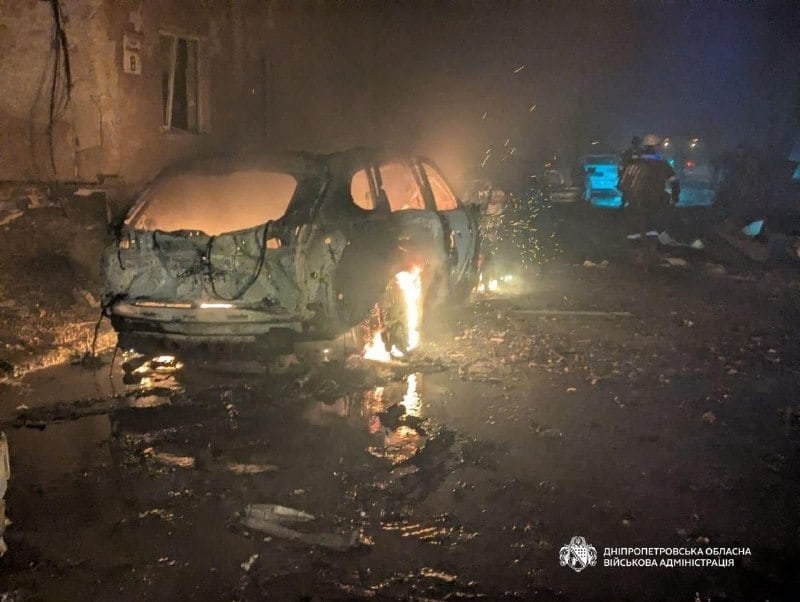
Russian occupiers hit a public catering facility in Kryvyi Rih with a ballistic missile. There is a threat of water supply disruption for part of the residents.

Staff and contractors demand that educational institutions be given access to search without artificial intelligence integration.
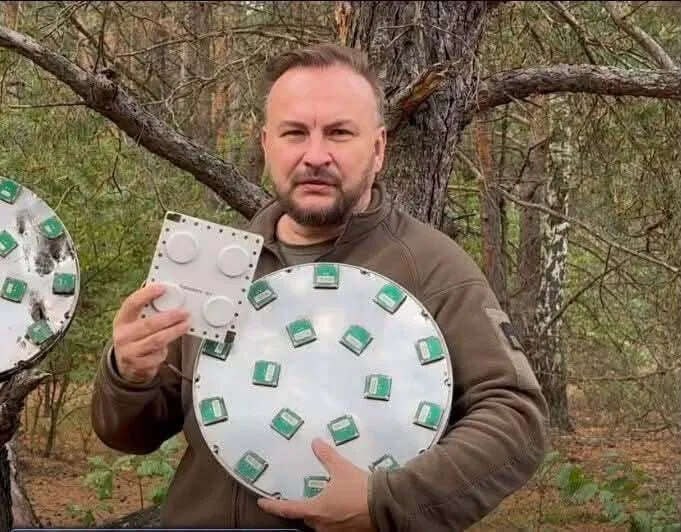
Vynohradiv court in Zakarpattia region sentenced Ivan Vlad to a minimum fine for violating the procedure for moving military goods across the border.
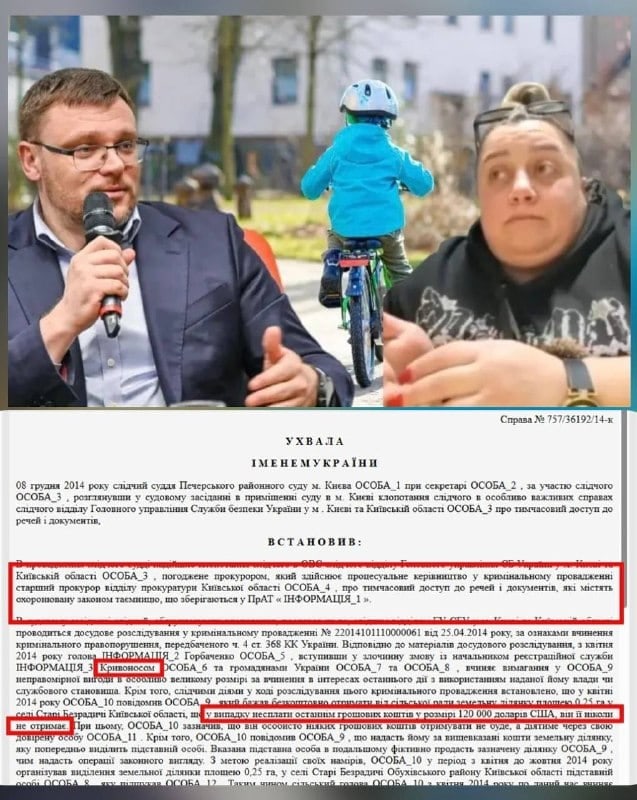
Shneider proposed expanding the circle of participants by inviting an investigator, a judge, and the child's mother to hear all versions of events.
The corporation denies online narratives regarding the supply of Russian coal at the beginning of the full-scale war.
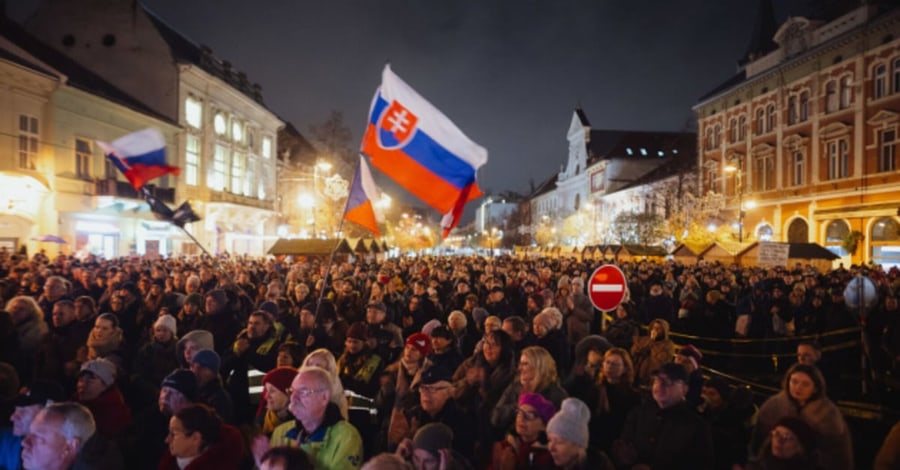
On 17 November, Tuesday, numerous anti-government rallies took place in Slovakia. The largest number of people gathered in the country's capital, Bratislava, where, according to opposition data, approximately 25,000 citizens participated in the event. Protest actions also took place in other cities, including Košice and Banská Bystrica.
The demonstrations were timed to coincide with the anniversary of the 1989 Velvet Revolution, which put an end to communist rule in Czechoslovakia. For the participants of the actions, this date became a symbol of the struggle for democracy and civil rights, which motivated them to protest against the current authorities.
One of the main causes of public dissatisfaction was the foreign policy of Prime Minister Robert Fico. The opposition and the public accuse the government of abandoning democratic norms, restricting freedoms, and seeking to maintain warm relations with Russia despite its full-scale invasion of Ukraine.
Participants in the march in the centre of Bratislava carried placards with slogans, including "Run, Fico, run!". AFP journalists were told by 74-year-old doctor Igor Vico, who joined the action: "Ми останні в Європейському Союзі, хто веде переговори з росіянами. Це ганьба" (We are the last in the European Union to negotiate with the Russians. This is a disgrace).
Critics of the government's course point to specific steps taken by the authorities. In particular, in October, Foreign Minister Juraj Blanár visited Moscow to participate in a meeting of the Russian-Slovak intergovernmental commission. This week, the government also moved a meeting dedicated to the results of this visit and opportunities for further cooperation from Wednesday to Tuesday, which triggered a new wave of criticism.
In addition to foreign policy issues, protesters express concern over internal reforms. The Fico government is accused of attempting to strengthen control over media and cultural institutions, as well as passing laws that, in the opinion of opponents, restrict the rights of the LGBT community. Discussions were also sparked by amendments to the Constitution of Slovakia, adopted by parliament in 2025, which enshrined the priority of national legislation in matters of identity, creating uncertainty regarding compliance with EU obligations.
Robert Fico returned to the post of Prime Minister in 2023, although in over 20 years of political career he had already headed the government four times. After returning to power, he openly spoke against military aid to Ukraine and continued to maintain dialogue with Russian leadership, including with Vladimir Putin.
Against the backdrop of the protests, the opposition Christian Democratic Movement (KDH) called on the government to cease cooperation with Russia until the end of its aggressive war against Ukraine. Despite public pressure and large-scale demonstrations, the Fico government continues to adhere to its chosen foreign policy course, which involves maintaining contacts with Moscow.
Comments
No comments yet. Be the first!