
GTA VI sets absolute record, earning $3.79 billion in first day
The video game surpassed the financial performance of all previous gaming and cinematic releases, collecting a record sum in 24 hours.
The video game surpassed the financial performance of all previous gaming and cinematic releases, collecting a record sum in 24 hours.

Heads of NABU and SAP stated at a briefing about attempts by the SBU to obstruct the investigation and responded to accusations regarding their personal lives and connections.

The appellate court excluded an episode from the case involving 120,000 defective mines, leading to the statute of limitations expiring for Leonid Shyman and Kyrylo Kyrylov.
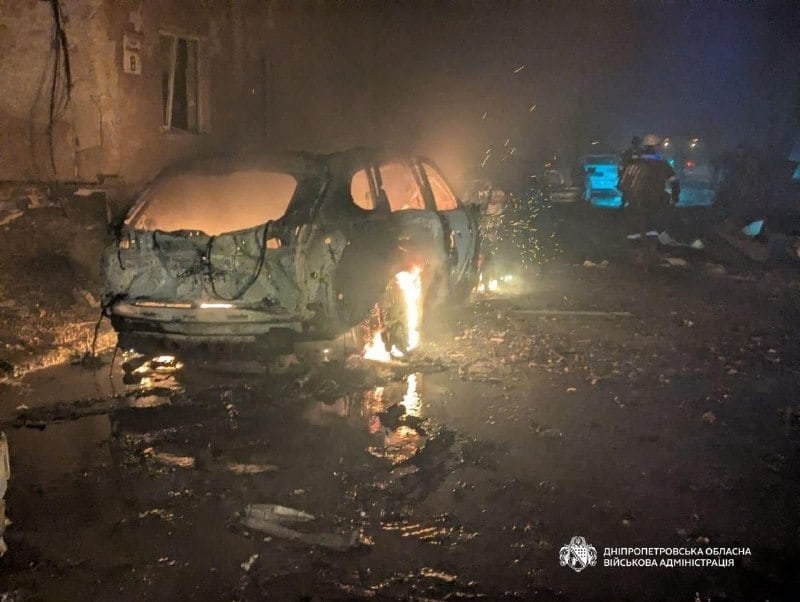
Russian occupiers hit a public catering facility in Kryvyi Rih with a ballistic missile. There is a threat of water supply disruption for part of the residents.

Staff and contractors demand that educational institutions be given access to search without artificial intelligence integration.
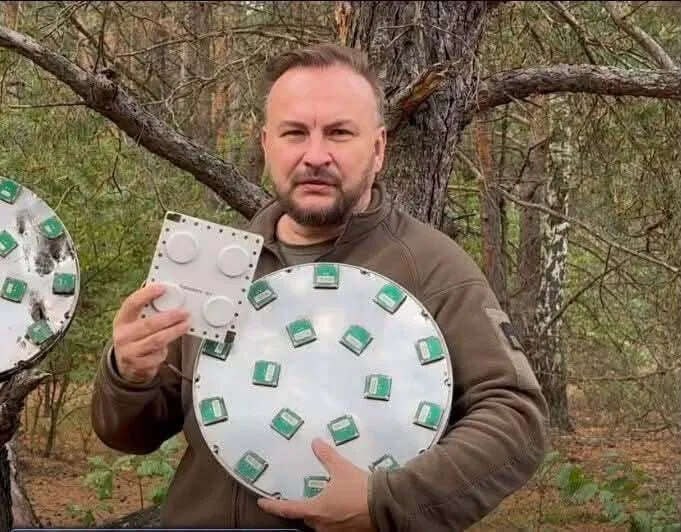
Vynohradiv court in Zakarpattia region sentenced Ivan Vlad to a minimum fine for violating the procedure for moving military goods across the border.
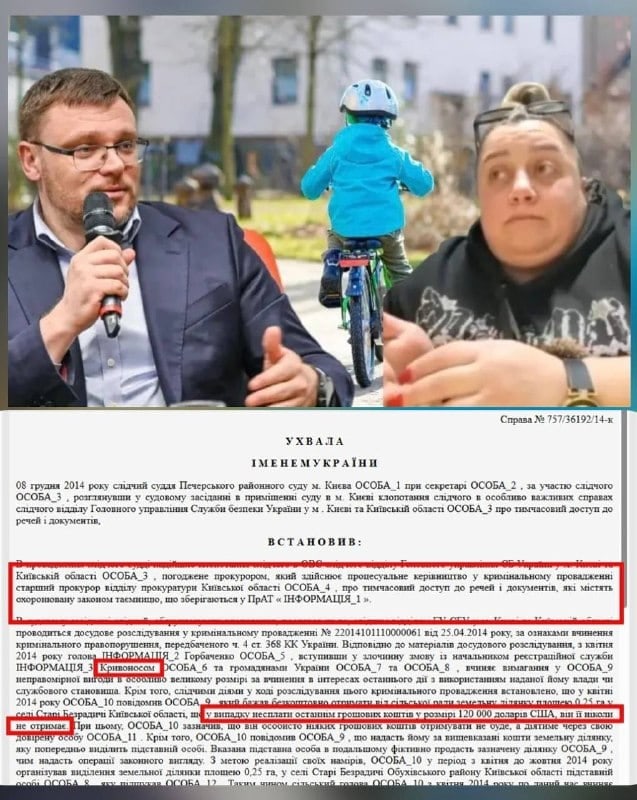
Shneider proposed expanding the circle of participants by inviting an investigator, a judge, and the child's mother to hear all versions of events.
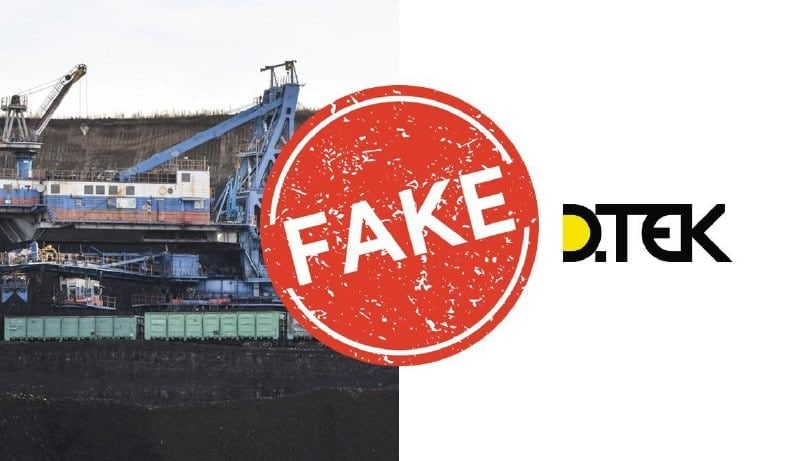
The corporation denies online narratives regarding the supply of Russian coal at the beginning of the full-scale war.
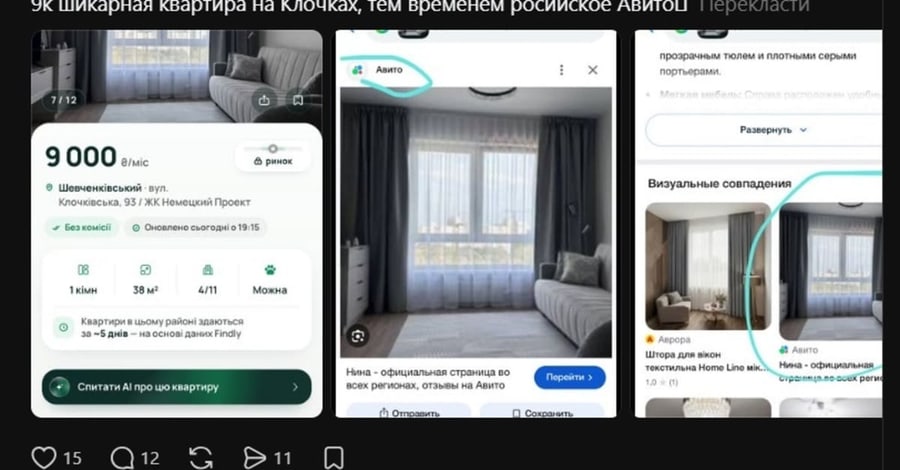
A post appeared on the social network Threads, in which the author provided screenshots of a dialogue with a man named Viktor. He was looking for accommodation to rent at a price of 9,500 hryvnia. According to the publisher, Russians were behind this offer, so she called on other users to be vigilant. Meanwhile, at this point, there is no independent evidence that the rental property does not exist or that the interlocutors actually committed fraud.
The post text states that Viktor was considering a rental option at the specified amount. During communication with the individuals who responded to the ad, he developed doubts about their integrity and a possible connection to the Russian side. The screenshots were published to draw public attention to this situation and warn those looking for housing.
This story sparked a discussion about the safety of searching for rentals online. Other users advise carefully verifying ads, not relying solely on photos, and not transferring funds to strangers before personally inspecting the premises.
It is worth noting that the price of 9,500 hryvnia itself is not an automatic sign of a crime. Such prices are market rates depending on the city, location, and condition of the property. More serious risk indicators are demands to urgently pay a deposit, refusal to show the apartment, unwillingness to confirm ownership rights, and requests to transfer money to third parties.
It is currently unknown whether Viktor transferred funds, contacted the police, or whether a criminal case was opened for this specific incident.
Cases of housing rental fraud have already become the subject of investigations by Ukrainian law enforcement agencies. In particular, the National Police reported the exposure of a group that posted ads online for the rental of non-existent apartments in Kyiv and Kyiv Oblast.
According to the investigation, the scheme's organiser was a native of the Donetsk region who was located on Russian territory. He involved two accomplices from Kryvyi Rih and Kharkiv in the criminal activity. Potential tenants were found through online ads. After starting the correspondence, the fraudsters presented themselves as property owners and persuaded victims to transfer money for booking.
Subsequently, the criminals demanded additional payments: for the first and last month of rent, as well as allegedly for the notarisation of documents. To inspire trust, the organiser could present himself as a police colonel or a military serviceman, sending documents whose authenticity was questionable. The funds received were transferred to the accounts of so-called drops — individuals whose bank details were used to receive and move the money.
This case confirms that rental fraud schemes organised by individuals from Russia have already featured in National Police investigations. However, there is no evidence of a link between the exposed group and the story published on Threads.
Searching for housing online allows for quick comparison of offers but creates conditions for fraud. One of the most common risks is the demand to pay a deposit before personally viewing the apartment. Tenants may be persuaded that the housing is in high demand, so a decision must be made immediately. In such cases, it is advisable to refuse to transfer funds until the property and the landlord are verified.
Before signing a contract, it is advisable to verify the owner's documents against information from the State Register of Property Rights to Real Estate. If an agent is renting out the apartment, it is necessary to check their powers of attorney. Particular attention should be paid to bank details: if asked to transfer money to a third party, it is worth finding out the reason and not rushing to make the payment.
Do not share SMS confirmation codes, CVV codes of bank cards, or other confidential payment data with strangers. If money has already been transferred, it is necessary to save the ad, screenshots of the correspondence, payment documents, and the recipient's details. These materials may be needed when contacting the bank and law enforcement agencies.
Potential fraud can be reported by dialling 102 or through the official channels of the Cyber Police.
Previously, there were reports of the exposure of a fraud scheme involving the rental of non-existent apartments in Kyiv and the region. According to the National Police, the organiser was in Russia, while two of his accomplices helped receive and distribute the victims' money. Law enforcement officers documented damages amounting to hundreds of thousands of hryvnia. There were also reports on how fraudsters use fake housing rental ads, employing attractive photos, lowered prices, and demands to quickly pay a deposit.
Comments
No comments yet. Be the first!