
Trump calls supporters of tougher sanctions on Russia fools
The US leader criticised those advocating for new restrictive measures against Moscow.
The US leader criticised those advocating for new restrictive measures against Moscow.

Polish Prime Minister Donald Tusk called for decisive action to eliminate the consequences of years of lawlessness, despite the potential pain of the process.
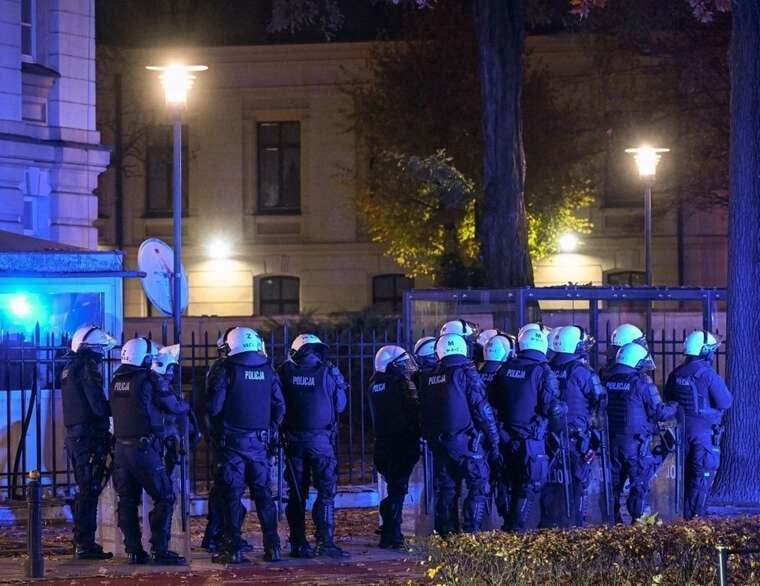
Polish opposition forces accused the authorities of forcibly seizing control of the Constitutional Tribunal following police deployment to the institution and an attempt to change its leadership.
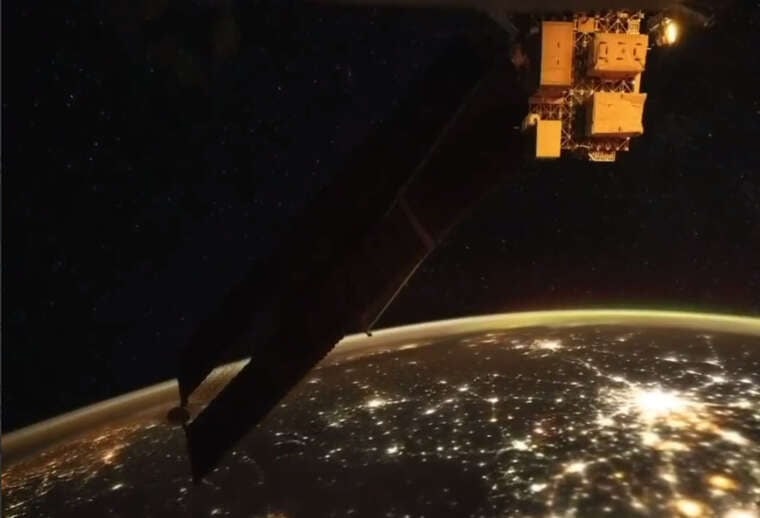
The US space agency showed orbital images reportedly depicting a ballistic strike on the capital. No information is available regarding the time of capture or the circumstances.

The Ministry of Defence reminds that leaving Ukraine during annual leave is only possible after coordination with command and possession of a specific set of documents.
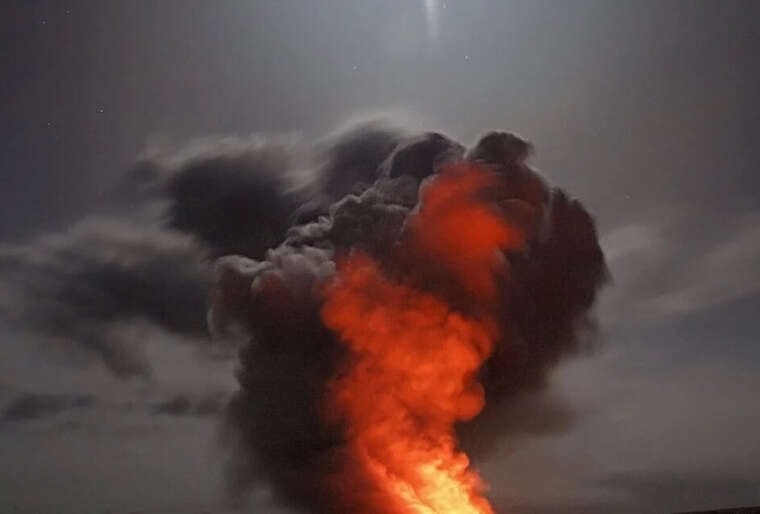
Kyiv-based Telegram channels report voltage spikes in the power grid and mention a strike near the thermal power plant in Troieshchyna.
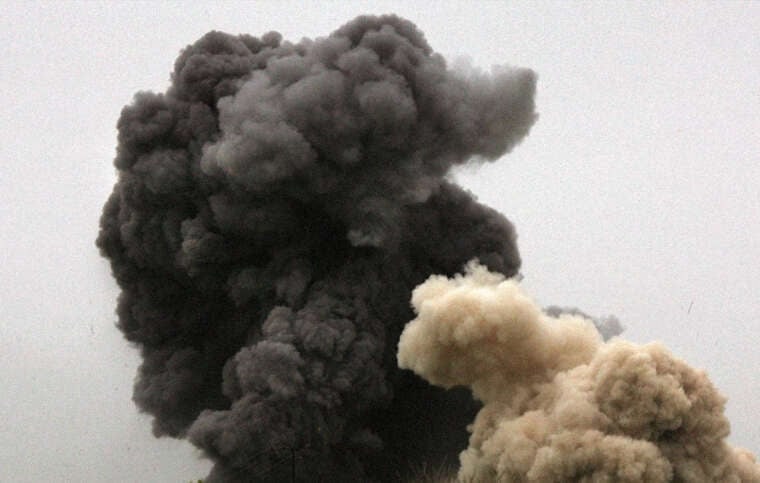
Kyiv Mayor Vitali Klychko reports a confirmed strike on a critical infrastructure facility. Details of the impact are currently being clarified.

SBGS spokesperson Andrii Demchenko explained that the former Prosecutor General crossed the border via Shehyni on the basis of valid documents, and there were no travel bans.
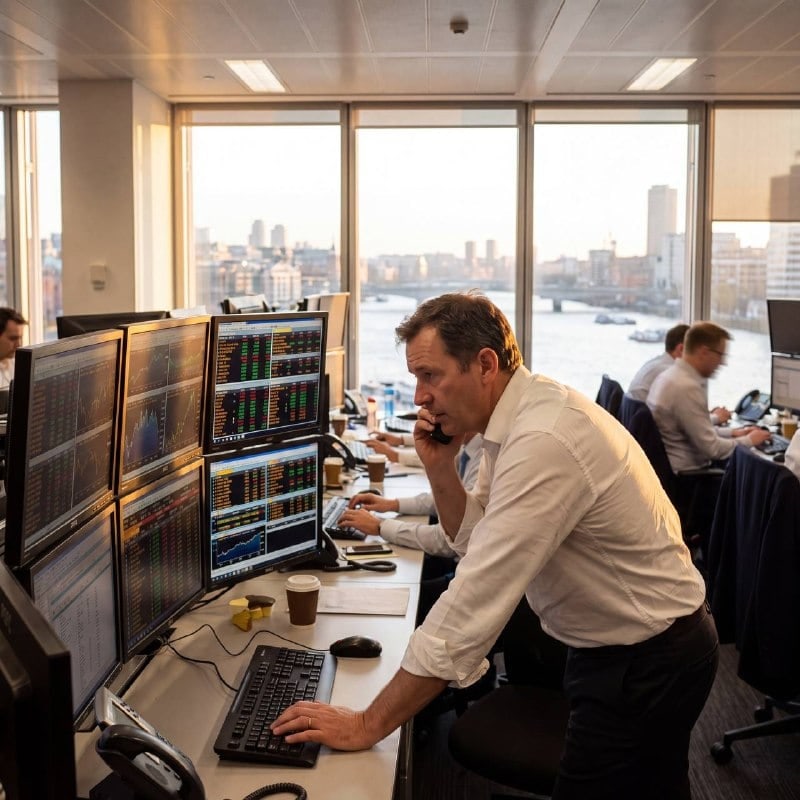
The modern news feed is filled with headlines that systematically instil a sense of anxiety in the reader. Energy and food prices are rising, the tax burden is intensifying, and technological changes, such as the spread of artificial intelligence, are perceived as a threat to jobs. Sanctions, war, and references to a digital Gulag are added to this. Each publication is constructed to maximise the audience's emotional reaction.
However, there is an alternative way to perceive these events. Instead of focusing on the scale of the threat, it is more sensible to ask a different question: who actually gains financial benefit from these processes?
Consider the example of rising food prices. The average person only notices the final price of goods in the store. However, economic logic requires analysing the entire supply chain: fertiliser production, grain processing, elevator operations, and logistics services. Cash flows are formed at the initial stages of this chain, while the shelf price is merely the final result.
Similar logic applies in the technology sector. Everyone is shouting that artificial intelligence will destroy the world. But the question is entirely different. How much electricity will data centres need? Who will build power plants for them? Who will sell cooling systems, who will install equipment, who will lay cables? While some argue about the end of the world, others are signing contracts for its maintenance.
Tax increases can also be viewed in two ways. Instead of emotional debates about the fairness of such measures, it is important to track the redistribution of funds. When the conditions for holding deposits change, capital does not disappear; it changes its route. It flows into bonds, gold, stocks, cryptocurrencies, or real estate. Changes in the regulatory framework merely redirect financial flows without stopping them.
The key difference in approaches is that arguing with the system means wasting time, whereas analysing how changes in its rules alter capital movement brings in money. While most of society discusses the problem, someone is already building their own business on it.
The main principle is that where a problem arises, a financial opportunity appears. However, one should not confuse this with an impulsive reaction to news in the style of "disaster struck, buy stocks urgently". The correct approach involves identifying market participants who will solve future problems and tracking the directions of capital movement.
When an investment idea becomes obvious to a wide audience, a crowd enters the market. The crowd always buys last and at the highest price. Therefore, the investor's main task is to see systemic changes earlier than others.
Whenever news causes anxiety, it is sensible to ask oneself a practical question: where is the money in this situation? Panic always comes at a high price, but it is paid for by those who failed to assess the real financial flows in time.
Comments
No comments yet. Be the first!