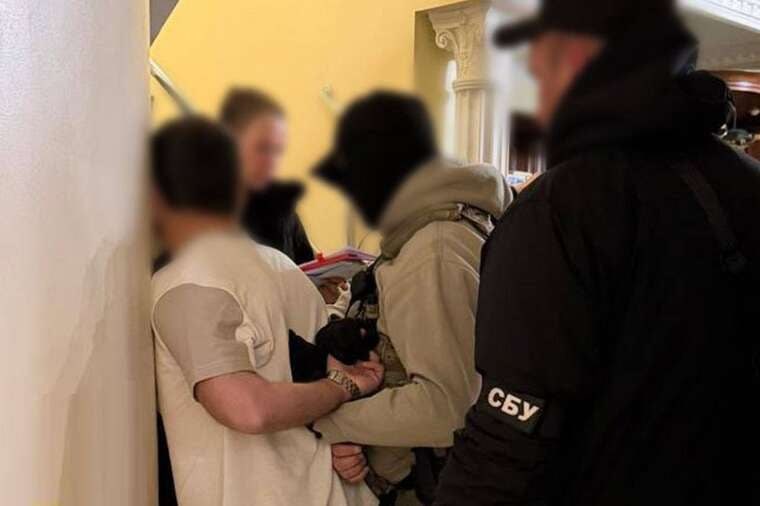
SBU detains head of State Customs Service department for bribes over mobilisation deferments
State Customs Service official detained for receiving $25,000 to employ military-liable individuals for deferments. He faces up to 12 years in prison.
State Customs Service official detained for receiving $25,000 to employ military-liable individuals for deferments. He faces up to 12 years in prison.

TV presenter Masha Yefrosynina explained the reason for the negative reaction to her statement regarding the tragedy of singer Iryna Fedyshyn, admitting that the editing made the video inappropriate.
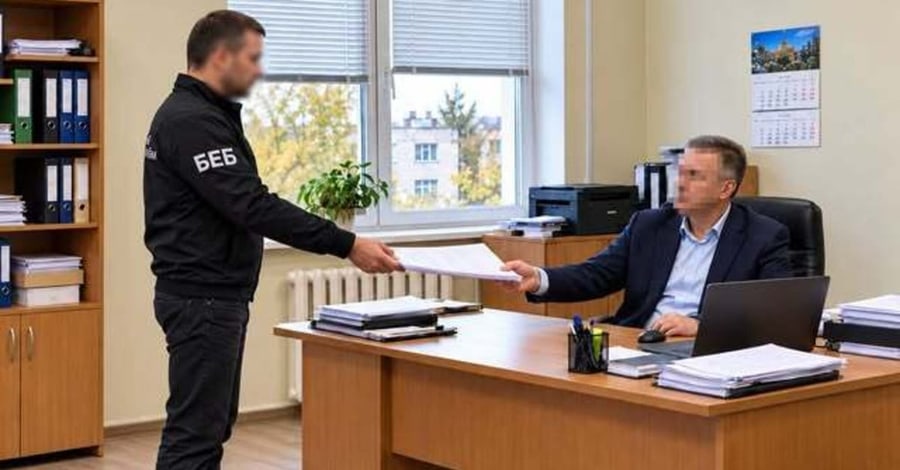
Investigation established that the company falsified documents for agricultural product purchases to hide actual suppliers. The director was charged with intentional tax evasion in especially large amounts.
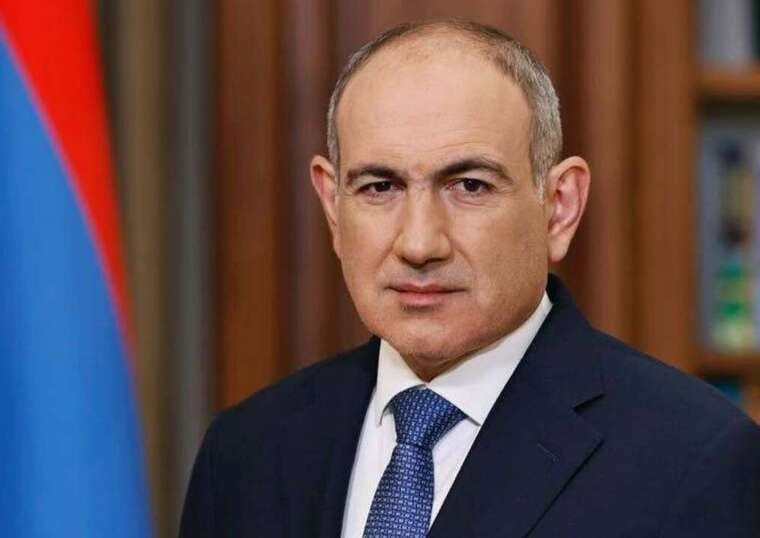
Armenian Prime Minister Nikol Pashinyan stated that negotiations with Azerbaijan include considering a scenario for exchanging enclave and exclave territories, specifically Artsvashen.
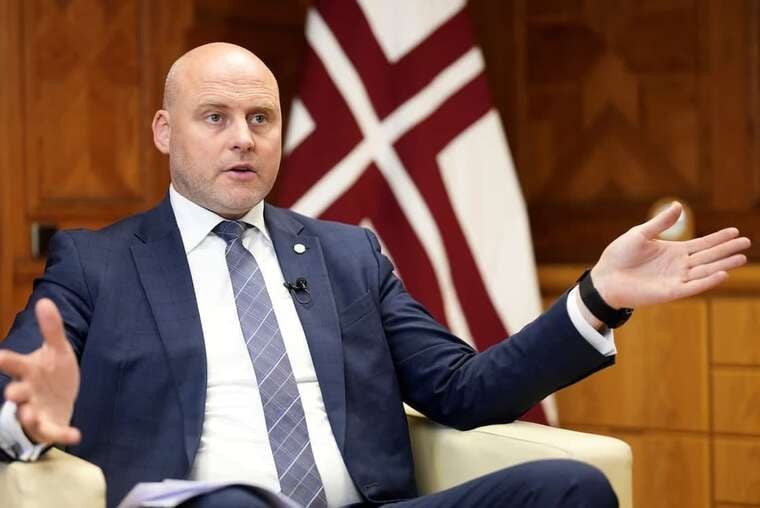
Andris Kulbergs stressed that small personal donations from EU citizens could be critically important for saving lives in Ukraine.
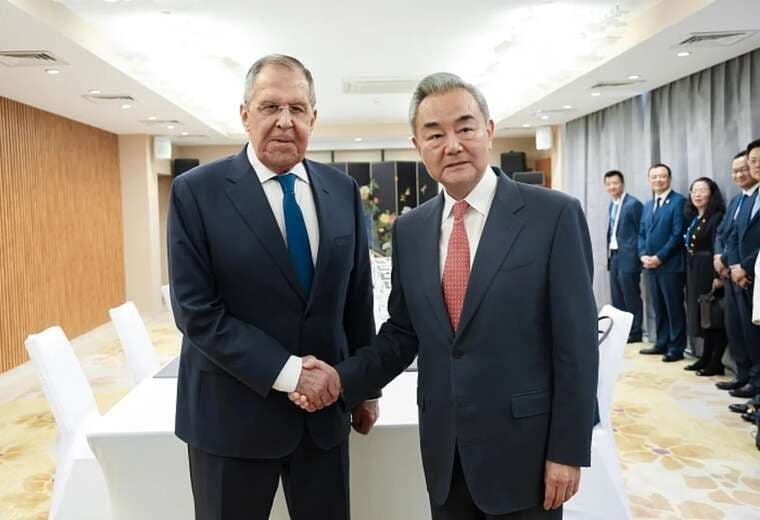
The foreign ministers of Russia and China held a meeting ahead of the CICA summit, discussing Russia's war against Ukraine and bilateral relations.
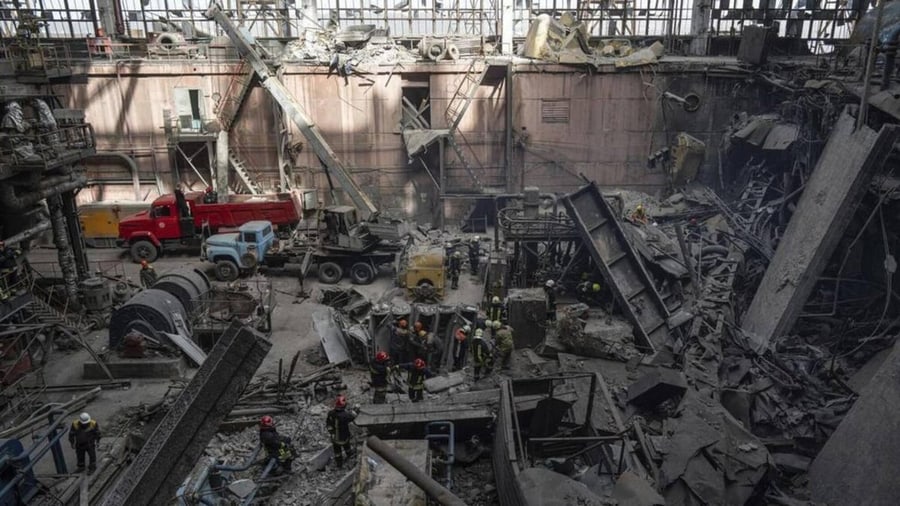
According to The New York Times, an intercepted document indicates Russia's intent to cut electricity and heating supplies in three cities by 90% using up to 1,000 munitions.

The Strasbourg court has officially registered the lawsuits of Oschadbank employees, who are complaining about unlawful detention and torture by Hungarian authorities.
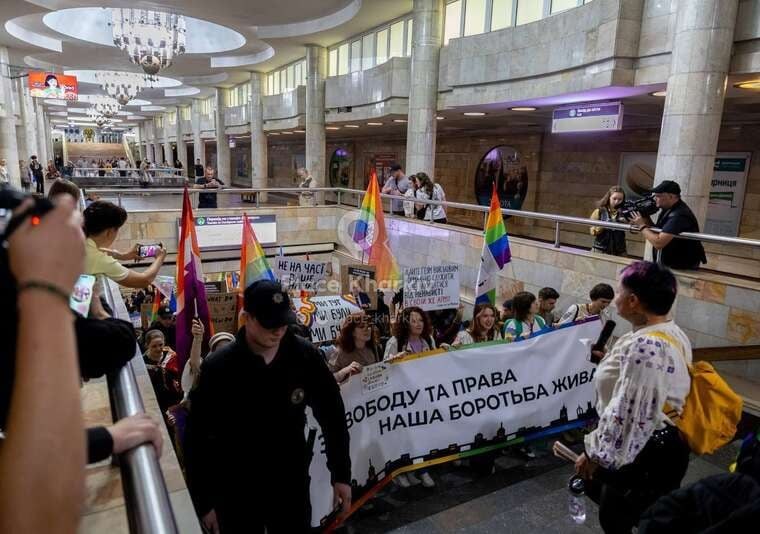
President of Ukraine Volodymyr Zelensky signed Decree No. 1038/2026 "On the National Strategy in the Field of Human Rights". This act approves the updated version of the strategy and simultaneously repeals the previous document, which was approved on 24 March 2021 by Decree No. 119/2021. The new decree enters into force from the day of its publication.
According to a report by the publication "Sudovo-Yurydychna Gazeta", the provisions of the new strategy apply to the entire territory of the state and concern all persons under the jurisdiction of Ukraine, regardless of their citizenship or other characteristics. The document takes into account the specifics of martial law caused by Russia's armed aggression, the needs of reconstruction and the country's course towards joining the European Union.
The strategy defines three key goals:
The document outlines a wide range of priorities, including the right to life, respect for human dignity, prevention of torture, freedom of speech and peaceful assemblies, access to justice, healthcare, education, work, housing, social protection and a safe environment.
Specific provisions are dedicated to the rights of particular categories of citizens: children, people with disabilities, veterans, internally displaced persons, residents of temporarily occupied territories, persons deprived of liberty as a result of Russian aggression, indigenous peoples and national minorities. The strategy also explicitly provides for the protection of LGBTIQ+ rights, and counteraction to discrimination, domestic and sexual violence.
Operational goal 13 of the strategy focuses on ensuring the right to access to justice. It provides for the possibility of unimpeded access to courts and the use of out-of-court mechanisms for the protection of rights. The document takes into account problems that have arisen due to the war: the suspension of operations of some courts, changes in the territorial jurisdiction of cases, displacement of people and difficulties in accessing information.
To address these challenges, the following main directions have been identified:
Operational goal 14 of the strategy concerns the prevention and counteraction to discrimination, hate speech and criminal offences committed on the basis of intolerance, as well as the observance of LGBTIQ+ rights. The document provides for combating various forms of unequal treatment, hate speech and hate crimes. Particular attention is paid to the rights of LGBTIQ+ individuals, national minorities and people with disabilities.
To achieve this goal, the following directions have been identified:
The document states that the implementation of the strategy should contribute to the fulfilment of Ukraine's obligations within the framework of negotiations on accession to the European Union. In particular, it mentions the roadmap on the rule of law, which belongs to negotiation cluster 1 "Foundations of the EU accession process". This cluster covers basic requirements for candidate countries, in particular in the area of the rule of law and protection of fundamental rights.
Another task is defined as reducing the number of unenforced decisions of the European Court of Human Rights. The strategy also takes into account interim key indicators defined in the Joint Position of the European Union of 12 June 2026.
The Cabinet of Ministers of Ukraine must develop and approve an operational plan for the implementation of the National Strategy for 2027–2029 within six months. In preparing the document, the government must involve relevant state authorities, other state bodies, local self-government bodies, representatives of civil society and leading experts in the field of human rights.
Thereafter, operational plans must be approved every three years. Every year by 1 April of the year following the reporting year, the government must inform the president about the state of their implementation.
Comments
No comments yet. Be the first!