Three key figures in the criminal case regarding the death of Russian opposition figure Boris Nemtsov are likely no longer behind bars. According to data published by the outlet "Proekt" on 16 November, Zaur Dadayev, as well as brothers Anzor and Shadid Gubashev, are formally listed as participants in the war against Ukraine, but are actually in Grozny.
Message to the politician's family
The deceased's daughter, Zhanna Nemtsova, received a message in the summer of 2026 that confirms this version. "Zhanna, look at the situation. Your father's killers – […] the Gubashev brothers and Zaur Dadayev – are free; formally they are on the 'SVO', but actually in Grozny. Did you know anything about this?" – reads the text of the letter.
Analysis of sentences
The legal terms of imprisonment for those convicted end quite late: for Dadayev – in 2035, for Anzor Gubashev – in 2034, and for Shadid Gubashev – in 2031. Even under the condition of early release for good behaviour, they could have been released no earlier than 2028, 2027 and 2025 respectively.
Everyday life in Chechnya
According to Russian media, the former prisoners are now leading an inconspicuous life in the Chechen Republic, trying to avoid publicity. A source for the outlet "Proekt" claims that all three were given a condition: to maintain a quiet lifestyle, otherwise they would be returned to the colonies.
Journalists found confirmation of this in document leaks and databases. Thus, Dadayev is registered in the mountain village of Yukarchoy in Chechnya, while the Gubashev brothers have likely settled in Grozny and its surroundings. According to the source, all three are now leading an ordinary civilian life, have families and plans to purchase their own housing.
Status of other convicts
Other participants in the crime have also been released. Khamzat Bakhaev served his prison term in the spring of 2026. Temirlan Eskerkhanov left the colony back in 2024, after signing a contract with the Russian Ministry of Defence.
Context of the crime
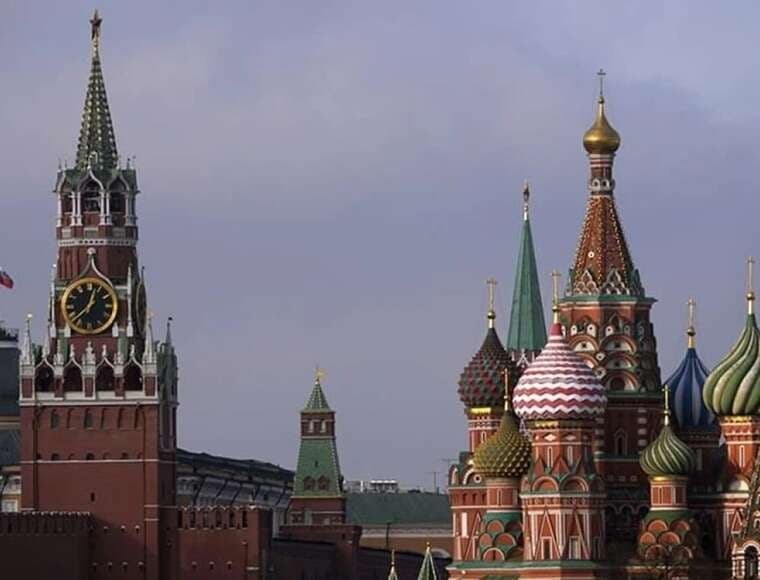
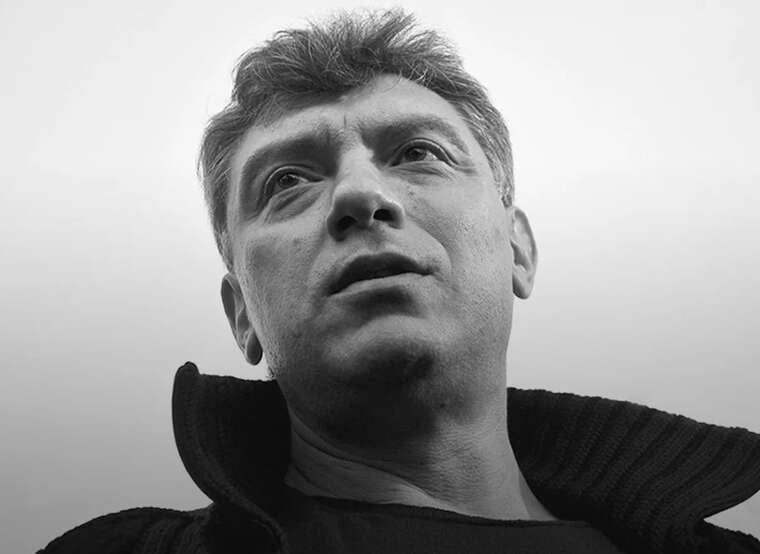
On 27 February 2015, Boris Nemtsov was shot in Moscow on the Bolshoy Moskvoretsky Bridge, a few hundred metres from the Kremlin. This event became a symbolic point of no return for Russian politics, as the country lost its last federal-level systemic opposition figure. Nemtsov was not a new face of protest; he was part of the system that had moved into the opposition, while retaining the most dangerous things for the Kremlin: legitimacy, experience, contacts and public recognisability.

Comments
No comments yet. Be the first!