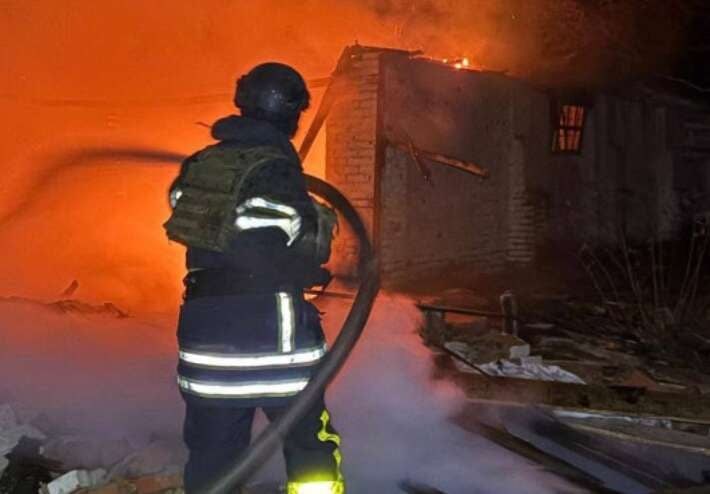
Chernihiv under UAV attack: four people injured
Head of the Chernihiv City Military Administration Dmytro Bryzhynskyi reported on the consequences of a Russian drone strike on the city on 28 October.
Head of the Chernihiv City Military Administration Dmytro Bryzhynskyi reported on the consequences of a Russian drone strike on the city on 28 October.
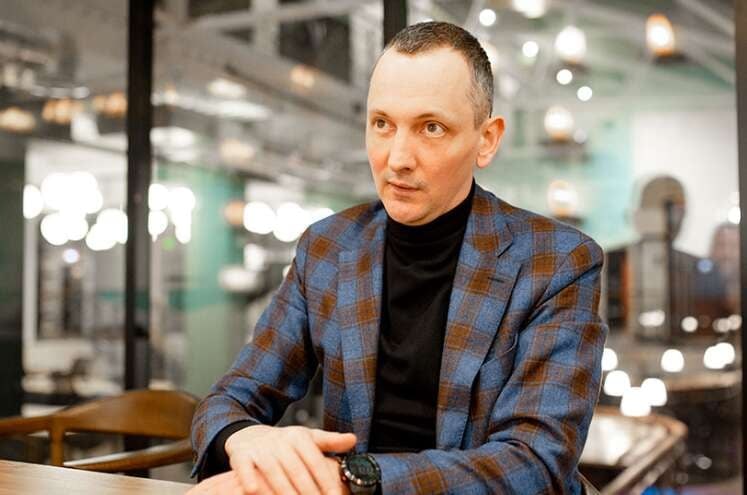
Yuriy Holik, who posed as a consultant for the "Big Construction" project, concealed income from the tax authority and NABU. A road company linked to him received state orders worth UAH 22.28 billion.
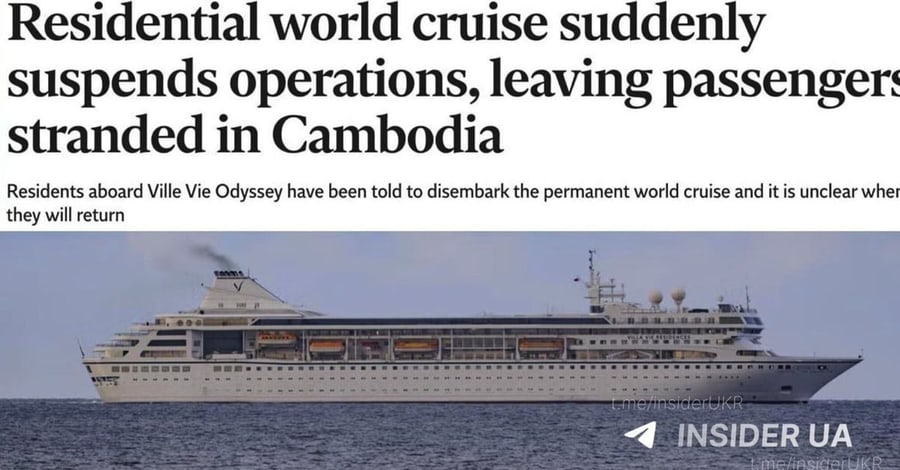
Passengers who sold their homes to live permanently on the ship were ordered to disembark immediately. Fuel costs rose to $8,000 per cabin, rendering the business model financially unsustainable.
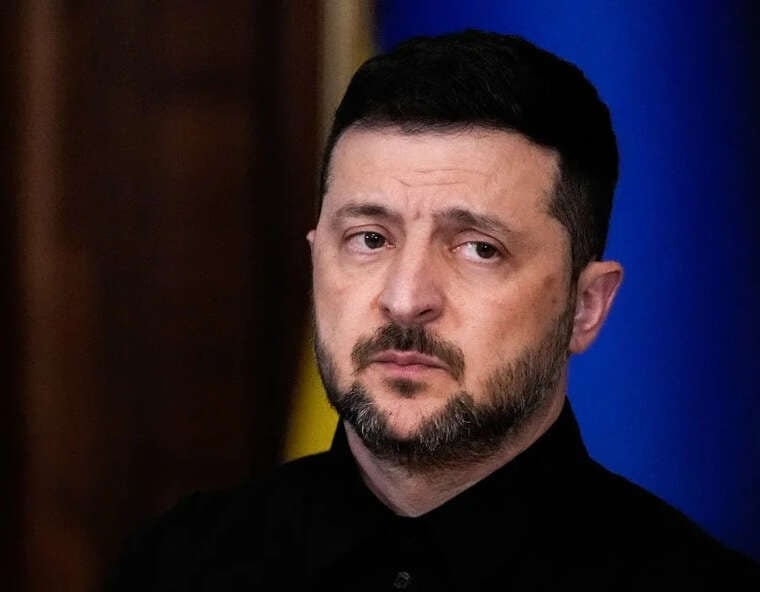
The President of Ukraine explained that a distributed network architecture allows connectivity to be maintained despite attacks, whereas Russia's centralised system is more vulnerable to such strikes.

A group of 18 MPs presented their own version of regulating real estate agent activities, responding to the initiative involving Olena Shulyak.
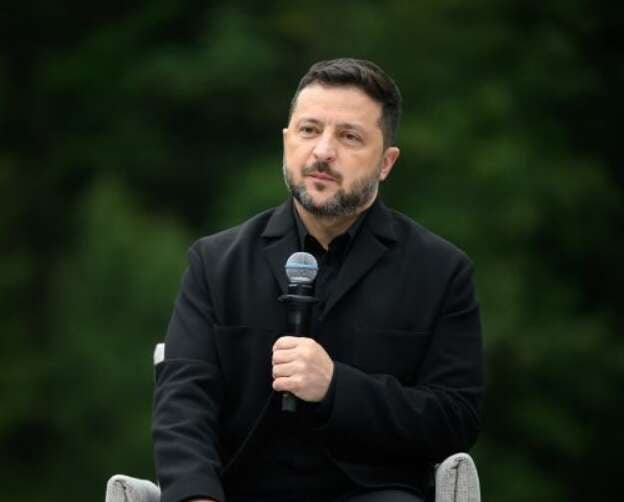
UK Finance Minister announces plans to provide Ukraine with $13 billion in economic and military support.
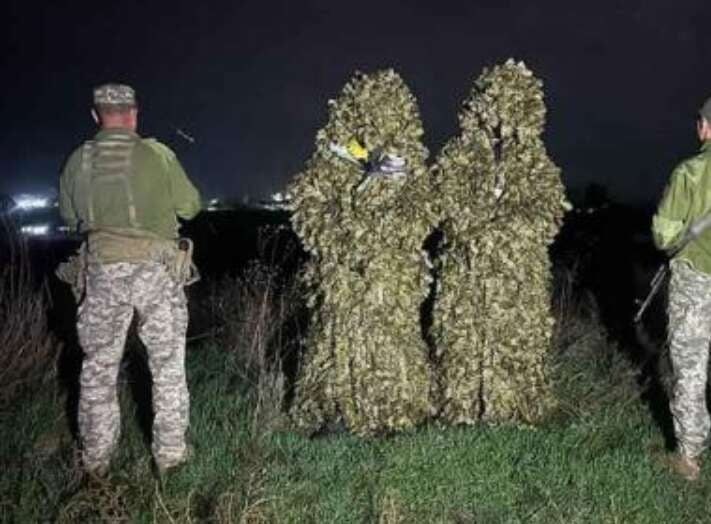
Border guards from the Podillia detachment detained two residents of Rozdilna district who attempted to cross the border illegally in special camouflage suits.
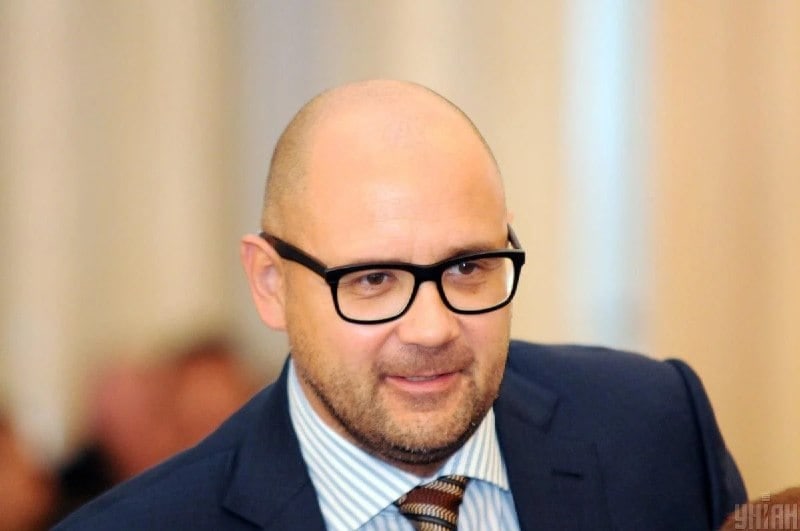
Swedish police have detained 55-year-old Dmytro Sviatash, who arrived from Russia. He is being held in custody after a ban on entry to the Schengen Area was discovered.
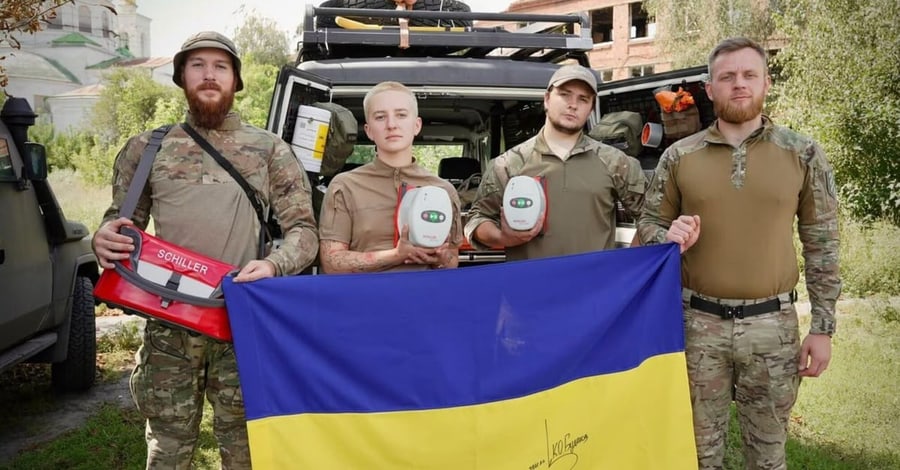
Under the "Resuscitation at the Front" initiative, the 1st Separate Medical Battalion received approximately 20 EasyPulse devices. The equipment was handed over by Oleg Krot, the Nadia Youth Initiative Charity Foundation, and the Christian Corps. The programme is implemented with the support of Valeriy Dubily, chairman of the foundation's supervisory board and First Deputy Chairman of the Verkhovna Rada Committee on National Health, as well as Vita Prysiazhnuk, the foundation's president.
The unit is responsible for providing aid to the wounded along a front line section exceeding 150 kilometres in length. The new equipment is being integrated into the operations of evacuation vehicles, stabilisation points (including underground ones), as well as forward surgical teams and departments.
Kateryna "Cherry", the head of medical supply for the battalion, emphasises that these devices are essential for teams that daily receive severely wounded patients and perform resuscitation measures under difficult evacuation conditions.
A fighter from the 1st Separate Medical Battalion, who works in medical evacuation and is known by the callsign "Dyadko", explains the specifics of their use:
"Наше завдання — довезти пораненого з НРК або точки передачі до стабпункту. Через ускладнену евакуацію пацієнти часто потрапляють до нас у критичному стані. Серце може зупинитися, треба його "качати" — для цього нам і потрібні EasyPulse. Ці апарати справді рятують життя", — розповідає "Дядько". ("Our task is to transport the wounded from the neutral unloading point or handover point to the stabilisation point. Due to complicated evacuation, patients often reach us in a critical condition. The heart may stop, and it needs to be 'pumped' — that is why we need the EasyPulse. These devices truly save lives," says "Dyadko".)
The EasyPulse devices, manufactured by the Swiss company Schiller, automatically perform chest compressions during cardiopulmonary resuscitation. This allows medical personnel to carry out resuscitation measures even while transporting the wounded to a stabilisation point or hospital.
Valeriy Dubily noted that the handover of such devices began at the start of the full-scale invasion, when medical workers were already facing extremely difficult evacuation conditions. After the initial deliveries, the organisers received the most important feedback from medical professionals: the devices save lives. This experience became the impetus for scaling up the programme.
"Наше завдання — щоб якомога більше медичних команд мали обладнання, яке дає пораненому шанс вижити", — додав Валерій Дубіль. ("Our task is to ensure that as many medical teams as possible have equipment that gives the wounded a chance to survive," Valeriy Dubily added.)
In total, 360 EasyPulse devices have been handed over to medical services under the "Resuscitation at the Front" programme. Additional support for the initiative is provided by Artem Chaplyhin and Anton Bahur.
The equipment is used in units of the Main Directorate of Intelligence of the Ministry of Defence of Ukraine, as well as in medical units of the Armed Forces, the National Guard, the National Police, and the State Border Guard Service. The devices are also used at the Mechnikov Hospital, military hospitals, and frontline hospitals.
Comments
No comments yet. Be the first!