
Criminals demand $768m to keep Revolut client data undisclosed
Personal and financial data of users, including the owner of Gamdom and Skins.com, may have been leaked following a cyberattack on the British fintech bank.
Personal and financial data of users, including the owner of Gamdom and Skins.com, may have been leaked following a cyberattack on the British fintech bank.
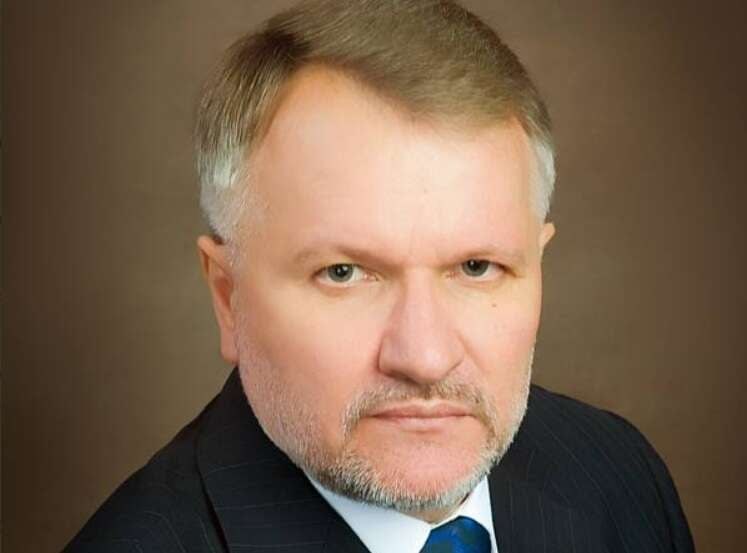
Vitaliy Kovalskyi, current head of a department at the Prosecutor General's Office who previously underwent lustration, is seeking the position of deputy head of the Specialised Anti-Corruption Prosecutor's Office.

For the week ending 27 September, revenues from the sale of Russian oil reached a maximum since the start of the full-scale invasion due to rising prices and supply volumes.

Larysa Moskviska, who presents herself as a financial planning expert, publishes content for the scandal-hit KIT Group, whose activities were restricted by the National Bank of Ukraine.
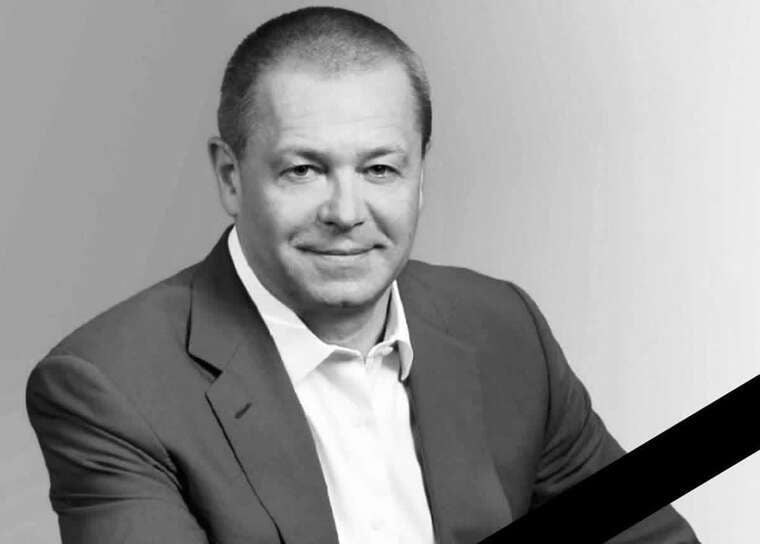
The politician died at the age of 61 in a road traffic accident. He served as the director of the "Klass" supermarket chain in Kharkiv.
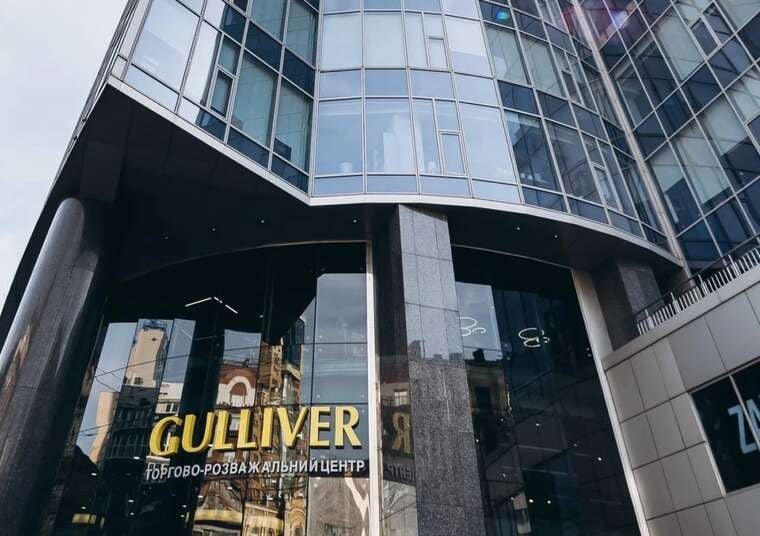
Oschadbank and Ukreximbank have announced a stock exchange auction for the disposal of a large office and retail complex in Kyiv, previously seized due to debts.

Law enforcement detained 17 individuals who sold vapes containing narcotics through "Bob Marley" venues and online stores, disguising them as legal supplements.

According to the authors of the publication, an establishment providing intimate services may be operating in the Delmar residential complex in central Dnipro. It concerns an apartment on the 15th floor of the building at 72B Dmytro Yavornytskoho Avenue.

The National Anti-Corruption Bureau of Ukraine (NABU) and the Specialised Anti-Corruption Prosecutor's Office (SAP) carried out a large-scale operation, "Clean City", aimed at combating corruption in Kyiv's land and budget sectors.
During the investigation, a criminal organisation led by a former deputy of the Kyiv City Council was exposed and dismantled.
The criminal network was involved in seizing valuable land plots in the capital for development, as well as controlling the decision-making process of city authorities regarding land allocation.
The perpetrators registered fictitious ownership rights over non-existent structures, after which they submitted applications to the city council to formalise plots for their maintenance. This method allowed them to bypass mandatory auctions and obtain land without competition.
NABU detectives detained nine members of the criminal organisation in accordance with Article 208 of the Criminal Procedure Code of Ukraine. Among them are:
Searches were also conducted at the residence of Andrii Palatnyi, head of the executive committee of Vitali Klitschko's UDAR party.
Among the suspects are:
Members of the organisation not only manipulated the land allocation process but also created artificial obstacles for those attempting to obtain land through legal means. Officials received bribes in the form of cash and real estate for making "correct" decisions.
The head of the criminal organisation had influence over personnel appointments at the KCDA, the distribution of budget funds, and the adoption of key decisions. The centre for managing illegal schemes moved from official buildings to private offices, where meetings with officials and developers took place.
The criminals used shell companies, encrypted communications, counter-surveillance, and other methods of concealment. However, NABU detectives managed to uncover the scheme and gather evidence.
Between 2023 and 2024, land plots in the centre of the capital worth 11.6 million hryvnia were illegally removed from the property of the Kyiv community. However, thanks to the prompt actions of law enforcement officers, the theft of six land plots with a total value of 83.7 million hryvnia was prevented.
In addition, an attempt by the criminals to force a private enterprise to cease its operations in order to seize its land for development was thwarted. A case of offering a bribe of US$100,000 to a Kyiv City Council deputy for assisting the criminal organisation was also recorded.
The fight against corruption in the land sector continues, and law enforcement agencies intend to hold all those involved accountable.
Comments
No comments yet. Be the first!