
Criminals demand $768m to keep Revolut client data undisclosed
Personal and financial data of users, including the owner of Gamdom and Skins.com, may have been leaked following a cyberattack on the British fintech bank.
Personal and financial data of users, including the owner of Gamdom and Skins.com, may have been leaked following a cyberattack on the British fintech bank.
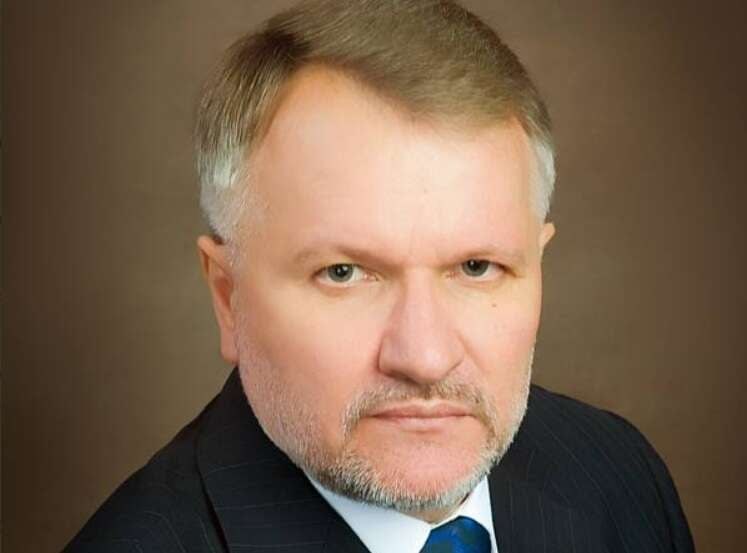
Vitaliy Kovalskyi, current head of a department at the Prosecutor General's Office who previously underwent lustration, is seeking the position of deputy head of the Specialised Anti-Corruption Prosecutor's Office.

For the week ending 27 September, revenues from the sale of Russian oil reached a maximum since the start of the full-scale invasion due to rising prices and supply volumes.
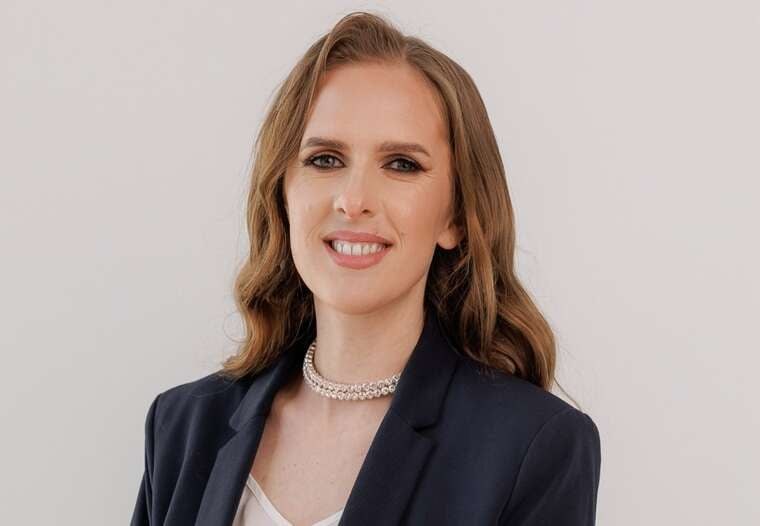
Larysa Moskviska, who presents herself as a financial planning expert, publishes content for the scandal-hit KIT Group, whose activities were restricted by the National Bank of Ukraine.
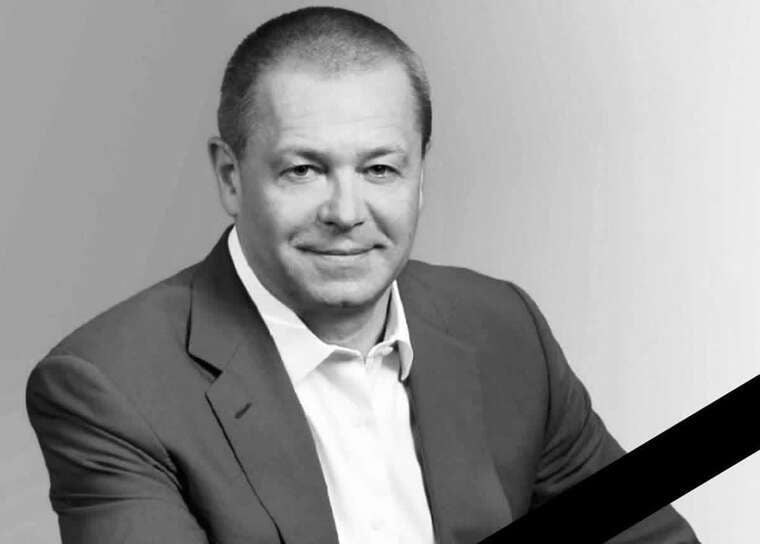
The politician died at the age of 61 in a road traffic accident. He served as the director of the "Klass" supermarket chain in Kharkiv.
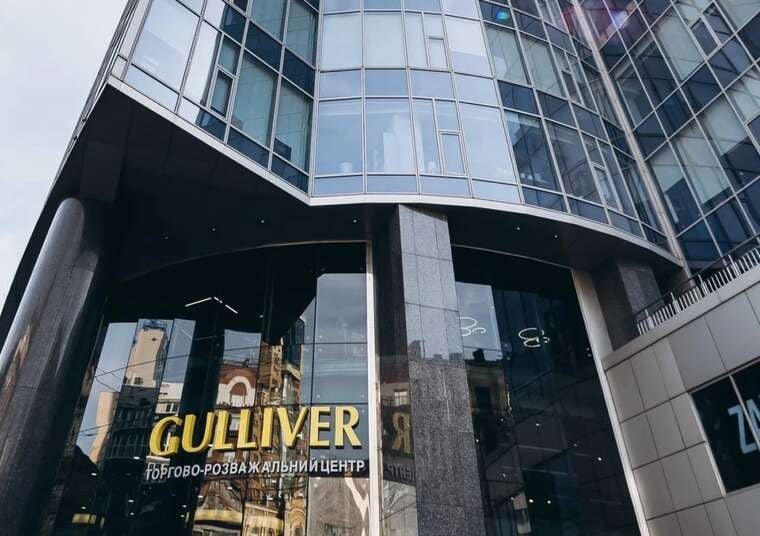
Oschadbank and Ukreximbank have announced a stock exchange auction for the disposal of a large office and retail complex in Kyiv, previously seized due to debts.

Law enforcement detained 17 individuals who sold vapes containing narcotics through "Bob Marley" venues and online stores, disguising them as legal supplements.

According to the authors of the publication, an establishment providing intimate services may be operating in the Delmar residential complex in central Dnipro. It concerns an apartment on the 15th floor of the building at 72B Dmytro Yavornytskoho Avenue.

The Covid-19 epidemic and the war have given free rein to numerous fraudsters and corrupt officials. Among them is Maksym Bagreev, the beneficial owner of the company "Kratiya". He has devised several schemes for enrichment.
The legal import of pharmaceuticals into Ukraine requires mandatory certification confirming compliance with national standards.
This process is intended to guarantee the quality and safety of medicines, preventing "placebo drugs" from entering the market. However, it was precisely at this stage that mechanisms for extracting personal gain were created.
How does the system work?
Organisations conducting certification must be officially registered and possess the necessary authority. However, as practice shows, this process often becomes a fiction, where formal documents replace actual expertise.
Maksym Bagreev is a key figure in the shadow business of pharmaceutical certification. He created a network of companies positioned as offering "consulting services". In practice, these firms became tools for extracting funds from the pharmaceutical business through bribes and documentation manipulation.
Companies under Bagreev's control
Under his management are organisations with various names: Kratiya LLC, "Kratiya Legal", "Kratiya Bureau", "Professional Regulatory Services", and others. They all act as intermediaries, serving not only manufacturers but also high-ranking officials involved in corrupt schemes.
During the coronavirus pandemic, the scheme manifested particularly clearly. Bioeasy rapid tests from China were certified in Ukraine by Bagreev's structures, despite doubts about their quality. In Spain, these tests were rejected due to low accuracy and the manufacturer's lack of a licence. Nevertheless, in Ukraine, they were put on sale as officially certified medical devices.
How was this possible?
In this case, the certification process was reduced to the fictitious processing of documents, without any real analysis of the product. This suggests that corrupt agreements played a key role.
Until 2013, pharmaceutical certification was handled by the state enterprise "State Pharmacological Centre". Schemes for obtaining permits began to form in the mid-2000s, when Maksym Bagreev started his activities as an intermediary between suppliers and state structures.
Key changes
After a change in leadership at the State Pharmacological Centre, the scheme took on a more systematic character. The new management team introduced the idea of working with "legal intermediaries", which allowed them to avoid direct responsibility and simplify the process of "resolving issues". It was then that consulting companies, such as Pattern LLC, registered by Bagreev, appeared.
Financial flows
The schemes created around certification have become a source of significant income for their organisers. This not only undermines the economy but also contributes to the deterioration of the quality of medical services, as substandard drugs may enter the market.
Risks for consumers
The use of uncertified or knowingly substandard medicines threatens public health. Particularly dangerous are cases where drugs with unproven efficacy are sold under the guise of medicines.
Shadow schemes in the pharmaceutical sector pose a serious threat to the economy and citizens' health. The example of Maksym Bagreev's activities demonstrates how deficiencies in the control system can be exploited for selfish purposes. Solving the problem requires not only stricter legislation but also increased transparency in the operations of certification bodies.
Based on materials from the website Kompromat
Comments
No comments yet. Be the first!