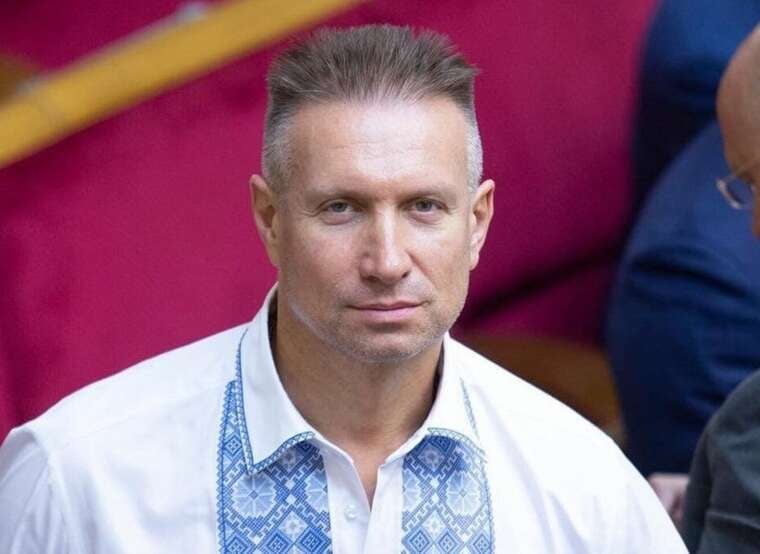
Journalists uncover hidden assets of MP Vatsak: $3.5m car fleet and state losses
Investigation reveals network of luxury cars in Gennadiy Vatsak's circle and series of violations in his business causing multi-million losses to state budget.
Investigation reveals network of luxury cars in Gennadiy Vatsak's circle and series of violations in his business causing multi-million losses to state budget.

Law enforcement officers discovered a contraband batch of electronics in a minibus crossing the state border via the Krakovets – Korchova checkpoint.
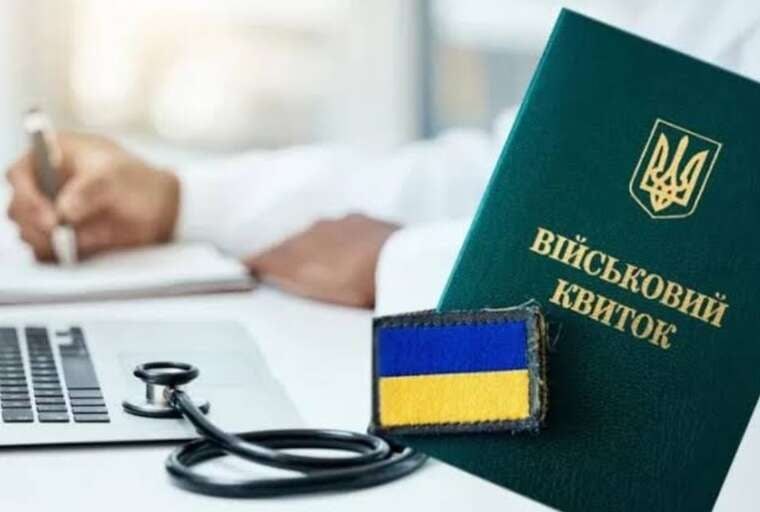
A court in Chernihiv has sentenced the head of a military medical commission to prison for establishing and leading an organised group that issued fictitious medical certificates.
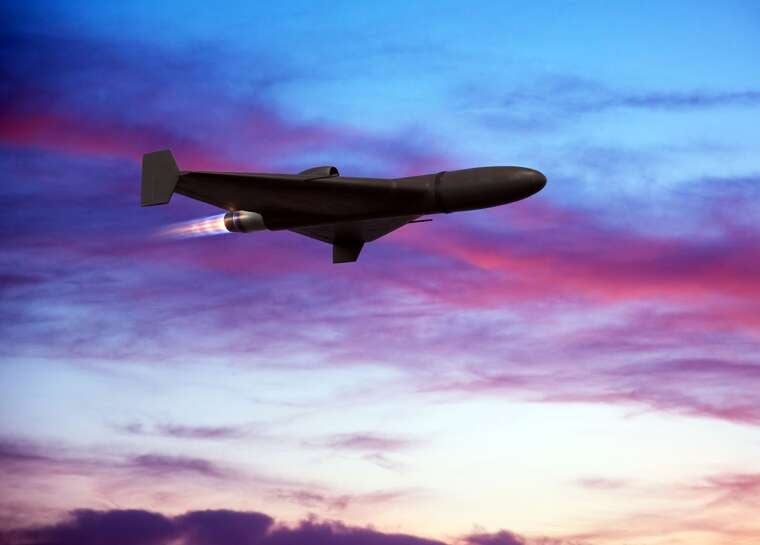
Officers Mykola Savchenko and Ihor Voloshko rescued a woman and her grandson from the rubble after a Russian shelling. During the evacuation, Savchenko lay on top of the child to protect him from a new UAV launch.
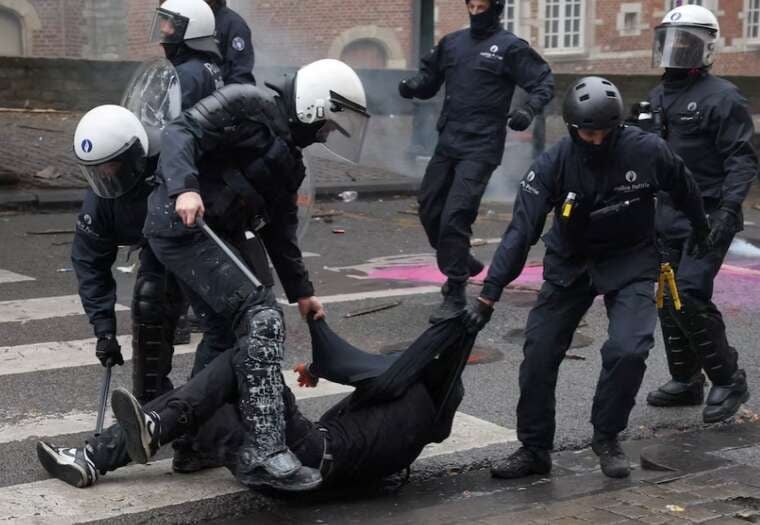
Mass march in Canada for affordable education ended in riots. Police used tear gas, and three demonstrators were detained.

Major tech giants are financing their own clients to purchase their services. The IMF has allocated $1.4 trillion to such cyclical deals.

The Ukrainian tennis player secured a victory in the final round of the group stage with a score of 6:3, 3:6, 6:1 and will continue her campaign at the tournament in Indian Wells.
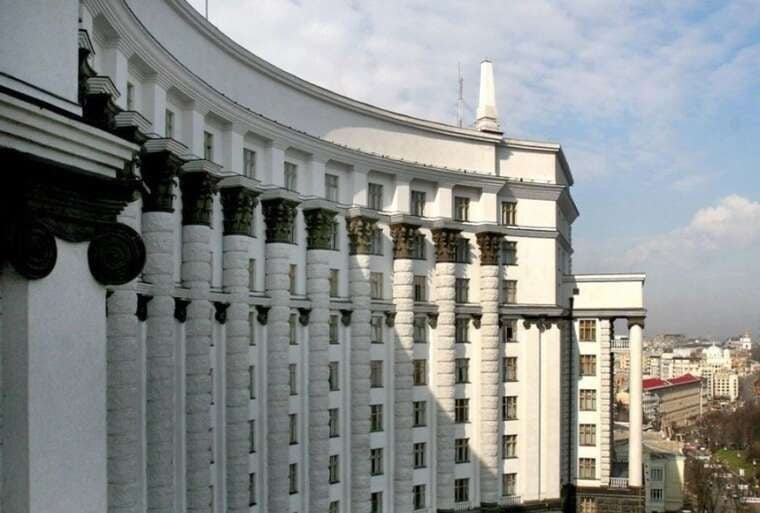
The Cabinet of Ministers approved a bill on updating the strategy, which provides for the restoration of war-damaged territories and the integration of EU requirements.

The United Arab Emirates and Russia are in the final stages of creating a joint cryptocurrency network, which could open a new chapter in global financial settlements.
The initiative, which emerged during a period of intensified sanctions pressure on Moscow, gained momentum following the adoption of a law signed by Vladimir Putin in September last year. This document legalised the use of digital currencies for foreign trade settlements. Thus, the Kremlin attempted to find an alternative to traditional banking systems, which have been subject to restrictions.
However, despite the project's ambition, experts express doubts about its ability to replace established financial mechanisms. The problem lies not only in the legalisation of cryptocurrency but also in creating infrastructure capable of ensuring stable and secure transactions.
The United Arab Emirates serves as a key partner for Moscow in this project. In November 2024, UAE authorities passed a law exempting cryptocurrency transactions from value-added tax, thereby creating favourable conditions for working with Russian companies.
In addition, there has been a sharp increase in the number of Moscow-based companies with dual registration in the UAE. In 2024, their number increased sevenfold compared to the previous year. This indicates capital movement and the preparation of infrastructure to circumvent sanctions restrictions.
Although the cryptocurrency network may facilitate settlements, it faces a number of obstacles. One of the main ones is the complexity of interacting with key trading partners, such as China. In the Middle Kingdom, the use of cryptocurrency is strictly prohibited, forcing Moscow to seek workarounds.
According to analysts, the most likely scenario will be the use of an intermediary country that can convert digital assets into traditional currencies in compliance with Chinese legislation. Such an intermediary must possess a developed digital infrastructure and loyalty to Russia.
Against the backdrop of confrontation with the West, Moscow is actively promoting the idea of creating an alternative financial system. Despite the failure at the BRICS summit in Kazan, where most participants did not support Russia's initiative, the UAE and Iran expressed readiness to cooperate.
An important step was the signing of a double taxation avoidance agreement, which is being prepared for ratification. This document will serve as further evidence of strengthening economic ties between the countries.
Experts warn that the launch of the cryptocurrency network could pose a challenge for Ukraine and its partners. Although Russia's transition to digital currencies is limited by the volume of available assets and capital flight risks, such a mechanism could partially alleviate the pressure of sanctions.
The only effective tool to counter this project may be pressure on the UAE from the United States. Washington should intensify diplomatic efforts to prevent the Emirates from cooperating with Moscow in this area.
Comments
No comments yet. Be the first!