
Starokostiantyniv resident scammed out of 14,000 hryvnia in rental deal
Police are investigating an incident where a man transferred a prepayment for an apartment, but the landlord disappeared.
Police are investigating an incident where a man transferred a prepayment for an apartment, but the landlord disappeared.
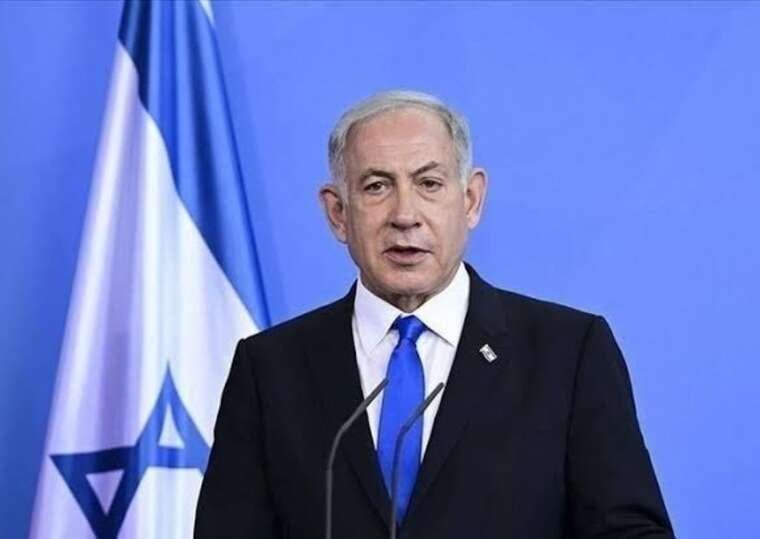
A mass rally against the Netanyahu government, organised by hostage families, took place in Tel Aviv. The opposition demands the establishment of an independent inquiry committee.
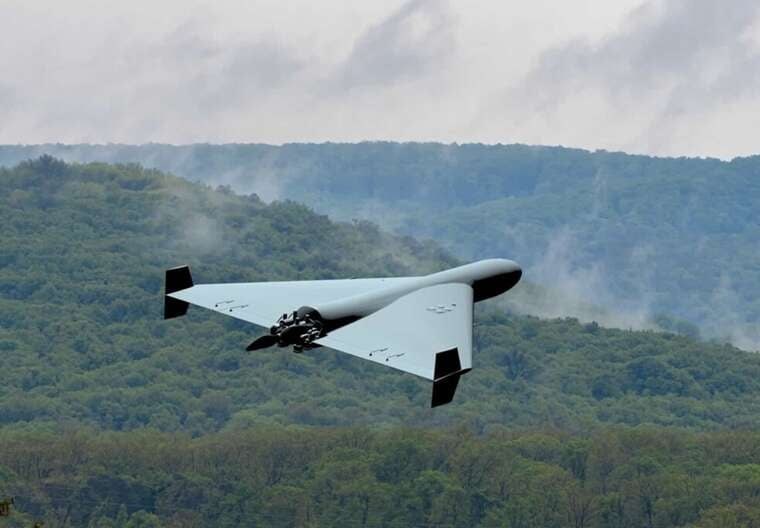
Latvia's National Armed Forces discovered drone remains in Alūksne. The aircraft likely entered the country's airspace a week ago. No casualties were reported.

US Secretary of State Marco Rubio explained that Washington is granting Russia a temporary sanctions relief to assess their impact on the economy and secure a portion of Russian diesel fuel supplies.

Elon Musk stated that Ukraine used Starlink for offensive strikes, which violates the rules. The relevant function has been disabled, but the system remains critical for defence.
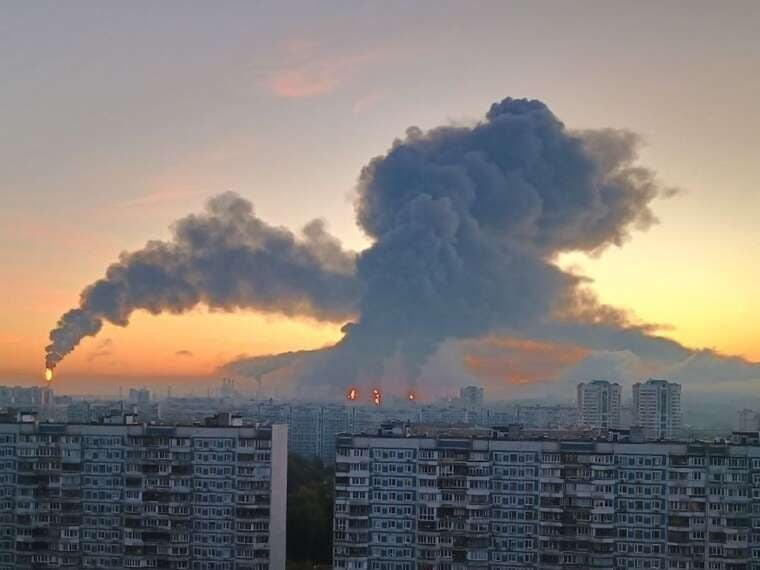
According to Bloomberg, the expansion of the long-range campaign became possible due to the development of domestic production and complex intelligence preparation.
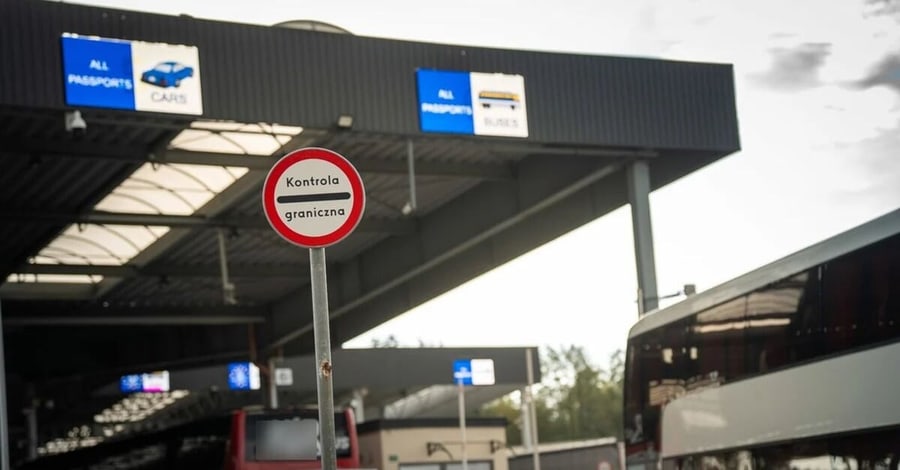
Polish border guards found a Ukrainian citizen hiding in the toilet of an international bus. She was banned from entering the Schengen area for three years.
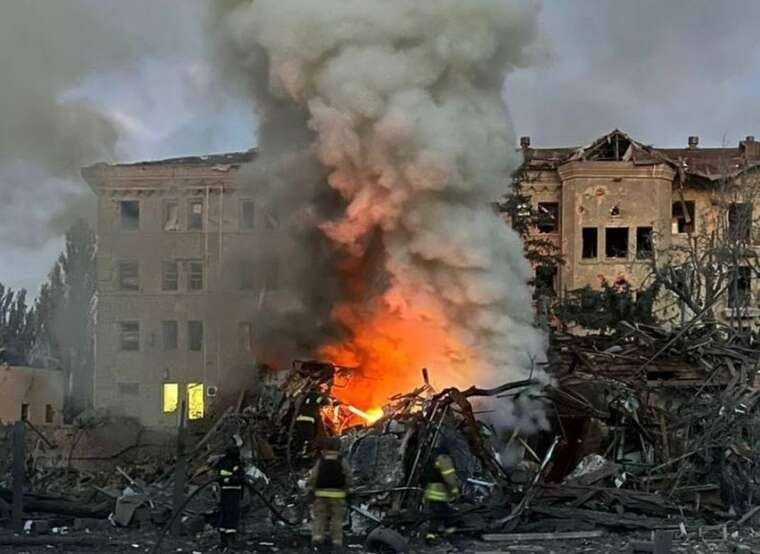
Head of the Sloviansk Military Administration Vadym Lyakh reported on the use of heavy aerial bombs by occupiers, which resulted in infrastructure destruction and civilian injuries.
According to materials from the Bloomberg news agency, Ukraine has significantly expanded the scale of long-range strikes on oil refining industry facilities and logistics infrastructure deep inside Russia. The Kairos unit plays a key role in this process, with its activities enabling increased pressure on Russian military targets, oil refineries, and maritime logistics.
In the initial stage, Ukrainian medium-range strike platforms operated at a distance of approximately 100 kilometres and carried a warhead with a mass comparable to a bowling ball. Today, a significant part of the arsenal consists of small and inexpensive cruise missiles capable of reaching targets deep inside Russia and in temporarily occupied territories. Targets include air defence systems, gas terminals, and oil refining enterprises.
Such a transformation became possible thanks to the development of Ukrainian production and complex operational planning. The military rely on detailed maps, an extensive intelligence network, and satellite imagery provided by Western partners, on which Russian air defence assets are visible.
Experienced specialists from the energy sector are involved in the process, helping to identify vulnerable points in production facilities. For instance, in September, the Kairos unit, together with other units, caused a fire at an oil refinery in the Moscow region. Preparing this strike required not only the latest satellite imagery but also an analysis of archival images to compare changes at the facility and determine specific elements to be targeted. This approach allowed for the refinement of the mission.
Ukraine's ability to strike deep inside Russia has grown significantly compared to last year. Meanwhile, a cold winter is approaching, and resources for Ukraine's air and missile defence are dwindling. Relations with the United States, which previously provided Kyiv with the greatest support, are also experiencing a downturn. US President Donald Trump and Ukrainian President Volodymyr Zelensky have exchanged sharp statements in recent weeks.
For strikes on Russian territory, Ukrainian forces cannot use SpaceX's Starlink as a communication channel, as the service is disabled there. Various solutions were tested for controlling platforms beyond the radio horizon, but none proved as effective and simple as installing a Starlink terminal on the platform. Such operations employ both drones, which operators control remotely all the way to the target, and cruise missiles, which are pre-programmed to fly to a designated location.
The availability of communication also explains the higher effectiveness of strikes in occupied territories of Ukraine compared to attacks deep inside Russia. Operators can receive video from drones almost until the moment of impact. However, recent speed restrictions on Starlink disrupted this work. Meanwhile, during night tests on 24 October, Ukraine no longer recorded such restrictions for Starlink terminal connections.
The prolonged Ukrainian campaign of drone and cruise missile strikes is likely the largest in history. The Russian Ministry of Defence regularly reports hundreds of Ukrainian strike assets in its airspace overnight. Although Russia maintains an advantage in ballistic missiles, with which it attacks Ukrainian cities, the near-continuous strikes on its territory have allowed Kyiv to largely equal the adversary in the number of strike assets employed.
Kairos also conducts numerous operations in occupied territories within Ukraine's internationally recognised borders. This was facilitated by agreements between the Ministry of Defence and SpaceX at the beginning of the year, which provided for the creation of a "white list" of Starlink terminals. This mechanism blocked Russian military access to the system and allowed Ukrainian operators to use it for flights over occupied territories.
The results of Kairos's work became the basis for its expansion from a battalion to the 7th Separate Unmanned Systems Centre. This is a larger structure with hundreds of servicemen, which can also command other units. The expansion of Kairos is occurring simultaneously with an increase in the number of attacks on Russian refineries, gas terminals, tankers in the Black Sea, and military facilities. During the summer operation to isolate Crimea, the Unmanned Systems Forces recorded seven thousand drone strikes in this theatre of operations.
The consequences of strikes on distant targets are already being felt by the Russian economy. Russian consumers face shortages and rising prices. The disabling of data processing centres complicates internet traffic and trade.
Comments
No comments yet. Be the first!