
Starokostiantyniv resident scammed out of 14,000 hryvnia in rental deal
Police are investigating an incident where a man transferred a prepayment for an apartment, but the landlord disappeared.
Police are investigating an incident where a man transferred a prepayment for an apartment, but the landlord disappeared.
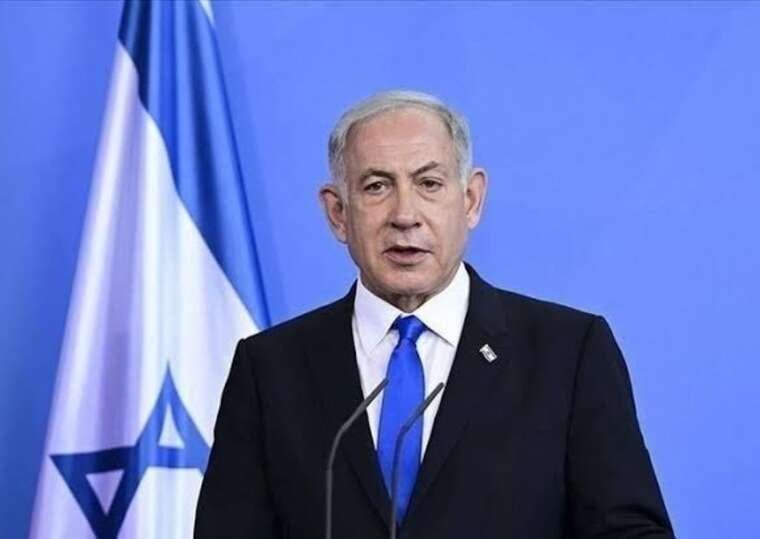
A mass rally against the Netanyahu government, organised by hostage families, took place in Tel Aviv. The opposition demands the establishment of an independent inquiry committee.
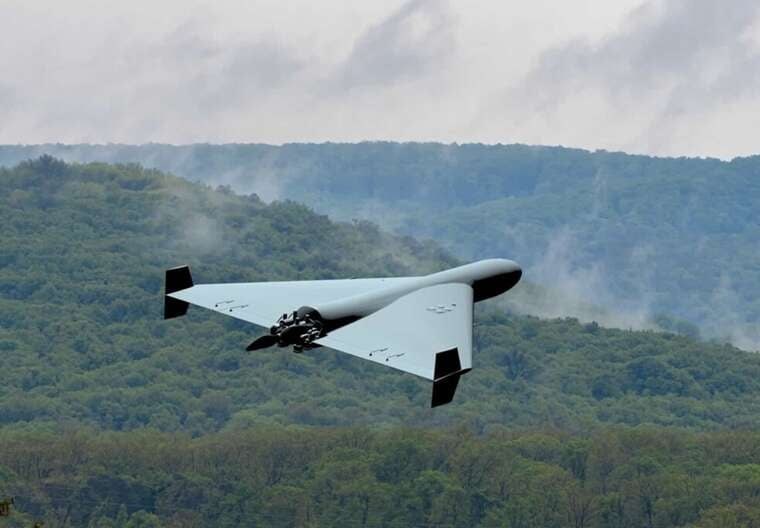
Latvia's National Armed Forces discovered drone remains in Alūksne. The aircraft likely entered the country's airspace a week ago. No casualties were reported.

US Secretary of State Marco Rubio explained that Washington is granting Russia a temporary sanctions relief to assess their impact on the economy and secure a portion of Russian diesel fuel supplies.

Elon Musk stated that Ukraine used Starlink for offensive strikes, which violates the rules. The relevant function has been disabled, but the system remains critical for defence.
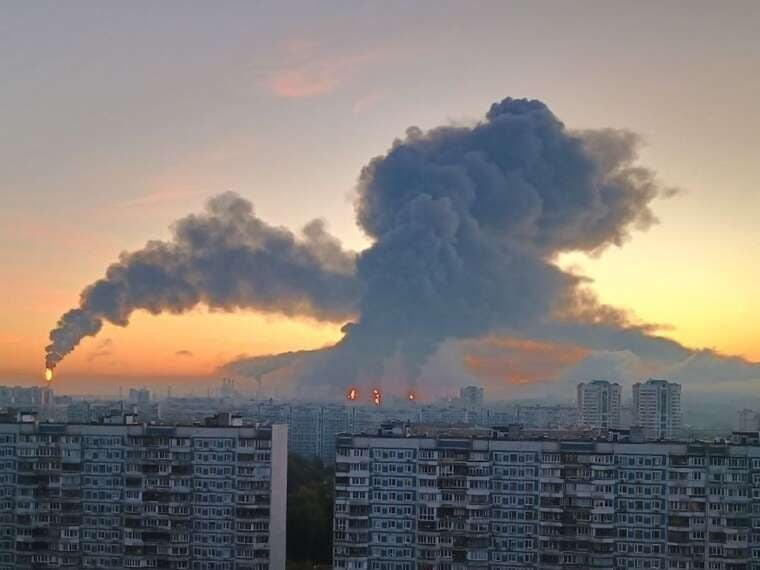
According to Bloomberg, the expansion of the long-range campaign became possible due to the development of domestic production and complex intelligence preparation.

Polish border guards found a Ukrainian citizen hiding in the toilet of an international bus. She was banned from entering the Schengen area for three years.
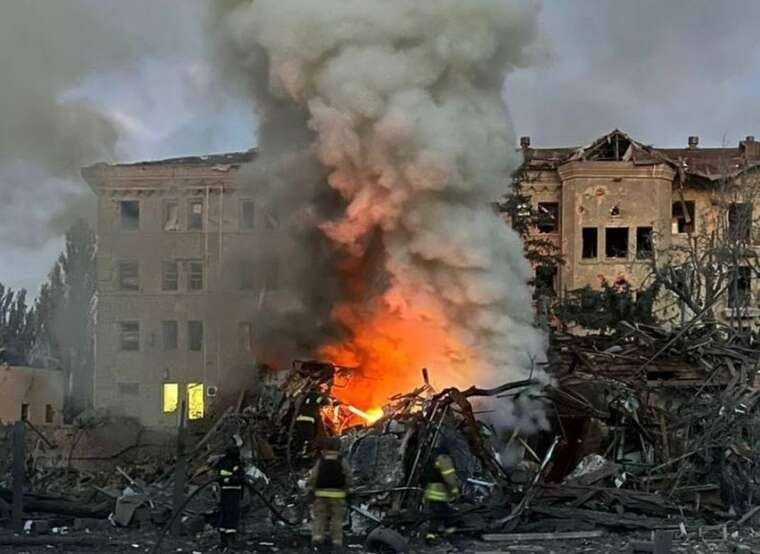
Head of the Sloviansk Military Administration Vadym Lyakh reported on the use of heavy aerial bombs by occupiers, which resulted in infrastructure destruction and civilian injuries.
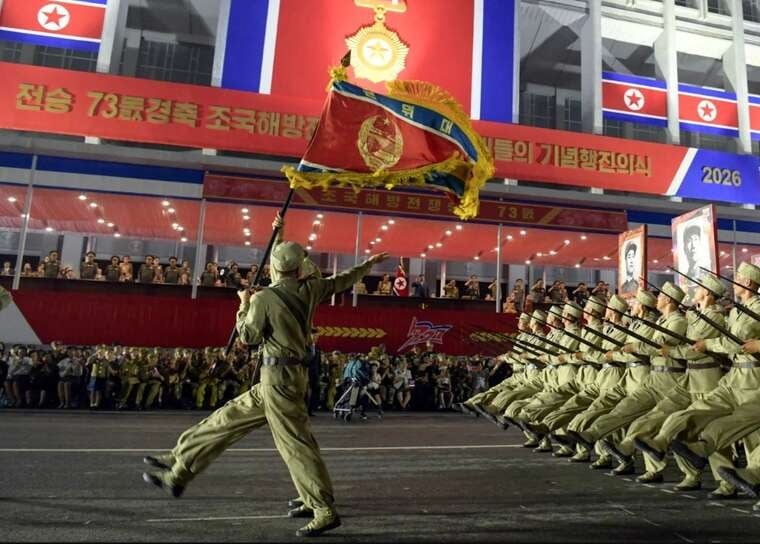
The military partnership between North Korea and Russia has become a key factor enabling Pyongyang to accelerate the modernisation of its arsenal. As The New York Times notes, by supplying weapons and personnel for combat operations in Ukraine, North Korea received valuable combat experience and data on the real-world application of its weapon systems in return.
Against the backdrop of an intensifying arms race on the Korean Peninsula, where both states are actively conducting missile tests, Pyongyang is accelerating the development of more powerful warheads and strike drones. Anton Ponomarenko, a researcher at the Pacific Forum who tracks Russian-North Korean cooperation, emphasises that combat data and the results of weapon usage are of particular significance. This experience has helped North Korea improve the accuracy and manoeuvrability of its warheads, making the threat to South Korea more tangible.
Cooperation with Russia has also expanded Pyongyang's capabilities in the field of unmanned aerial vehicles. Analysis of military operations in Ukraine and the Middle East has taught North Korean military personnel that cheap drones can effectively overload expensive air defence systems. In the future, this could lead to the use of large-scale swarm attacks by such devices against South Korea and the US forces stationed there.
The effectiveness of the new tactics has already been demonstrated during September exercises, when North Korean drones attacked a target island simultaneously with cruise and ballistic missiles launched from different directions. Military experts believe that further development of this strategy will force Seoul and its allies to spend significant funds on rebuilding air defence systems.
According to Ukrainian officials, Russia has engaged 12,000 North Korean workers at factories producing "Geran-2" drones in Tatarstan. Meanwhile, Russian officers are being sent to North Korea to train drone operators. A sanctions monitoring group warned in September about the risks of such cooperation.
The growing Russian demand for North Korean labour in various defence sectors increases the likelihood of transferring critical military technologies to Pyongyang. Photos from North Korean leader Kim Jong Un's September visit to a drone factory already indicated the start of mass production of these devices. Hong Min, an analyst at the Korea Institute for National Unification in Seoul, predicts a further deepening of the imbalance between cheap attacks and expensive defence.
In early October, North Korea launched a ballistic missile from its eastern coast under the personal supervision of Kim Jong Un. Pyongyang stated that the missile is capable of carrying a nuclear warhead. It flew towards the waters between the Russian Far East and the Japanese island of Hokkaido. According to Pyongyang, the warhead performed sharp, irregular wave-like manoeuvres at a speed several times exceeding the speed of sound, which is associated with hypersonic weapons. The North Korean authorities declared that such an attack is impossible to evade.
During the test, Kim Jong Un urged the military to repeatedly convince the enemy of the reliability and lethality of its weapons. Shin Chong Woo, Secretary-General of the Korea Forum for Defence and Security in Seoul, assessed this launch as something more than a simple display of force. In his view, it demonstrated that the development of the North Korean hypersonic system has reached its final stage.
Lami Kim, head of the Korea programme at the London-based International Institute for Strategic Studies, draws attention to the fact that the most serious risk from Russian-North Korean cooperation may extend beyond the Korean Peninsula. If Moscow helps Pyongyang acquire the capability to deliver direct nuclear strikes on the US, Washington may hesitate to provide assistance to Seoul. In her assessment, such a scenario would undermine trust in US deterrence guarantees, as the US would face the prospect of risking nuclear strikes on its own cities in order to defend South Korea.
Comments
No comments yet. Be the first!