
Four injured in Russian shelling of Vinnytsia
The enemy attack on the city caused damage to energy infrastructure, a civilian enterprise, and transport vehicles.
The enemy attack on the city caused damage to energy infrastructure, a civilian enterprise, and transport vehicles.

Head of the patrol police stated that criminals are impersonating the official chatbot to steal money from bank cards.

Four-year-old cat Zeus has once again become a participant in a railway adventure, travelling almost 60 kilometres without a ticket. The owner uses two trackers to monitor his movements.

US President signed an order requiring the Attorney General to ensure swift and irreversible punishment for those sentenced to death at the federal level.

The author suggests that the current market drop is the final stage of panic selling, after which announcements of state reserves and a sharp rise in the asset's value may follow.

Analysis highlights the contradiction between rhetoric on Bitcoin's worthlessness and government actions to create strategic reserves and a legal framework for controlling digital assets.

A review of the key stages in the biography of Bohdan Danylyshyn, who headed the National Bank of Ukraine from 2016 to November 2023.
Ukraine's Defence Minister reported record missile production rates in Russia. Analysis indicates a critical global shortage of interceptor production capacity.
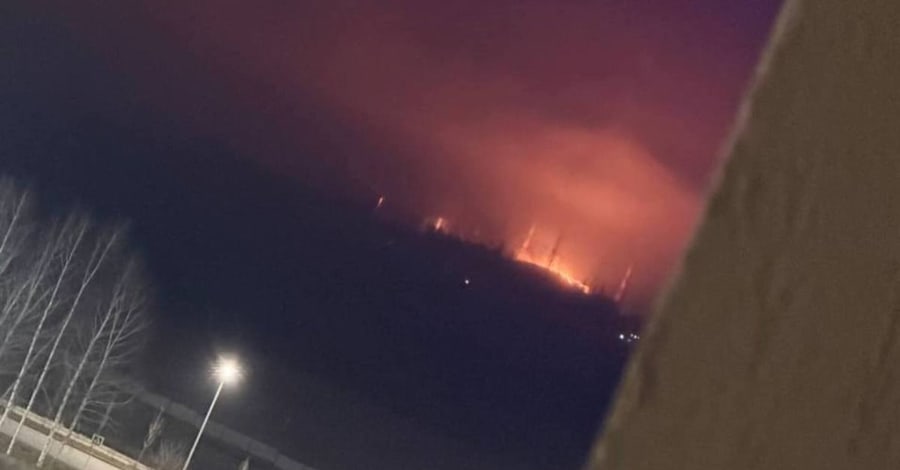
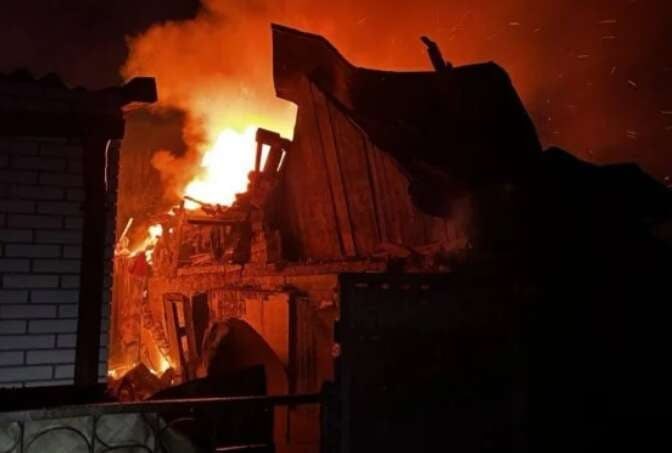
On the night of 23 November, Russian oil refining and transport facilities came under attack by unmanned aerial vehicles. Local residents and monitoring resources reported fires and explosions. The main targets were facilities in Rostov Oblast and Tatarstan.
In the city of Novoshakhtinsk, residents recorded a series of powerful explosions and massive fires. Analysts from the OSINT group ASTRA, having examined video footage from eyewitnesses, established that the fires started in the area of two fuel facilities: the Novoshakhtinsk Petroleum Products Plant and the "TATA-GAZ" enterprise, which specialises in the storage and sale of fuel.
Local information channels suggest that the strikes may have caused the detonation of petroleum product storage tanks.
The Novoshakhtinsk Oil Refinery is one of the largest oil refining enterprises in southern Russia. Its design capacity is up to 7.5 million tonnes of oil per year. The plant produces diesel fuel and aviation kerosene, serving as one of the suppliers of petroleum products to the Russian army. This is not the first time the enterprise has become a target for strikes.
The second target for the drones was the "Kaleykino" oil pumping station, located near the city of Almetyevsk in Tatarstan. According to monitoring channels, hits on several tanks were recorded. Local residents also reported explosions and subsequent fires.
It is worth noting that this is the second attack on this infrastructure in a short period: the previous strike on the station took place on 19 November.
The "Kaleykino" station is one of the key nodes in the Russian oil transport system. It receives, blends, and pumps oil from the regions of Western Siberia, Tatarstan, Udmurtia, and Bashkortostan. From there, the raw material is directed via trunk oil pipelines, including the "Druzhba" system.
Final data on the scale of the destruction and the consequences of both attacks are currently being clarified.
Comments
No comments yet. Be the first!