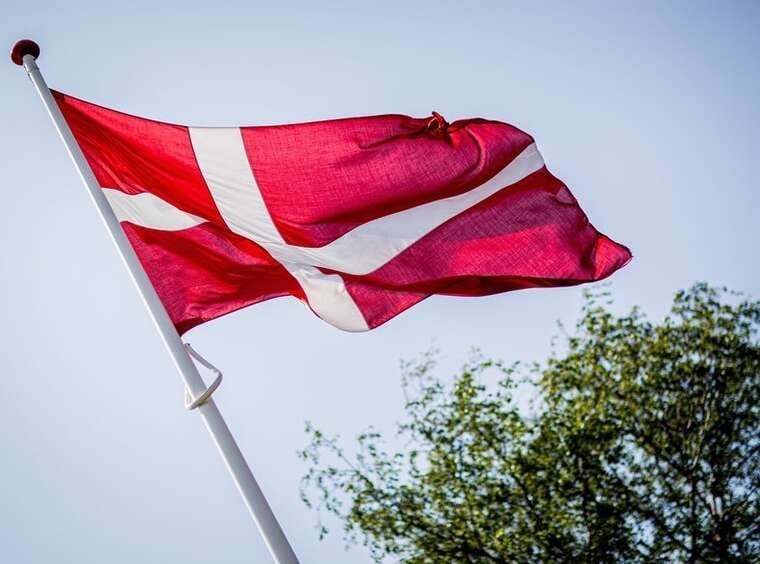
The Danish Security and Intelligence Service (PET) reported that Moscow has changed its approach to conducting hybrid warfare, shifting from predominantly intelligence activities to the execution of specific acts of sabotage. The primary targets of such actions are Danish companies involved in military support for Ukraine.
Tactical shift: from preparation to action
As noted by PET spokesperson Josephine Christensen, previously, mostly preparatory stages and intelligence activity were recorded. However, since the beginning of summer, a noticeable increase in the number of already executed operations has been observed. According to Danish intelligence analysts, Moscow's priority has become facilities that can directly affect the logistics and supply of the Ukrainian army, primarily defence industry enterprises.
It is worth noting that as early as September, PET reported the existence of specific Russian planning for sabotage on Danish territory. At that time, defence industry plants and companies linked to military supplies to Ukraine were also named as potential targets.
Methods of recruiting perpetrators
The security service revealed that to carry out certain tasks, the Russian side uses social networks, gaming platforms, and messengers, including Telegram. Through these channels, perpetrators are recruited, who are initially tasked with photographing industrial facilities, warehouses, vehicles, or access control systems.
According to PET's assessment, data collected in this way can be used for intelligence and the preparation of further sabotage. In some cases, perpetrators may not realise who the actual client of the tasks is or for what purpose the information they provide is being used.
Threat assessment and possible consequences
At the same time, Danish intelligence emphasises that it is currently unaware of any confirmed facts of physical sabotage acts committed by Russia on Danish territory. Despite this, the threat level is assessed as elevated. According to PET, the main focus of Russian activity is on attempts to complicate the supply of aid to Ukraine and weaken support for Kyiv from European partners. Russia denies its involvement in such operations.
These warnings emerged against the backdrop of general assessments by European security services, which are recording an increase in Russian hybrid activity. PET stresses that if relations with Moscow deteriorate, the circle of potential targets may expand, including critical infrastructure and other facilities on which the stable functioning of society depends.






Comments
No comments yet. Be the first!