Technical aspects of the operation
An expert from among Bundeswehr military personnel appeared in the Hamburg court, where the criminal case regarding the sabotage of the Nord Stream pipelines is being heard. He is a combat diver and explained the mechanism by which the defendants could have placed explosive devices at depths of up to 80 metres.
According to the specialist, the most rational solution would have been to involve two divers equipped with identical gear. The expert suggested conceptualising the transport logistics as follows: the explosives would have been moved separately, for example, using an underwater tow cable.
Dive conditions and bottom time
The expert emphasised that standard compressed air dives to such depths are not recommended. He considers the optimal option to be the use of a trimix gas mixture, consisting of helium, nitrogen, and oxygen, supplied via a closed-circuit rebreather.
The descent to a depth of approximately 74 metres takes 4–5 minutes. Upon reaching the seabed, the divers would have approximately 15 minutes to complete their tasks before beginning the ascent.
Although it was previously suggested that explosives could be lowered in scuba cylinders, the expert noted that this method is not the most convenient due to the significant weight of the cargo. In his opinion, it would have been simpler to lower charges weighing between 14 and 27 kg in the form of a package and secure them to the pipelines using a ground pin.
Timeline and equipment costs
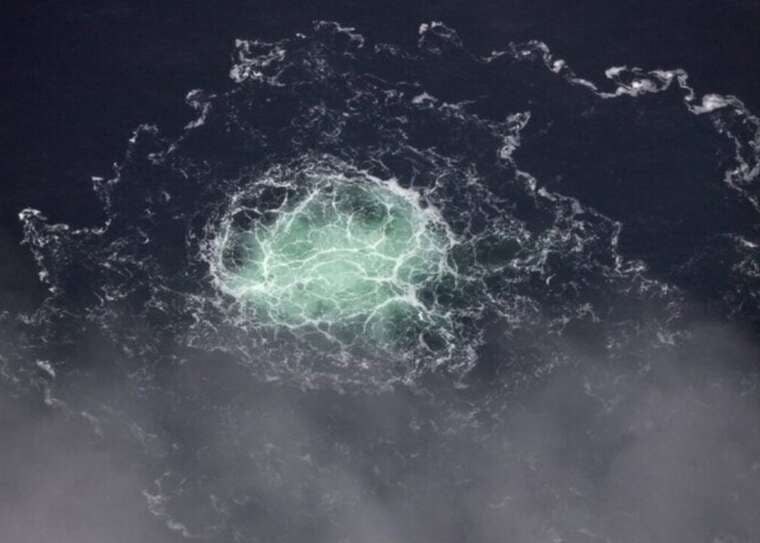
To avoid detection, the dives should have been conducted at night, according to the expert’s logic. According to the investigation, between 10 and 22 September 2022, at least six explosive devices were attached to the pipelines.
The specialist assessed the operation as "entirely feasible" (entirely feasible). He added that all necessary equipment, including spare cylinders, could have been acquired in a single purchase. Even if used gear was employed, the cost of the kit would have ranged from 60,000 to 90,000 euros.






Comments
No comments yet. Be the first!