Loss compensation strategy: phased recruitment
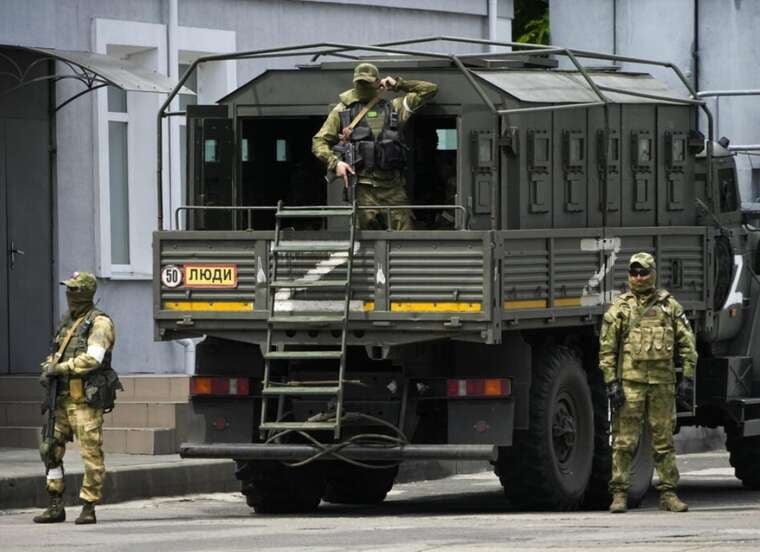
The Main Directorate of Intelligence of the Ministry of Defence of Ukraine has released data on the Russian authorities' plans to replenish the army. According to Ukrainian intelligence estimates, the Kremlin intends to recruit approximately 600,000 people for the war against Ukraine during 2026–2027. This process involves the phased mobilisation of roughly 300,000 individuals annually, with a significant portion being recruited through covert mechanisms.
Loss statistics and slowing recruitment
The basis for these decisions was the significant losses suffered by the Russian armed forces. From January to July 2026 alone, the Russian army lost approximately 240,000 servicemen, of whom at least 140,000 were killed or sustained fatal injuries. Losses peaked in September, reaching 46,230 individuals — a record monthly figure since the beginning of the year.
Meanwhile, traditional contract recruitment is slowing down. In the first quarter of 2026, only 71,216 new servicemen were recruited into the army, the lowest figure in the past three years. Even increased financial incentives have failed to restore previous recruitment rates.
Financial instruments and their ineffectiveness
According to GUR data, compared to 2025, average regional payments for signing a contract have increased by 25%, amounting to $16,000–$18,500. Convicted individuals who agree to serve are offered a one-time payment of approximately $12,500. However, the number of potential candidates among debtors, prisoners, and migrants in the regions has decreased by 30–40%.
The student recruitment campaign also proved unsuccessful: Russian military managed to fulfil only a quarter of the planned youth recruitment quota.
Covert mobilisation mechanism
To replenish the army, the Russian authorities are actively using the electronic military registration registry and electronic summonses. According to GUR estimates, these tools allow mobilisation to be conducted without a broad public announcement. The primary targets for recruiters remain individuals with loans, debts, and arrears on alimony payments, as well as convicts, students, university applicants, and stateless persons.
In some regions, including Leningrad Oblast, debt forgiveness of up to 10 million rubles is promised for signing a contract, although such an option is only available under certain conditions.
Oleksiy Melnyk, co-director of the international security programme at the Razumkov Centre, noted that Russians may be coerced into service through the threat of criminal prosecution. In his words, individuals are faced with a choice: receive a prison sentence or sign a contract with the Russian Ministry of Defence.
In certain regions, recruiters are paid for each soldier recruited. For example, in Nizhny Tagil, the reward is 400,000 rubles, which is approximately $4,500.
Recruitment of foreigners and the frontline situation
GUR reports increased activity in recruiting citizens of other countries into the war. These include individuals from Uzbekistan, Belarus, Tajikistan, Kazakhstan, Armenia, Azerbaijan, and Kyrgyzstan. In 2026, the number of applications from Burundi, Bangladesh, Zimbabwe, Colombia, Yemen, Sierra Leone, Congo, and Mali has increased. Recruitment is also expanding in Mexico, Indonesia, and the Philippines.
Separately, President Volodymyr Zelensky reported at the end of September that more than 8,000 North Korean military personnel are currently in Russia, with another approximately 10,000 individuals being selected for training and subsequent transfer.
The 1st Corps of the National Guard "Azov" reported that in early October, the number of killed Russian military personnel on the Dobropillia direction was almost 58% higher than in August. According to military personnel, the enemy is constantly transferring additional forces to this direction, particularly from less active sections of the front.
At the same time, the training of Russian recruits remains low: in some cases, they are trained for only three days before being sent on assaults. Meanwhile, Ukrainian military have not yet seen clear signs that the increase in the number of Russian units is directly linked to the new mobilisation campaign. According to expert estimates, the consequences of covert recruitment may manifest on the front later.


Comments
No comments yet. Be the first!