
Death sentence for three attackers at church in Jordan where nine people were killed
A Jordanian court sentenced brothers and their relative to death for an armed attack on a Greek Orthodox church that took place during a funeral.
A Jordanian court sentenced brothers and their relative to death for an armed attack on a Greek Orthodox church that took place during a funeral.

Member of the British royal family visited a sporting event in Lviv and supported Ukrainian soldiers.
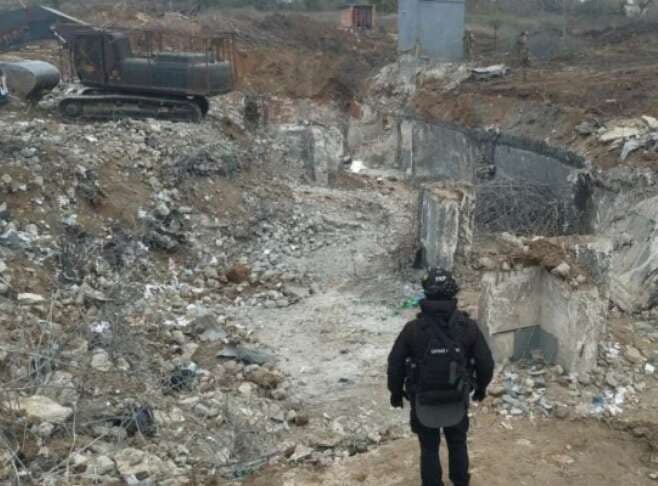
The ministry stressed that Moscow remains a party to international treaties obliging it not to attack civilians and protected objects.
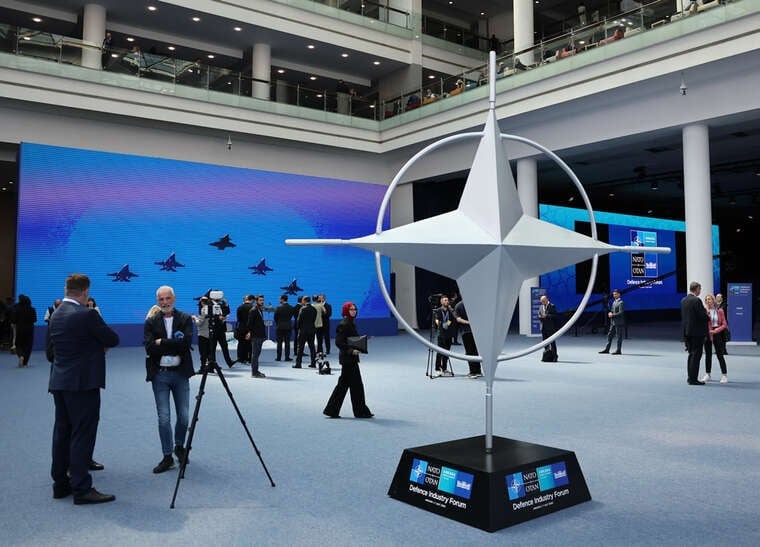
Due to disagreements over defence budgets and foreign policy challenges, NATO is cancelling the summit in Albania scheduled for 2027.
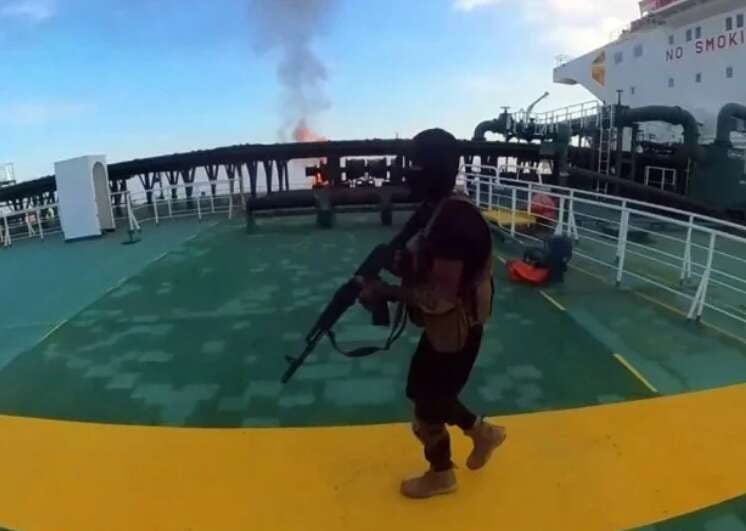
The Southern Armed Forces announced the regrouping of fighters in the As-Sukya area to strengthen the defence of the capital and adjacent provinces.
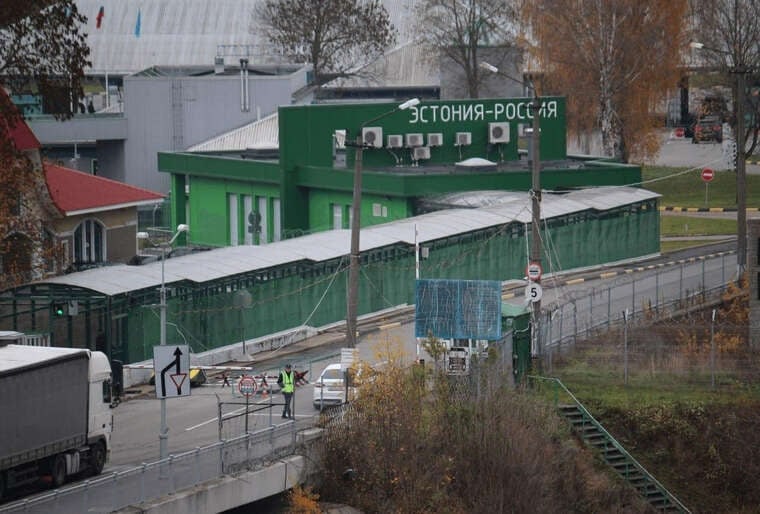
Tallinn is moving towards a complete halt to border crossings with Russia following a sabotage attack on a drone manufacturer, which Estonia believes may have been carried out by the GRU.

Unexpected power cuts stopped pumps on the Dnipro – Western Donbas canal, causing water supply interruptions in certain districts of the region.

For the fifth day in a row, Ukrainian military personnel have encountered speed restrictions on Starshield terminals. SpaceX has labelled this a technical issue, while President Volodymyr Zelensky stated that Ukraine does not believe the glitch was accidental.
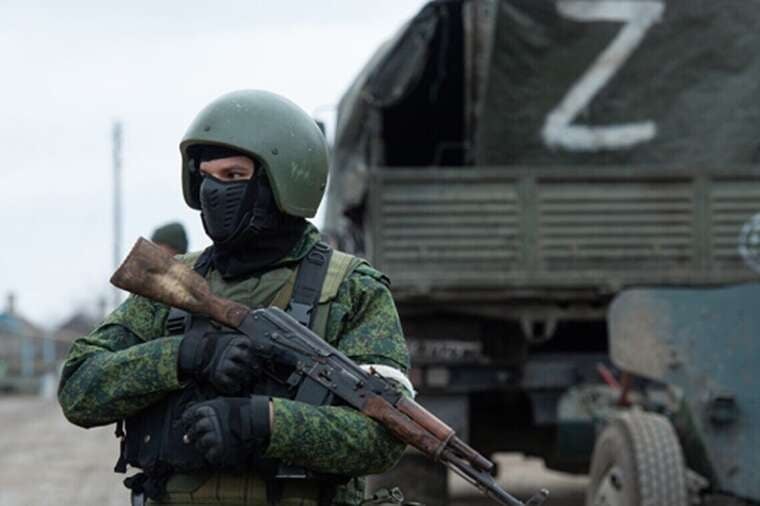
The Russian army has intensified pressure on the positions of the Armed Forces of Ukraine in Donetsk Oblast, relying on mechanised assaults. According to assessments by the Institute for the Study of War (ISW), the enemy's main efforts are concentrated around the cities of Dobropillia and Kostiantynivka.
On 13 November, an attempt by Russian troops to launch a mechanised offensive towards the village of Khruske, located north-east of Dobropillia, was recorded. A Ukrainian military source and an OSINT channel reported that the enemy deployed three tanks, three infantry fighting vehicles, and more than ten light vehicles for this purpose.
Ukrainian Armed Forces managed to repel this attack. On 14 November, the commander of a Ukrainian regiment fighting on the Dobropillia axis stated that during the repulsion of the enemy, seven vehicles and three all-terrain vehicles were destroyed. According to him, approximately 30 Russian servicemen were wounded or killed. Presumably, these figures relate specifically to the assault in the direction of Khruske.
Another mechanised offensive by Russian troops was detected on the Druzhkivka axis. Geolocated footage from 11 November shows the occupiers using several infantry fighting vehicles and light transport. Additionally, on 13 November, a Ukrainian source reported the deployment of Russian heavy equipment directly in the direction of Dobropillia.
It is worth noting that Ukrainian military personnel had warned about the enemy's preparation for such attacks since mid-September. Among those who signalled the threat was the commander of the 1st Corps of the National Guard of Ukraine, "Azov", Brigadier General Denys Prokopenko.
ISW analysts point out that Russian troops are attempting to take advantage of autumn weather conditions to advance. Fog, strong winds, and rain reduce the effectiveness of Ukrainian reconnaissance and strike drones.
This gives the occupiers the opportunity to move equipment closer to the front line, deploy infantry, or attempt to break through the defence. Meanwhile, Ukrainian forces continue to destroy Russian equipment before it reaches the forward positions.
Geolocated footage of the mechanised offensive in the direction of Druzhkivka on 11 November shows destroyed Russian infantry fighting vehicles near Nova Poltavka. This settlement is located south-west of Kostiantynivka, approximately 10 kilometres deep in the Russian rear.
According to analysts' estimates, the ability of Ukrainian forces to strike equipment at such a distance from the front line indicates the depth of the strike zone in this sector. ISW also suggests that Russian troops could have used a temporary cessation of fire on the broader Kostiantynivka axis to safely transfer heavy equipment closer to the front line and avoid strikes by Ukrainian drones.
Data from the General Staff of the Armed Forces of Ukraine also indicates that these two axes are priorities for the Russian command. According to Ukrainian command information, on 13 and 14 November, Russian troops carried out 47 attacks on the Pokrovsk axis, which includes the Dobropillia sector. This is the highest number of assaults there since the beginning of November.
During the same period, another 11 Russian attacks were recorded on the Kostiantynivka axis. In total, since the beginning of October, approximately 80% of all Russian offensive actions against the Ukrainian "fortress belt" have been concentrated on the Dobropillia and Kostiantynivka axes.
In the opinion of ISW analysts, this confirms that this section of the front holds particular significance for the Russian military command.
Comments
No comments yet. Be the first!