
DTEK refutes false claims about coal purchases from Russia
The corporation denies online narratives regarding the supply of Russian coal at the beginning of the full-scale war.
The corporation denies online narratives regarding the supply of Russian coal at the beginning of the full-scale war.
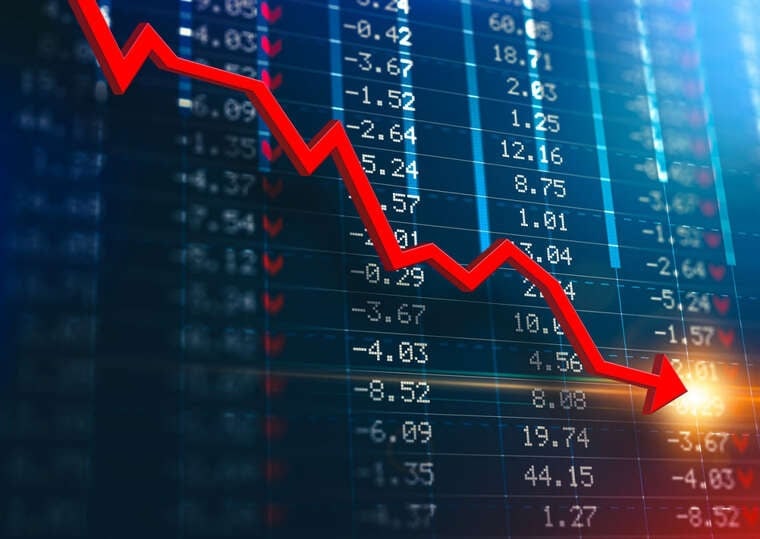
Bloomberg reports the longest period of falling valuations on global markets since 2023. The cause is cited as investor concerns related to artificial intelligence.
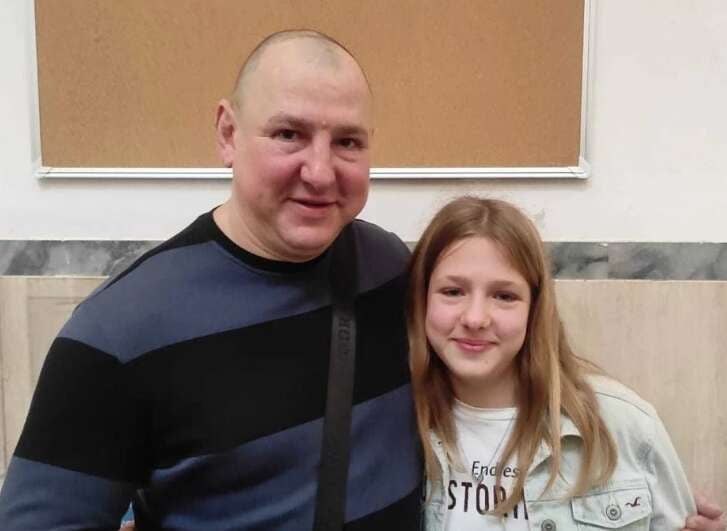
An Italian court ruled on the immediate reunification of the family, allowing the child to return to her father despite martial law.
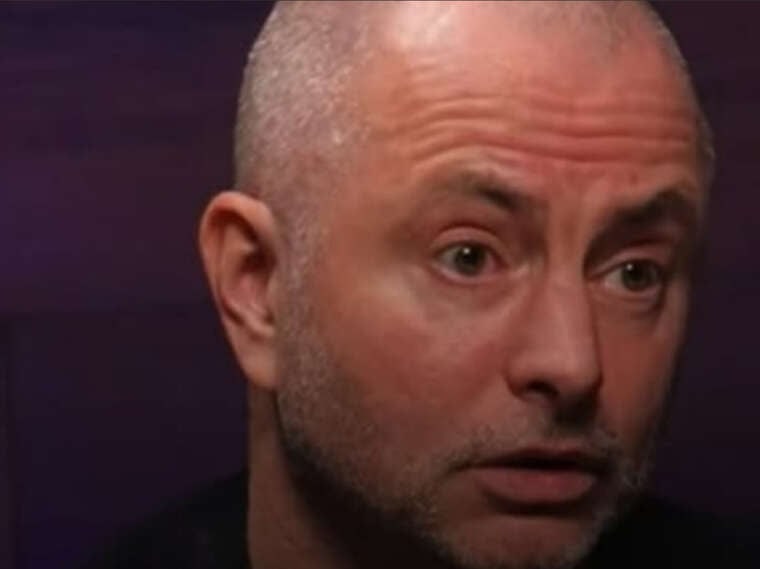
Head of the Desnianska District State Administration of Kyiv, Maxim Bakhtmatov, addressed men evading mobilisation, offering them janitor vacancies. Employees will receive protection from conscription and a monthly salary of 20,000 to 25,000 hryvnia.
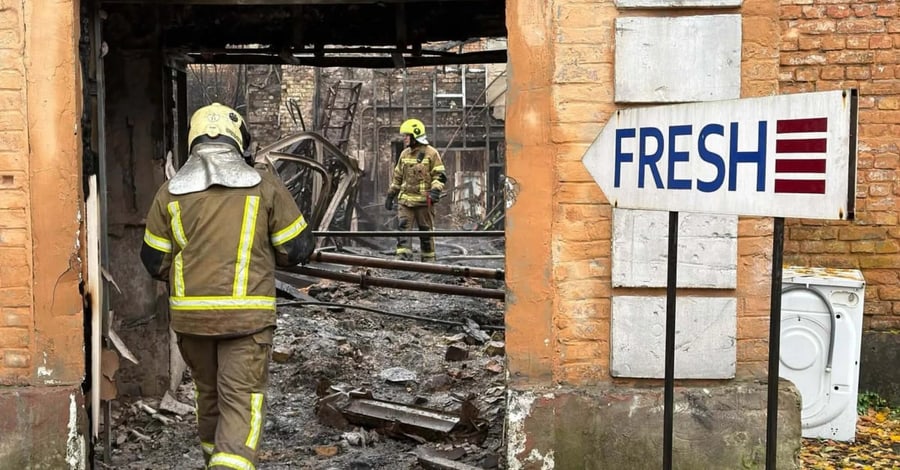
The overnight shelling of the capital led to the complete burning of the filming studio, where dozens of well-known Ukrainian films and series were produced over a quarter of a century.
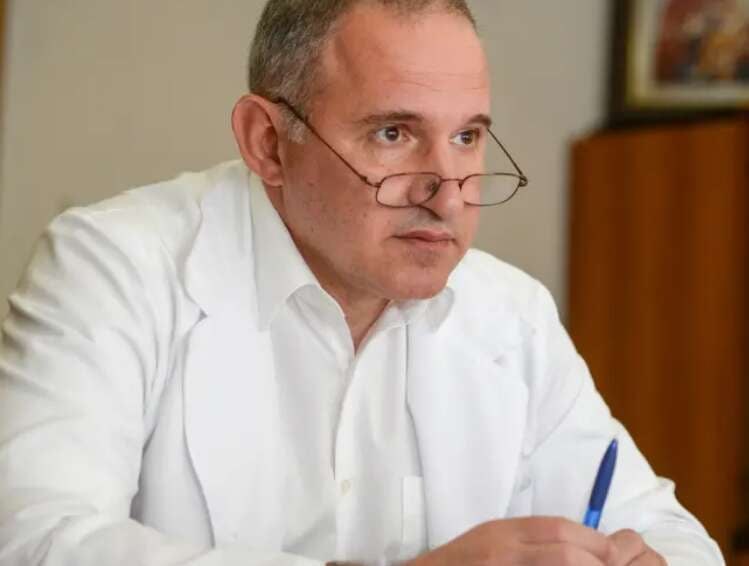
The electronic declaration of the director of the Heart Institute reveals the purchase of parking spaces and apartments, as well as the receipt of an unfinished house as a gift.
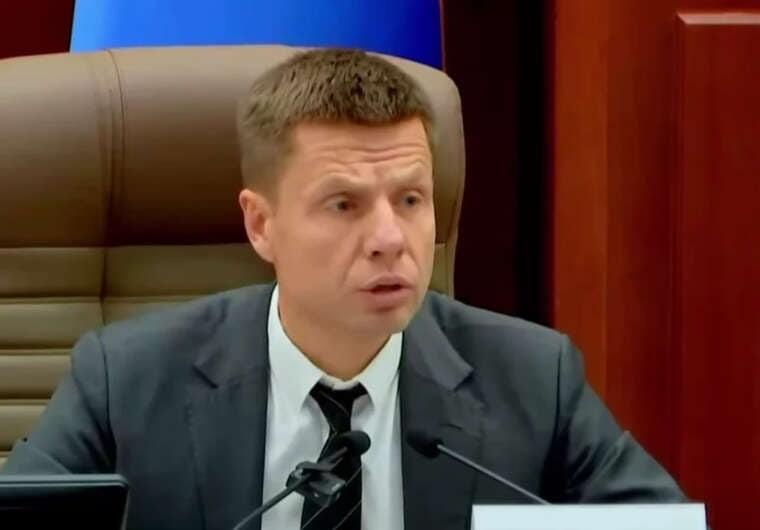
Oleksiy Honcharenko stated that the heads of anti-corruption bodies must answer the accusations raised during the commission's previous meeting.
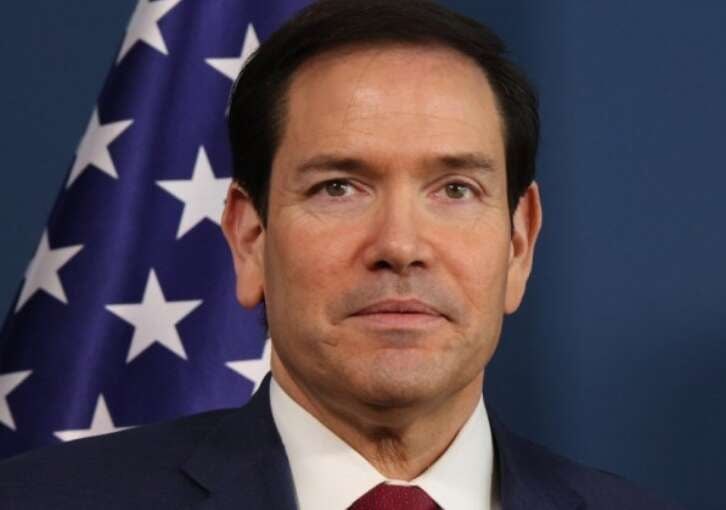
The head of the US State Department emphasised the importance of personal negotiations between the leaders of the three countries in setting the tone for interaction between state apparatuses.
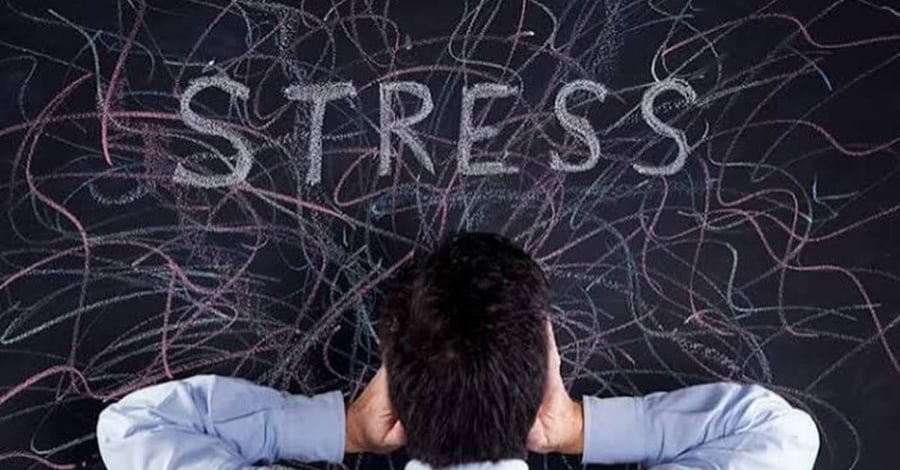
Modern living conditions, combined with the military conflict, create a constant psychological load for Ukrainians. Sources of stress include not only the news feed but also everyday factors: work deadlines, interpersonal conflicts, and a lack of quality rest. Cardiologist and medical consultant at Heartbeat Mobile Labs (Switzerland), Oksandra Teleguzova, notes that prolonged tension negatively affects sleep quality, the ability to concentrate, and overall emotional state.
Stress itself is a natural protective mechanism that mobilises the body's resources in the face of a threat, accelerating the heartbeat and increasing alertness. However, the problem arises when this state becomes permanent and there is insufficient time for recovery. Then, the body continues to react to stimuli even when there is no immediate danger.
According to the specialist's explanations, the key signs of accumulated stress include:
A person may notice that performing routine tasks becomes increasingly difficult, and calm conversations with loved ones turn into a trial.
To understand what exactly is provoking stress, Oksandra Teleguzova recommends keeping a diary for three working days. It is worth recording situations that cause acute tension and describing the body's reaction. This will help identify recurring triggers: an excessive number of meetings, interruptions to the work process, unclear tasks, or uncertainty about deadlines.
When familiar symptoms of tension appear, it is recommended to take a short break. A breathing practice is effective: inhale for four seconds and exhale for six seconds (if this rhythm is comfortable). It is also worth sitting comfortably, placing feet on the floor, and relaxing the shoulders. Alternative methods include stepping away from the screen, taking a walk, or focusing on one specific task instead of trying to solve all problems at once.
The cardiologist emphasises that the level of stress depends not only on personal habits but also on external conditions. An unpredictable schedule, excessive workload, lack of support, and the inability to influence decisions intensify exhaustion. If the volume of work systematically exceeds an employee's capabilities, it is necessary to discuss priorities with management. If meetings leave no time for core duties, it is worth proposing the allocation of time blocks for focused work.
It is important to establish communication boundaries, for example, not responding to non-urgent messages during a family dinner or before bed.
Fatigue after an intensive week is not always a sign of professional burnout. However, constant exhaustion, emotional detachment from work, and a feeling of reduced effectiveness may indicate this state. If such symptoms interfere with daily life or relationships, it is worth consulting a specialist.
Oksandra Teleguzova warns against the habit of attributing all physical sensations exclusively to stress. Rapid heartbeat, shortness of breath, severe fatigue, and chest discomfort may have other medical causes. New or intense chest pain, especially when combined with shortness of breath or loss of consciousness, requires immediate medical attention.
To support recovery, the doctor recommends ensuring full sleep, taking regular breaks, walking in the fresh air, and allocating time for communication with loved ones without work messages. The main principle of stress management is not learning to withstand ever-increasing loads, but the ability to notice its consequences in time and change the circumstances that systematically exhaust the body.
Comments
No comments yet. Be the first!