
Warsaw police detain two Ukrainians who defrauded women of over 55,000 zloty
Two 20-year-old Ukrainian citizens posed as bank employees and defrauded victims of significant sums. They face up to eight years in prison.
Two 20-year-old Ukrainian citizens posed as bank employees and defrauded victims of significant sums. They face up to eight years in prison.

Ukrainian forces attacked the Kamensky complex, which produces fuel for Russian multiple launch rocket systems, and four depots of material and technical resources in occupied territories.

The Higher Anti-Corruption Court upheld the verdict against Oleksiy Panasenko for instigating the promise of an improper benefit to a prosecutor.

Regulator carried out largest currency interventions in history to stabilise the exchange rate. Rising budget spending and falling export revenues cited as causes.
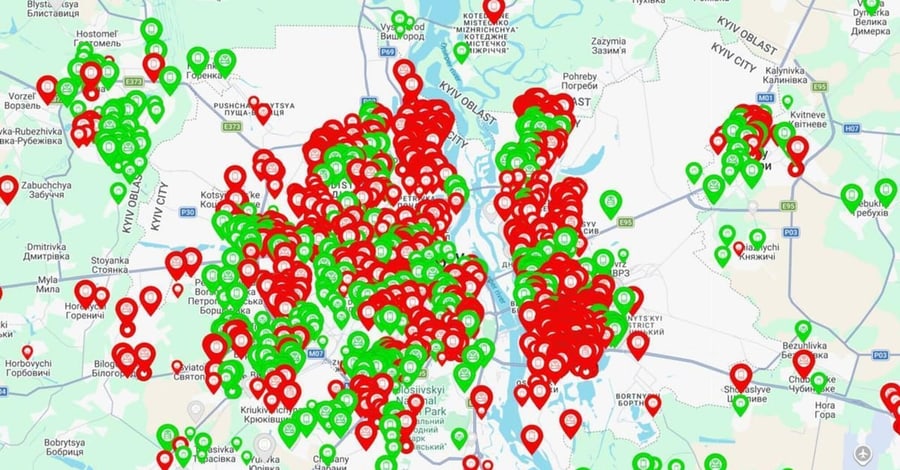
Due to the aftermath of attacks on energy infrastructure, Kyiv residents remain without power for up to 16 hours a day. Podilskyi and Darnytskyi districts suffered the most.

Polish counterintelligence ABW linked a series of sabotage acts against Starlink terminals in Poland, Bulgaria and Lithuania to Russian intelligence and a Turkish group.
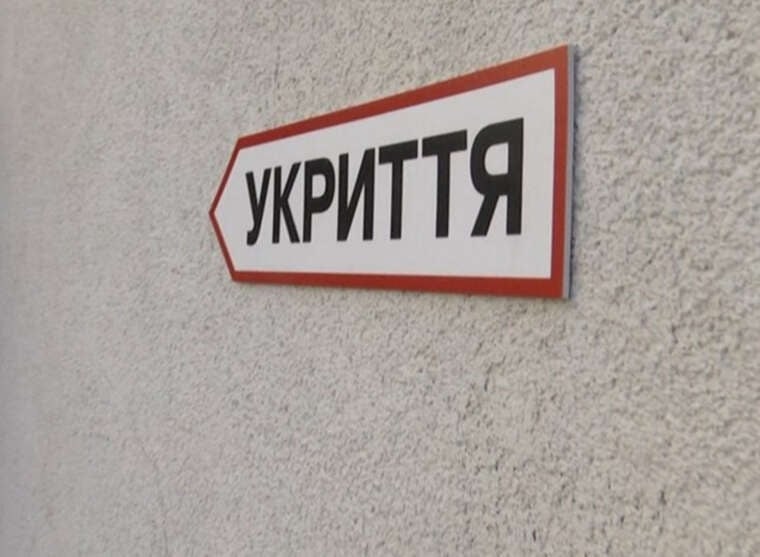
Olha Kovaliava-Alokili stated that most entrepreneurs in the region lack safe premises due to a shortage of resources and clear assessment criteria.

Due to the aftermath of yesterday's shelling of the heat and power plant and damage from earlier attacks, strict power outage schedules have been implemented in Kyiv.

The DeHealth crypto project, which in 2021–2022 was presented as a revolutionary platform for digital health, remains at the centre of investor claims. At launch, the project promised to create its own metaverse, attract millions of doctors and patients, and provide an opportunity to earn from medical data. However, the platform's main token, DHLT, suffered a catastrophic drop in value, ending up on the verge of a zero price.
It is worth noting that information about this project, the financial losses of participants, and the role of co-founder Hanna Bondarenko periodically disappears from search engine results.
The co-founder of the British non-profit organisation DeHealth is Hanna Bondarenko (listed as Bondarska or Bon in some sources), originally from Kropyvnytskyi. Her official biography describes her as an IT entrepreneur and professional violinist. Together with Denis Tsvayg (Tsvayg / Tsvayhov), she initiated the creation of the project and headed the so-called "international" eHealth consortium. Hanna Bondarenko is also associated with the designer clothing brand Palson Kifot.
In December 2021, Bondarenko announced plans to launch a decentralised metaverse starting in 2022. The concept envisioned millions of medical professionals and patients gaining the ability to conduct consultations in 3D format and monetise their medical data. The DHLT token was to become the primary payment instrument, and the project's target audience was estimated at three million users.
The initial public offering of DHLT tokens took place on 23 February 2022 on the PancakeSwap platform. According to data, the token was sold out in less than two hours. Later, the asset appeared on the BitMart exchange.
After the successful sale, the situation changed dramatically. According to one foreign investor, the founders initially claimed that the market maker had "dumped" liquidity, allegedly stealing funds, and that lawyers and cyber police were handling the matter. Later, the version changed: Hanna Bondarenko began explaining that the price had simply fallen and that "there is nothing that can be done about it." The investor suspected that the story about the theft was a way to calm participants to avoid a mass exit from the project.
Statistics confirm the scale of the losses. In mid-September 2022, one DHLT token cost approximately 1.2 UAH. By 15 September 2023, its value had dropped to 0.02 UAH, representing a 98.1% decline. Daily trading volume on the exchange decreased from hundreds of thousands of dollars to a few tens of thousands. Financial analyst Andriy Shevchyshyn noted at the time that the asset's capitalisation was "not zero, but close to it."
Current data from 2026 records the value of DHLT at approximately $0.00055 (equivalent to two kopecks). The total capitalisation of the one billion issued tokens is estimated at only hundreds of thousands of dollars. Since the project did not back the token with its own funds, asset holders risked losing everything. Some publications also link DeHealth to the collection of users' personal and medical data in exchange for a token that had virtually no value.
One investor reported an intention to contact law enforcement agencies with a statement requesting the opening of a criminal case for theft and fraud. According to him, the founders responded that they "are working with the Ministry of Defence and do not have time for trivialities."
As of the end of October 2026, a number of publications state that materials about the DHLT crash, investor claims, and the role of Hanna Bondarenko and Denis Tsvayg regularly disappear from search results or become unavailable. The authors of these publications emphasise that such cleansing of the information field does not return investors' funds and does not provide answers to questions regarding the token's liquidity and the implementation of the promised metaverse, which never appeared on the declared scale.
Thus, the DeHealth project, which positioned itself as a major medical crypto startup, left investors with significant losses, contradictory explanations from the founders, and unfulfilled promises. Questions regarding the fate of the raised funds and the project's further activities remain open.
Comments
No comments yet. Be the first!